
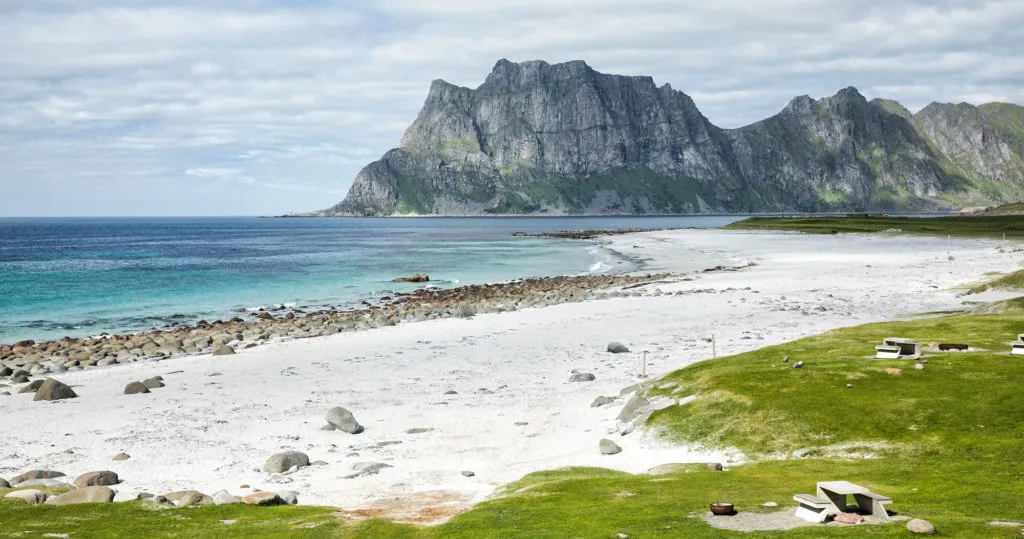
There are places that stop you in your tracks the moment you arrive. The Lofoten Islands are one of them. We pulled over constantly, not because we planned to, but because we couldn’t drive past another mountain plunging straight into the fjord, another stretch of white sand beach backed by jagged cliffs, or another cluster of red rorbuer perched out over impossibly blue water. We did it on the good days. We did it on the rainy day too.
The Lofoten Islands are one of the most visually overwhelming places in Europe. The hikes take you high into the mountains for sweeping views over the archipelago. The beaches look like they belong in the tropics, until you check the water temperature. The fishing villages feel frozen in time, wooden cabins still stacked out over the water just as they were a century ago. Every road connecting it all is a scenic drive in its own right.
We spent four days here in early July, and it wasn’t enough. One day was a complete weather washout, the kind of rain and low cloud that swallows the mountaintops and turns hiking into a bad idea. We didn’t mind. We drove anyway, stopped anyway, and still found plenty to love. That experience is a big part of why we recommend planning four to five days for your Lofoten Islands itinerary. Four days of activities, and one day held in reserve for weather, rest, or simply going back to the places you weren’t ready to leave.
In this guide, we share our recommended Lofoten Islands itinerary for four to five days, along with everything you need to plan your trip: how to get here, where to stay, when to go, and how much time you really need.

Lofoten Islands Itinerary: At a Glance
DESTINATIONS | Svolvaer → Henningsvaer → Leknes → Reine → Hamnøy → Å i Lofoten
START / END | Fly into Svolvaer (SVJ) · Fly home from Leknes (LKN), or reverse
BEST FOR | Road trippers, hikers, photographers, and outdoor enthusiasts
GETTING AROUND | Rental car
BEST TIME TO VISIT | Late May–early September
TRIP STYLE | Road trip with scenic drives, hikes, and fishing villages
TOTAL NIGHTS | Svolvaer area (2) · Reine or Hamnøy (2–3)
June 2026 Update: This post got a major update, with an expanded 5-day itinerary and expanded sections on how to get to and around the Lofoten Islands.
Where are the Lofoten Islands?
The Lofoten Islands are an archipelago located in northern Norway, roughly 200 kilometers (125 miles) north of the Arctic Circle. Despite sitting this far north, the islands are surprisingly accessible. They are connected to each other by bridges and tunnels, with the main chain stretching roughly 170 kilometers (106 miles) from the largest town of Svolvaer in the east down to the tiny village of Å i Lofoten in the southwest.
The landscape is dramatic in every direction: jagged mountain peaks rise almost directly from the sea, narrow strips of land separate fjords from the open ocean, and white sand beaches appear around corners where you’d least expect them.
This is a remote corner of Europe, but one that rewards the effort of getting here many times over.
For everything you need to know before visiting Norway, see our complete Norway Travel Guide.
How to Use This Map: Click the icons on the map to get more information about each point of interest. To take this map with you, click the star next to the title of the map which adds it to your Google account. Next, within your Google Maps app, select ‘Saved’ and then select ‘Maps’. This map title will now appear in your list.
Highlights of the Lofoten Islands
The Lofoten Islands are built for people who love the outdoors.
The hiking trails here are some of the most spectacular in Europe, climbing steeply to mountain summits with sweeping views over the fjords and archipelago below. The beaches are a genuine surprise, with long stretches of white sand and turquoise water that look Caribbean until you remember you’re inside the Arctic Circle.
Scenic drives connect it all, passing through fishing villages of red and yellow rorbuer, past drying cod racks, and along coastlines that make every kilometer feel worth it. Add in the possibility of the midnight sun in summer or the Northern Lights in autumn, and you have a destination that delivers in almost every season.
For a full breakdown of the best experiences in the Lofoten Islands, including our top picks for hikes, beaches, and villages, see our complete guide to the best things to do in the Lofoten Islands ↓
Best Things to Do in the Lofoten Islands: 16 Epic Experiences
Best things to do in the Lofoten Islands.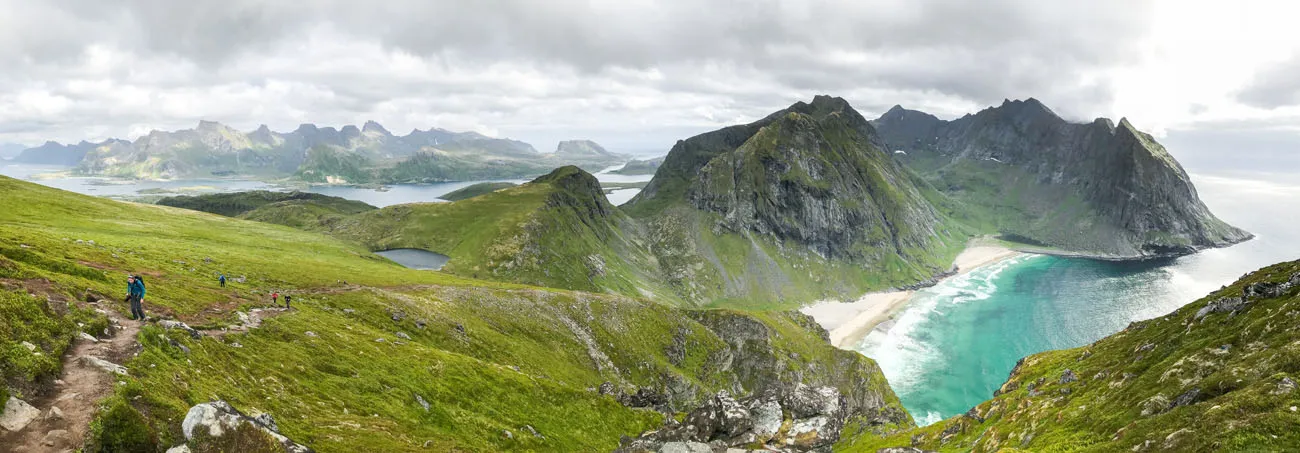
The view from Ryten
Why This Lofoten Islands Itinerary Works
The Lofoten Islands stretch roughly 170 kilometers from east to west, with Svolvaer at one end and Å i Lofoten at the other. This itinerary follows that natural geography, starting in Svolvaer in the east and working southwest toward Reine and Hamnøy over four days. It’s the most logical way to experience the islands, and it means you’re never backtracking unnecessarily.
The split stay is intentional. Spending your first nights in or near Svolvaer gives you easy access to the northeastern part of the islands: the town itself, Henningsvaer, and the hikes above Svolvaer. Moving your base to Reine or Hamnøy for the second half puts you within easy reach of the southern highlights: Nusfjord, Ramberg Beach, the Fredvang Bridges, Reinebringen, and the hike to Ryten and Kvalvika Beach. Trying to see all of this from a single base would mean a lot of unnecessary driving each day.
A Note on Timing: The four days in this itinerary are full activity days. Most visitors will need at least one additional day on either end for travel: flying in, picking up a rental car, and getting oriented takes time, and the same is true on departure day. Factor in a fifth day as a weather contingency (and trust us, you will likely need it, because we lost one full day to rain on our July trip), and a realistic Lofoten Islands trip runs closer to seven days total: two travel days, four activity days, and one buffer. If you can only spare five or six days, this itinerary still works, just know that your activity days may feel full.
Why four days and not more? Four focused days lets you see the best of the Lofoten Islands without rushing, and pairs naturally with time in another part of Norway. Many visitors combine Lofoten with a few days in Tromsø, a drive through Vesterålen and Senja, or time in the fjord region in the south. Our 10-day Northern Norway itinerary covers exactly this, starting in Tromsø and finishing with four days in the Lofoten Islands.
Prefer to include the southern fjords? This Norway itinerary combines the fjord region with time in the Lofoten Islands for a spectacular south-to-north journey.

How Many Days Do You Need in the Lofoten Islands?
We recommend four to five days. Four days gives you enough time to drive the full length of the islands, hike at least two or three trails, explore the fishing villages, and soak in the beaches without feeling rushed. The fifth day is your contingency, and on the Lofoten Islands, you will almost certainly need it. The weather here is famously unpredictable, even in summer.
Two days is the minimum worth considering, given the time and expense of getting here. With two days you can drive the length of the islands, do one hike, and visit a few towns, but you’ll leave with a long list of things you didn’t get to. Every additional day you add pays dividends.
One important note: The days in this itinerary are full activity days and do not include travel time to and from the Lofoten Islands. Getting here typically requires at least one full travel day (multiple flights or a combination of flights and ferry), and the same is true on departure. Plan your overall trip length accordingly.
About Our Experience: We spent four full days on the Lofoten Islands. One of those days was a total wash out, where rainy weather kept us indoors an entire day. The Lofoten Islands becomes a rather gloomy place with rainy weather, and clouds cover the mountaintops, making most hikes either impossible or just not worth the effort (plus, it is best to stay off of the trails in rainy, wet weather, to avoid damaging the trail for future hikers).
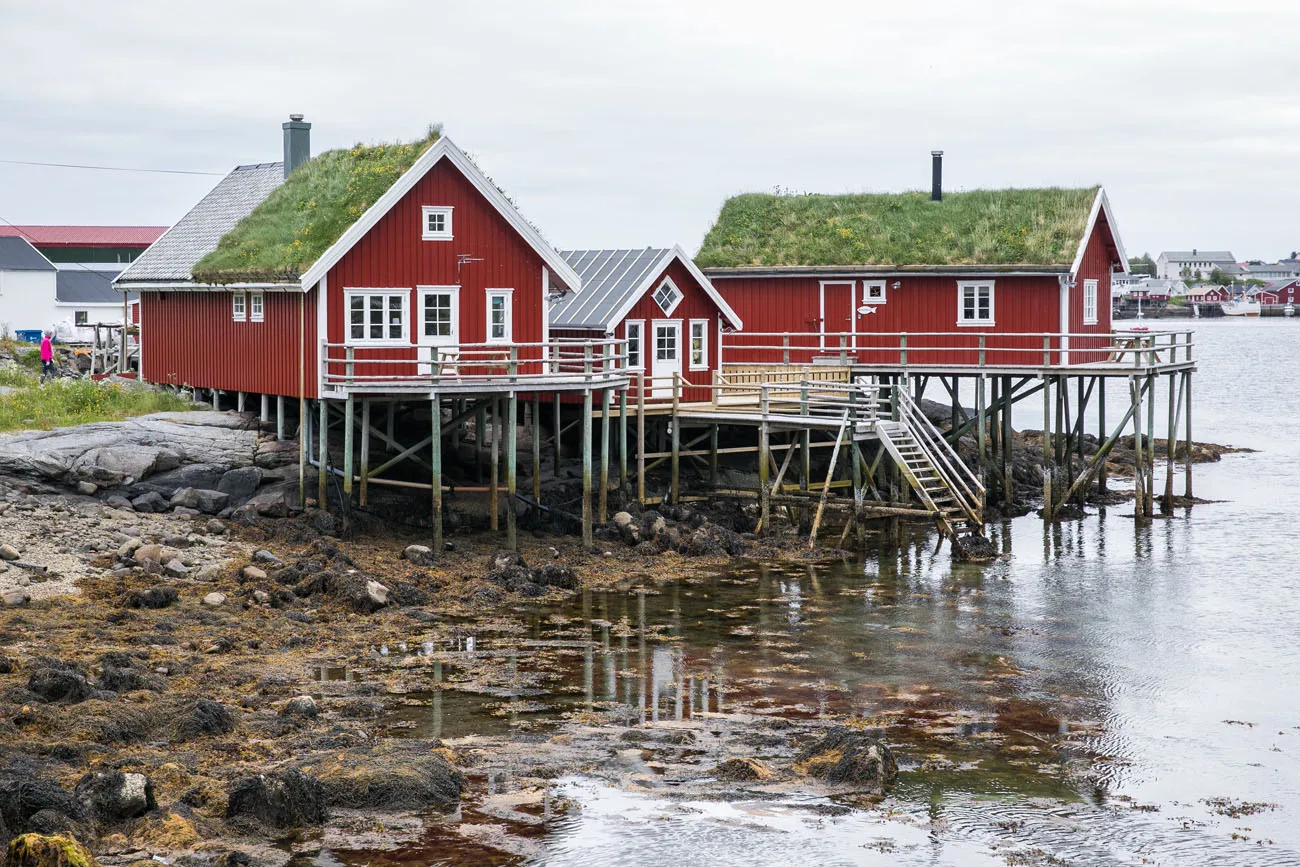
4 to 5 Day Lofoten Islands Itinerary
This itinerary is designed for four full days of activities in the Lofoten Islands, with a fifth day built in as a weather contingency.
It follows the natural geography of the islands, starting in Svolvaer and finishing near Reine, with a split stay that puts you in the right place at the right time each day. The days are full but not rushed, and every stop along the way is one we’ve done ourselves.
Day 1: Svolvaer and Kabelvåg
Your first day in the Lofoten Islands sets the tone for everything that follows. Svolvaer is the largest town in the archipelago and the natural starting point. It has the best transport connections, a charming harbor, and two of the best viewpoint hikes on the islands within easy reach.
Morning: Svolvaer
Start your morning in Svolvaer itself. The harbor is worth a slow wander, with fishing boats, colorful buildings, and the kind of mountain backdrop that makes you stop mid-coffee to stare. If you have an interest in World War II history, the Lofoten Krigsminne Museum (War Memorial Museum) is small but excellent, covering the German occupation of Norway and the Allied raids on Svolvaer. Plan for about an hour.
Afternoon: Svolvaer Fløya
In the afternoon, head up to Svolvaer Fløya. This is one of our favorite viewpoints in all of the Lofoten Islands. This is a moderately challenging hike that rewards you with a sweeping panorama over the town, the harbor, and the surrounding peaks and fjords. Even if you don’t consider yourself a hiker, this one is worth the effort.
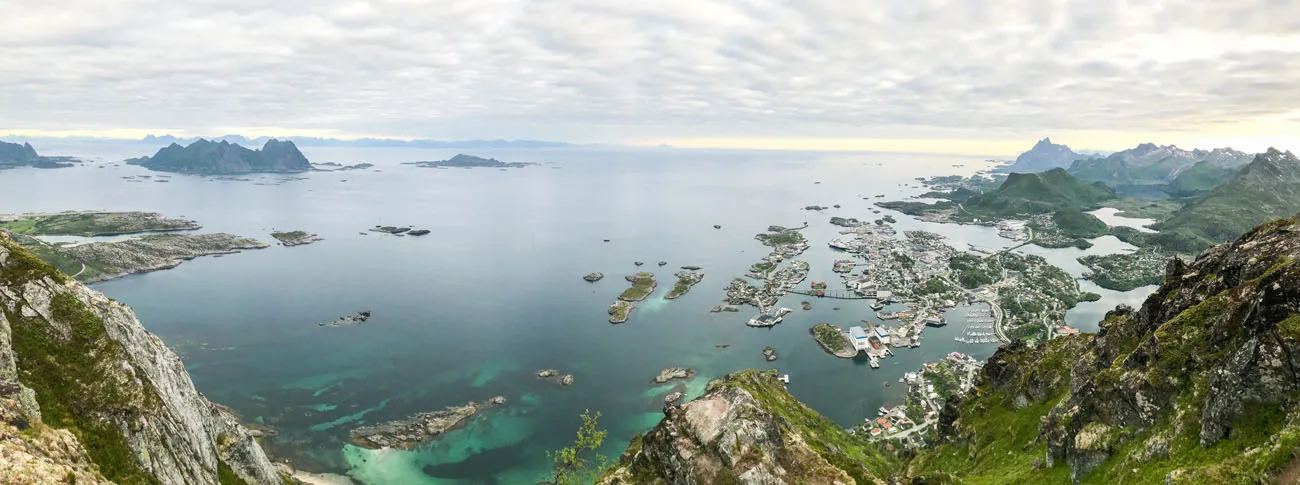
View over Svolvaer from Svolvaer Fløya
Thrill seekers: Svolvaer is also home to one of the most unique rock climbing spots in Norway: Svolvaergeita, or the Goat. This two-pronged rock pinnacle rises above town and draws both beginner and experienced rock climbers. We did it and the view is absolutely spectacular. It’s definitely worth adding onto your itinerary if you have a head for heights.
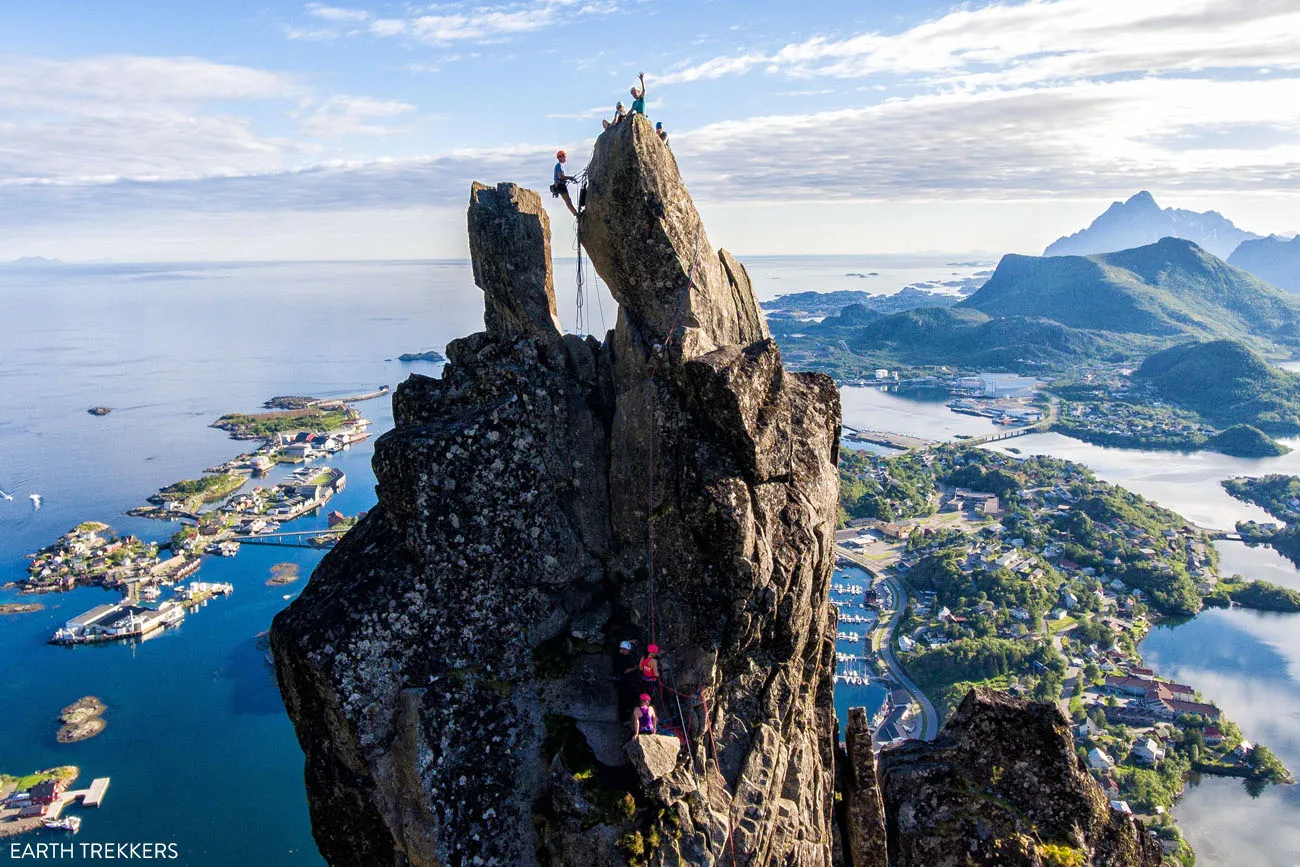
Me and Kara on top of Svolvaergeita
End your day in Svolvaer or Kabelvåg, a quieter village just a few minutes from Svolvaer with a beautiful small harbor. Both make an excellent base for your first night.
Where to sleep: Svolvaer or Kabelvåg. We stayed at Nyvågar Rorbuhotel (a classic rorbu experience right on the water) in Kabelvåg and loved it.
For more recommendations on where to stay, not only in Svolvaer but also in Reine and Hamnøy, take a look at our Where to Stay in the Lofoten Islands guide ↓
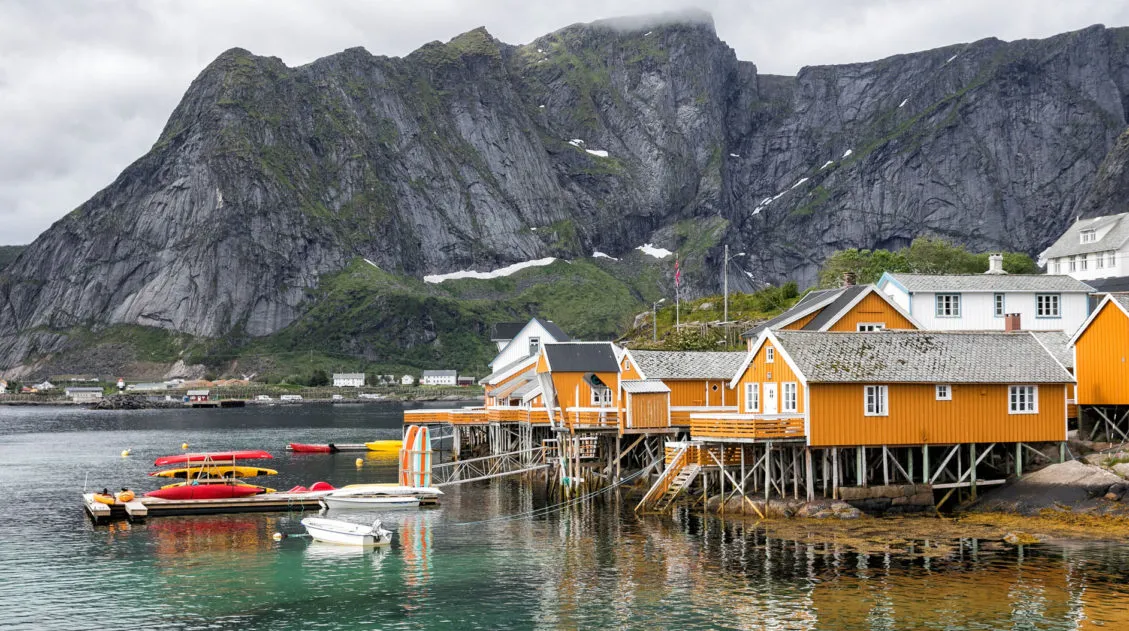
Where to Stay in the Lofoten Islands: Rorbuer, Hotels & More
Best places to stay in the Lofoten Islands, organized by location and property type.Day 2: Henningsvaer, Lofotr Viking Museum, and the Drive to Reine
Day 2 covers a lot of ground in the best possible way. You’ll start with a morning hike, spend midday in one of Lofoten’s most photogenic villages, and end the day in Reine after a scenic drive past some of the most beautiful beaches in Europe.
Morning: Go for a Short Hike
Start early with a hike near Henningsvaer. Festvågtind and Tjeldbergtind are both excellent options. They are less crowded than Fløya and offer spectacular views over the surrounding islands and fjords.
We hiked Festvågtind and didn’t have the greatest weather. Low lying clouds hid the summit, and the best views, but it is a gorgeous hike if you have clear skies. From the summit, you’ll get panoramic views over Henningsvaer and its tiny surrounding islands. Below is a Shutterstock photo, since we had such cloudy skies.
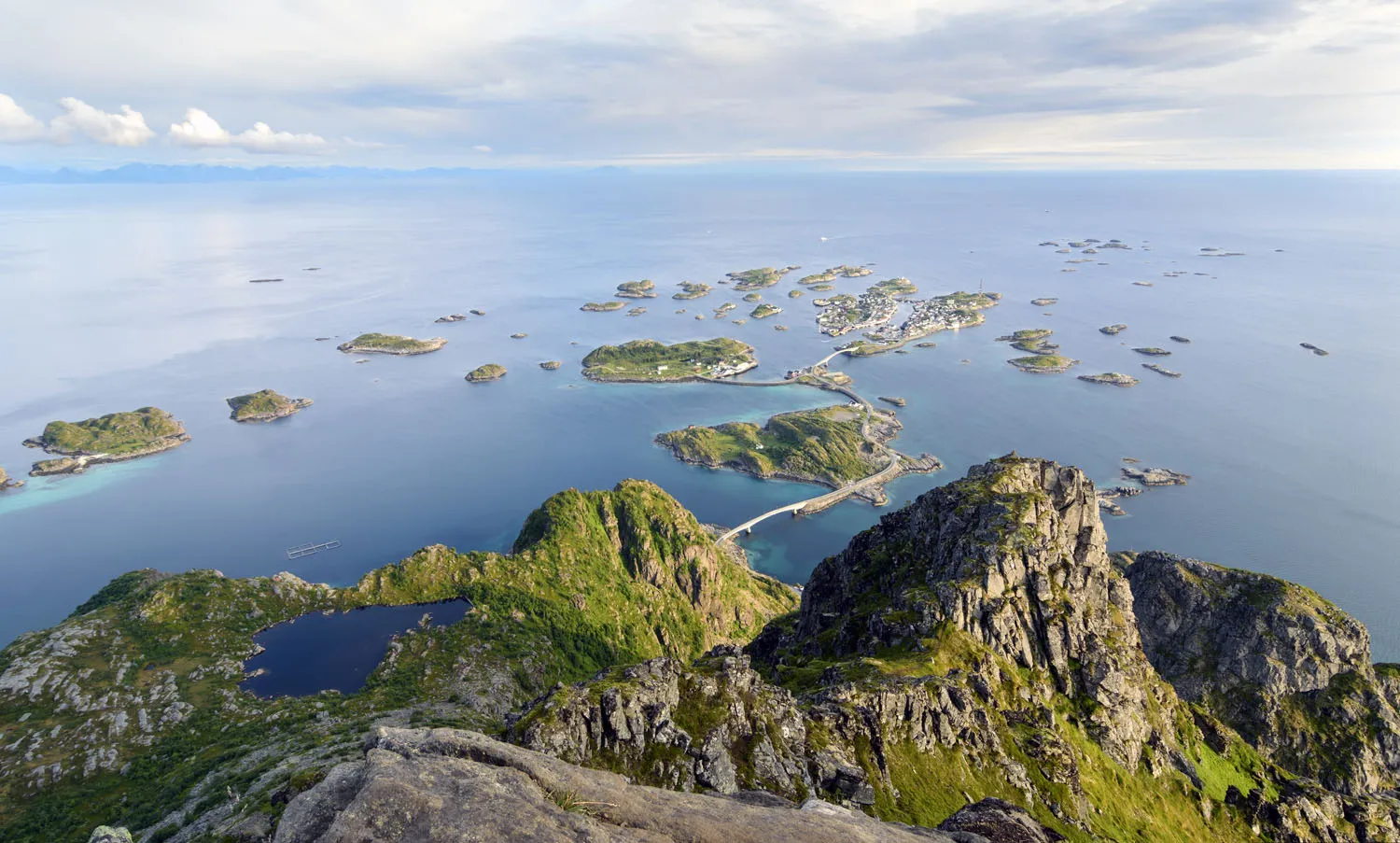
The view from Festvågtind
Midday: Lunch in Henningsvaer
From there, head to Henningsvaer. This tiny fishing village is one of the most visually distinctive places in the Lofoten Islands, a cluster of colorful buildings spread across a series of small islands connected by narrow bridges, with mountains rising dramatically on all sides. You may recognize it from photos of its famous football pitch, perched improbably on a sliver of land with open water on both sides.
Wander the streets, grab lunch at one of the cafes, and soak it in. We ate lunch at Fiskekrogen, dining on seafood stew and halibut burgers. Henningsvaer is small enough that a couple of hours is plenty.
Afternoon: Scenic Drive, Beaches & Optional Museum
After Henningsvaer, you have the option to stop at the Lofotr Viking Museum in Borg on your way south. This is the most visited cultural attraction in the Lofoten Islands, built around the site of the largest Viking longhouse ever discovered. It’s genuinely impressive and a good counterbalance to all the hiking and scenery if you’re traveling with people who appreciate history. Plan for one to two hours.
Then it’s on to the beaches. Haukland Beach and Uttakleiv Beach sit close together and are best visited as a pair. A road connects these two beaches, but you have the option to hike between them or hike up to Mannen for an amazing view over both beaches.
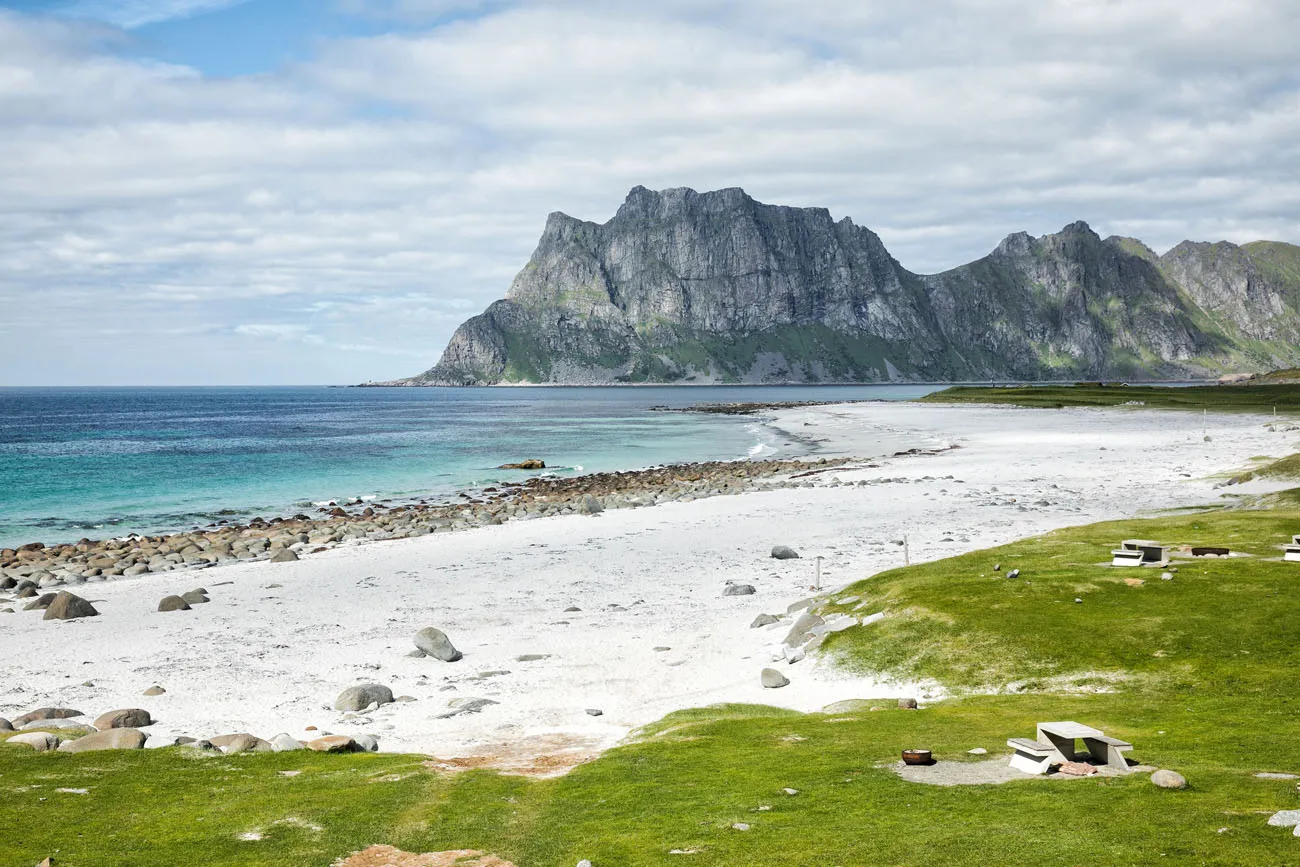
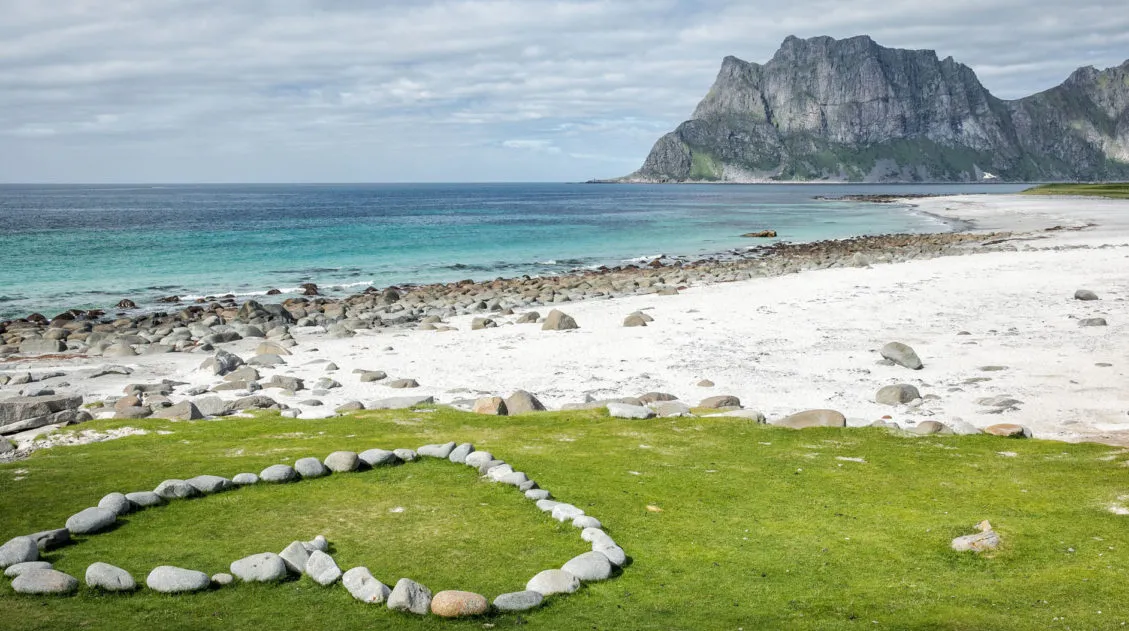
Uttakleiv Beach
Uttakleiv is our personal favorite in the Lofoten Islands: a sweeping arc of white sand framed by dramatic rocky headlands, with the kind of color in the water that doesn’t look real until you’re standing in front of it. Haukland is equally beautiful and tends to be slightly more sheltered.
Optional: Unstad Beach is a short detour off the main route and is famous as one of the northernmost surf spots in the world. If you’re a surfer or simply curious, it’s worth the side trip. If your day is already feeling full, skip it and save your energy for Reine.
End the day in Reine or Hamnøy, where you’ll be based for the next two to three nights.
Where to sleep: Reine or Hamnøy. These two villages sit just minutes apart and are among the most beautifully situated places to stay in all of Norway. We stayed at Reinefjorden Sjøhus in Hamnøy and loved it.
Day 3: Reinebringen, Reine, Hamnøy, and Å i Lofoten
Day 3 is anchored by one of the most rewarding hikes in the Lofoten Islands, followed by an afternoon exploring the villages at the southwestern end of the archipelago, including a drive all the way to the end of the road.
Morning: Reinebringen
Start early with the hike up Reinebringen. This is the signature hike of the Reine area and one of the most iconic viewpoints in all of Norway.
This hike features a steep climb that tops out above the village with a jaw-dropping panorama over the fjord, the surrounding peaks, and the patchwork of islands stretching out below. The trail is challenging and the ascent is relentless, but the views at the top are among the best we’ve experienced anywhere in Europe. Go early to beat the crowds and give yourself plenty of time.
Here’s how to do it ↓
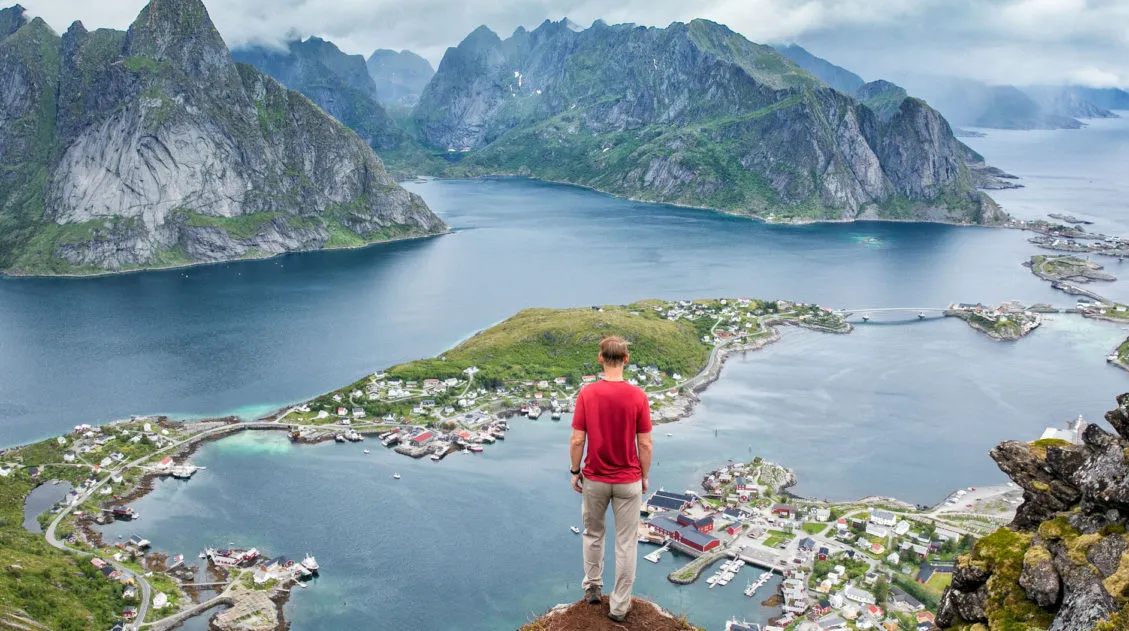
How to Hike Reinebringen (+ Where to Park)
Everything you need to know to hike Reinebringen.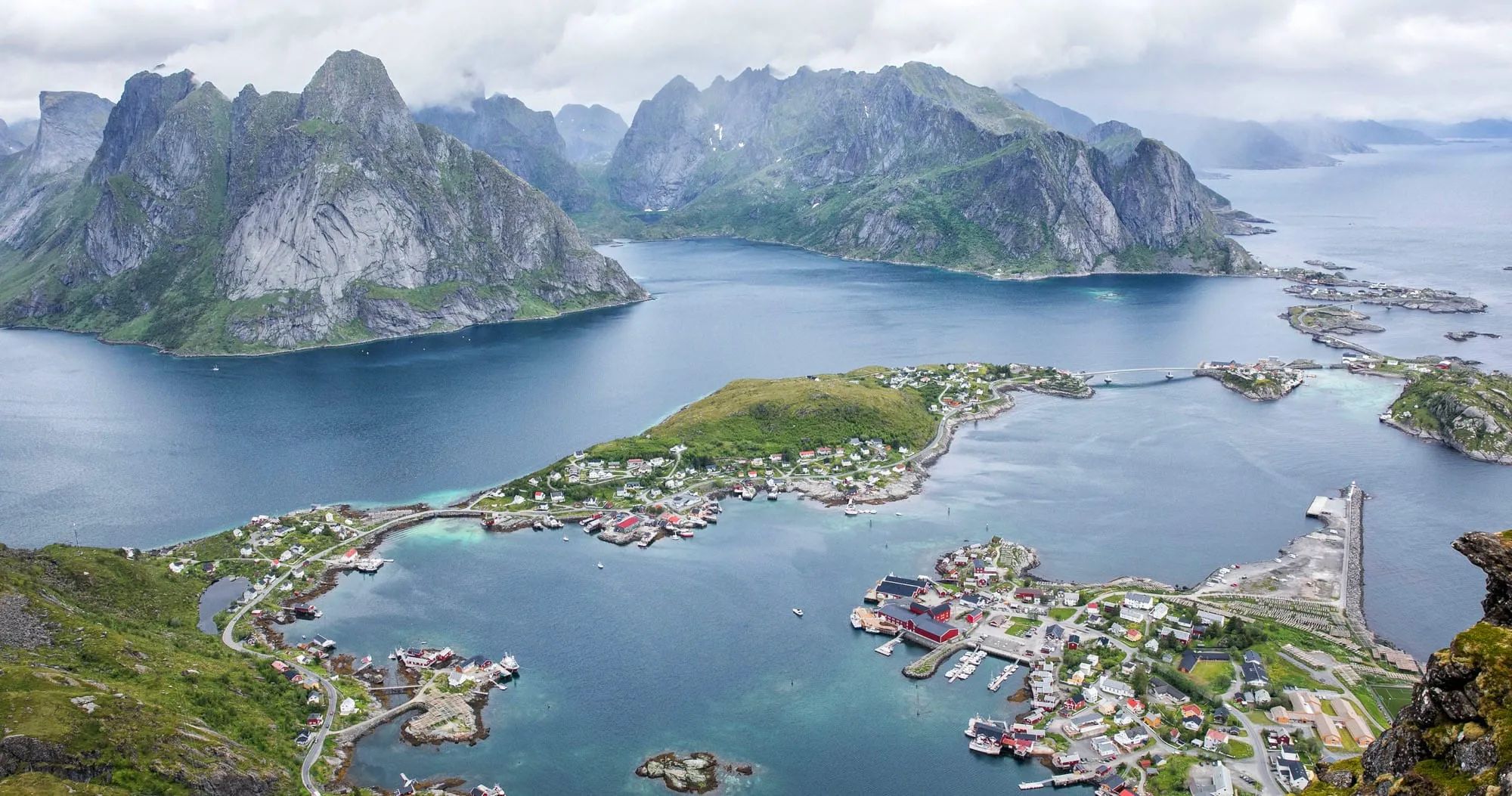
The view from Reinebringen
Alternative: If Reinebringen feels too strenuous, Munken is a less demanding option in the same area with similarly beautiful views. It’s a good pick if you have mixed fitness levels in your group.
Midday: Reine and Hamnøy
After your hike, spend time in Reine itself. This is one of the most photographed villages in Norway for good reason, with red rorbuer reflected in still water, mountains on every side, boats in the harbor. Walk around, have lunch, and let the setting sink in.
From Reine, it’s a short drive to Hamnøy. Don’t skip this. The view from the bridge at Hamnøy, with red fishing cabins in the foreground, jagged peaks rising straight from the water behind them, is one of the iconic images of the Lofoten Islands. It’s a small village but an essential stop, and one you’ll want to linger at longer than you expect.
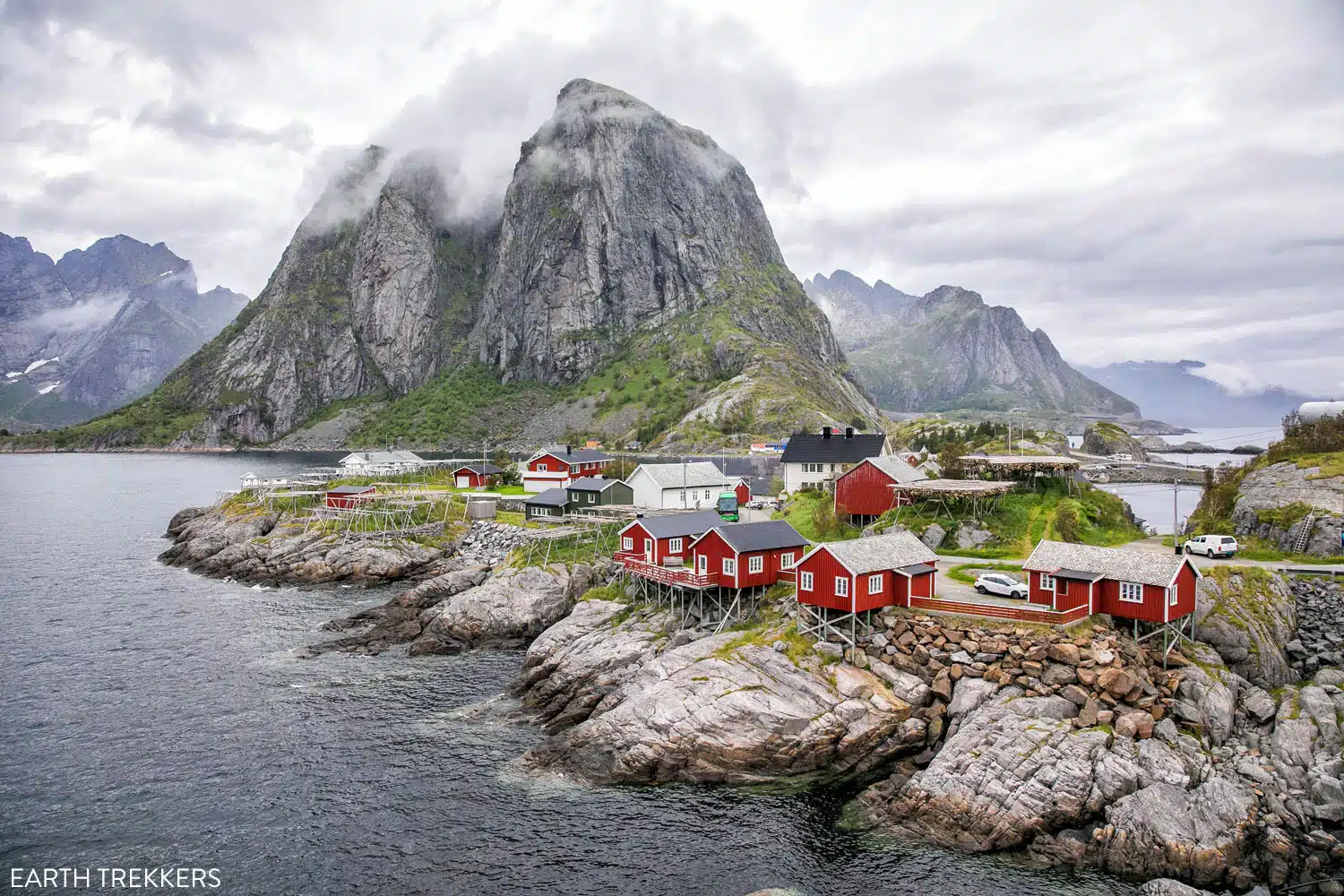
We visited this viewpoint several times, and it never gets old. The changing weather and lighting conditions always made it look a little bit different.
This is the exact photo spot on Google Maps. It’s a small bridge between two islands. There are small parking lots at either end of the bridge.
Afternoon: Å i Lofoten
In the afternoon, continue southwest to Å i Lofoten, the tiny village at the very end of the road. Å is pretty and worth the drive. There’s a Norwegian Fishing Village Museum here and the setting is lovely. Part of the appeal is simply driving to the end of the archipelago just to say you did it. It’s a satisfying full stop to the southwestern end of your Lofoten journey.
End your evening back in Reine or Hamnøy, where the light on the water in the late evening is something you won’t forget.
Where to sleep: Reine or Hamnøy.
Day 4: Fredvang Bridges, Ryten and Kvalvika Beach, Ramberg Beach, and Nusfjord
Your final full day takes you through some of the most dramatic scenery in the Lofoten Islands: a stunning coastal drive, one of the best hikes on the archipelago, a beautiful beach, and a UNESCO-listed fishing village to close it out.
Morning: Fredvang Bridges and Ryten
Drive north toward the Ryten trailhead, crossing the Fredvang Bridges on the way. Two narrow causeways connecting a string of small islands with mountains rising sharply on either side and open ocean stretching out in every direction. If you want to stop for photos, there are parking areas just before the bridges.
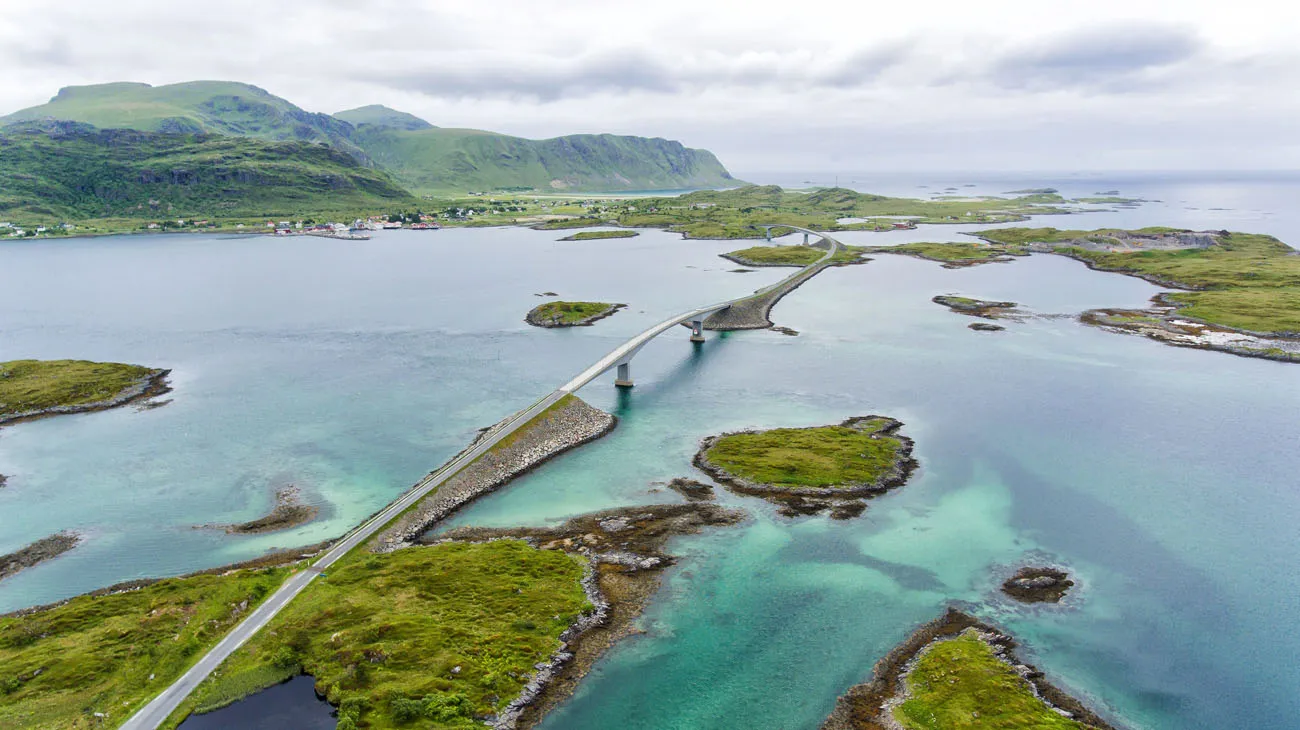
Fredvang Bridges
From there, head to the trailhead for the hike to Ryten and Kvalvika Beach. This is one of our favorite hikes in the Lofoten Islands, a moderately challenging trail that climbs to the summit of Ryten (543 meters). The views over Kvalvika Beach are stunning. The beach sits in a perfect arc below the mountain, completely inaccessible by road and framed by towering cliffs on three sides. Plus, there is a mini-Trolltunga here, an outcropping of rock, that makes an unique photo spot.
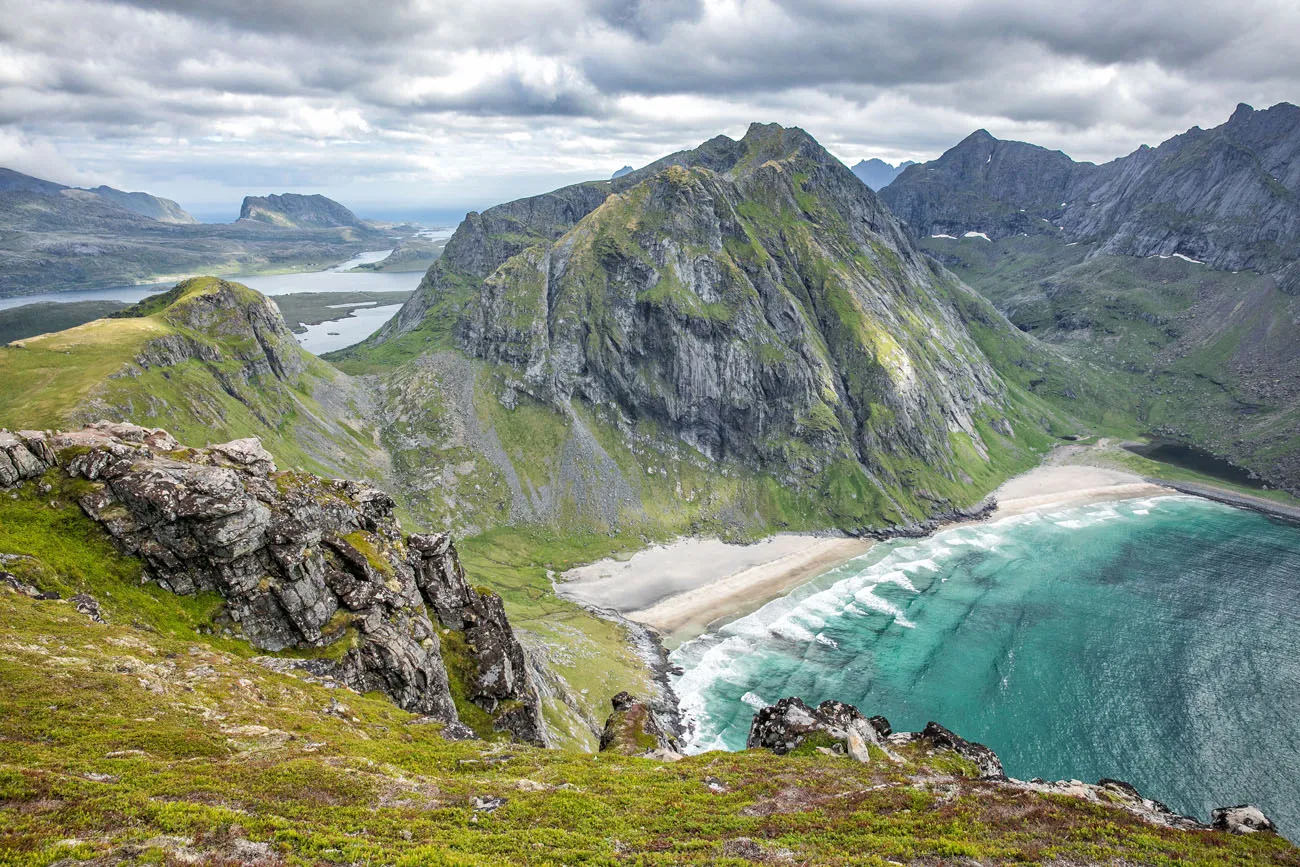
The view of Kvalvika Beach from the hike to Ryten
After the hike, Ramberg Beach is a perfect place to decompress, a long stretch of white sand on Flakstadøya with beautiful views across the water. It’s one of the more accessible beaches in Lofoten and a lovely spot to sit for a while before your afternoon stop.
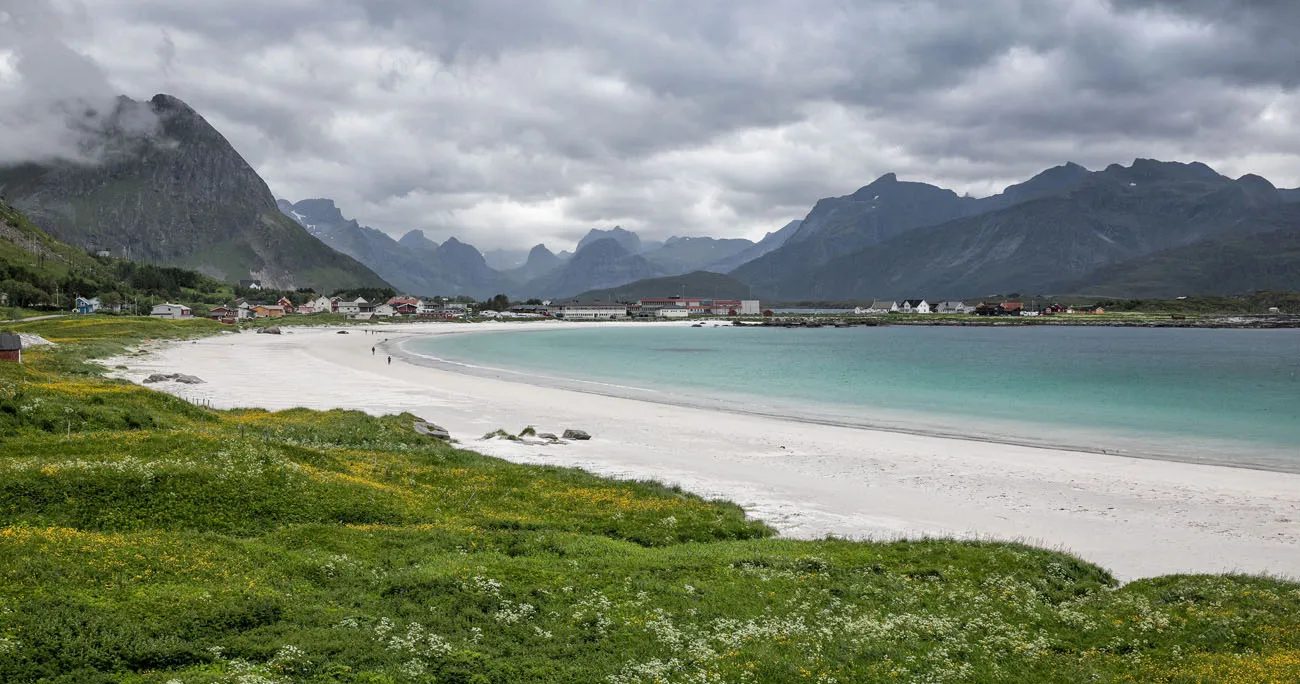
Ramberg Beach
Afternoon: Nusfjord
End the day at Nusfjord, one of the best-preserved fishing villages in Norway and a UNESCO World Heritage Site. Note that Nusfjord charges an entry fee to access the village but it’s worth it. The cluster of 19th century rorbu cabins lining the harbor is remarkably intact, and the setting tucked into a narrow fjord is unlike anywhere else in Lofoten. Give yourself an hour to wander.
Where to sleep: Reine, Hamnøy, or Leknes if you have an early departure the next morning.
Day 5: Your Contingency Day
If you’ve built a fifth day into your Lofoten Islands itinerary, and we strongly recommend that you do, consider it a gift.
The weather here is genuinely unpredictable, even in summer. We visited in early July and lost one full day to rain, wind, and clouds so thick the mountains disappeared entirely, a good reminder that Lofoten doesn’t owe you sunshine just because it’s peak season. Having that buffer day means a rained-out Day 3 doesn’t cost you Reinebringen forever. But if the sun cooperates all week, Day 5 becomes a bonus day to go deeper into the islands.
Here are our top suggestions for how to spend it.
Hike Munken: Munken is one of the most rewarding hikes near Reine that most visitors never get to. It’s overshadowed by Reinebringen but every bit as beautiful. It’s a moderately challenging climb with spectacular views over the fjord and surrounding peaks, and because it’s less trafficked, it feels more like a true wilderness experience. This hike was high on our to-do list, but that day of rain we had meant we couldn’t get to it.
Take the Ferry to Horseid Beach: One of the most magical experiences in the Lofoten Islands is reaching a place that can’t be driven to. Horseid Beach is accessible only by a short ferry from Reine, followed by a moderate hike through a dramatic mountain valley that opens onto a vast, windswept stretch of white Arctic sand. It feels completely untouched and utterly remote, which, compared to the more accessible beaches you’ve visited this week, makes it feel like an entirely different Lofoten. Note that as of summer 2025 the ferry has moved to the eastern side of Reine village. Follow the main road and look for the P-sign on your right. Arrive early, as the ferry is small and fills up quickly.
Take the Ferry to Værøy Island: For a full day adventure, take the ferry from Moskenes port to the tiny island of Værøy. The ferry is free for both cars and pedestrians and takes just over an hour each way. Once there, hike up to the Håen viewpoint for what many visitors describe as one of the best views in all of Lofoten. It’s surreal, panoramic, and completely different in character from the main islands. You can also take a boat to the secluded Puinn Sand Beach or join a puffin watching boat tour. Plan for a full day and check the ferry schedule carefully before you go.
If the Weather Doesn’t Cooperate: A bad weather day in Lofoten is still a Lofoten day. Drive roads you haven’t driven yet, revisit a village you weren’t ready to leave, linger over coffee in Henningsvaer, or simply sit in front of the view from your rorbu and let it all sink in. There are worse ways to spend a rainy afternoon.
How to Get to the Lofoten Islands
In theory, getting to the Lofoten Islands looks rather straightforward. There are two airports in the Lofoten Islands and there is a ferry that connects the Lofoten Islands to the mainland (in Bodø). However, flight delays and ferry delays are common, and this can easily disrupt even the most perfectly laid plans. We found this out on our trip to the Lofoten Islands, which I will talk about a little later.
This is a rather remote location, so it takes some time to get here. But that is the appeal, right? To get here, you might need to take multiple flights or long car rides with a combination of ferries. To make it worth the travel time, ideally, you need to plan to spend at least several days in the Lofoten Islands.
Here are your options for getting to and from the Lofoten Islands.
By Plane
Flying into the Lofoten Islands is the most time effective way to get to and from the Lofoten Islands.
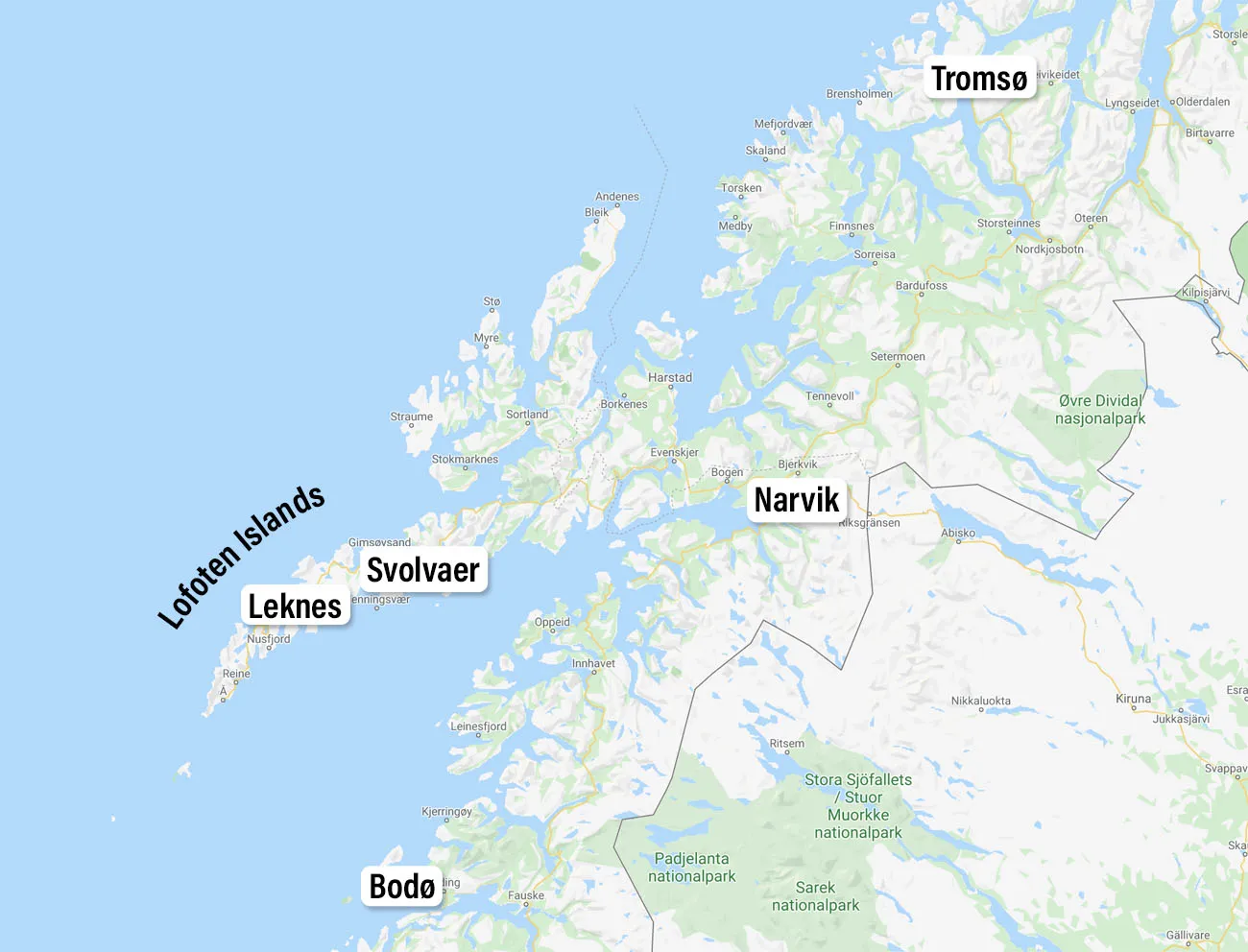
Airports in and around the Lofoten Islands
Airports in the Lofoten Islands
There are two airports in the Lofoten Islands: Leknes and Svolvaer. Leknes is centrally located within the Lofoten Islands, so you will have less of a drive to get to and from this airport. Svolvaer is the capital city of the Lofoten Islands, and this small town has the largest collection of hotels and restaurants.
Airports Outside of the Lofoten Islands
Bodø. Bodø is located on the mainland. To get to the Lofoten Islands, you will take a 3.25-hour ferry. At times, the ferry crossing can be very rough, so if you are prone to seasickness, take this into consideration. It might be worth flying directly to the Lofoten Islands, or flying into one of the airports listed below, instead of flying to Bodø.
There are several ferries per day. You can see ferry timetables here.
Harstad/Narvik Airport. This airport is worth considering as an alternative gateway, particularly if you are flying from elsewhere in Europe. Since 2024, a growing number of carriers have added direct flights to Evenes from various European airports, making it an increasingly practical entry point. From Evenes it is approximately a 2.5-hour drive to Svolvaer.
Tromsø. To drive from Svolvaer from Tromsø, it takes just over 6 hours, so it is not a realistic option for most visitors. However, if you want to turn your Lofoten Islands itinerary into a road trip through northern Norway and have roughly 10 days, this is a great option (and it is spectacular road trip!!).
Airlines that Fly to Leknes and Svolvaer
To fly to the Lofoten Islands, it will most likely take several flights to get here. All of the airlines fly from Oslo. To get to Svolvaer or Leknes, there is a good chance you will have to transfer in Bodø or Tromsø.
Widerøe, Scandinavian Airlines, and Norwegian are the three airlines that operate flights to and from the Lofoten Islands. We have flown all of these airlines and had good experiences with all of them.
Widerøe is the only airline that offers a direct flight from Oslo to Svolvaer (total flight time 2 hours 25 minutes).
With a transfer in Bodø, most likely you will fly a combination of two of these airlines, with a 30 to 60-minute transfer. It will take longer to fly through Tromsø.
Average flight costs from Oslo to the Lofoten Islands range from $150 to $400 USD per person during the summer months.
To search flights, you can use Skyscanner. I also like the Widerøe website. The Widerøe website will give you flight options with Norwegian Airlines and SAS.
Flight Delays in the Lofoten Islands
Flights to and from the Lofoten Islands can be delayed or cancelled in cases of bad weather. We experienced this on our trip.
From the Lofoten Islands, we traveled to Gdansk, Poland. Rainy weather cancelled our flight from Leknes. We were bussed to Svolvaer, rerouted on a short hop to Bodø, and took a second flight to Oslo. From Oslo, we continued our journey to Poland.
Flight delays are not an unusual occurrence on the Lofoten Islands, and we got lucky that we still made it to Gdansk on our planned day (although a lot later at night and with four flights in one day…yes, it took four flights to get us from Svolvaer to Gdansk).
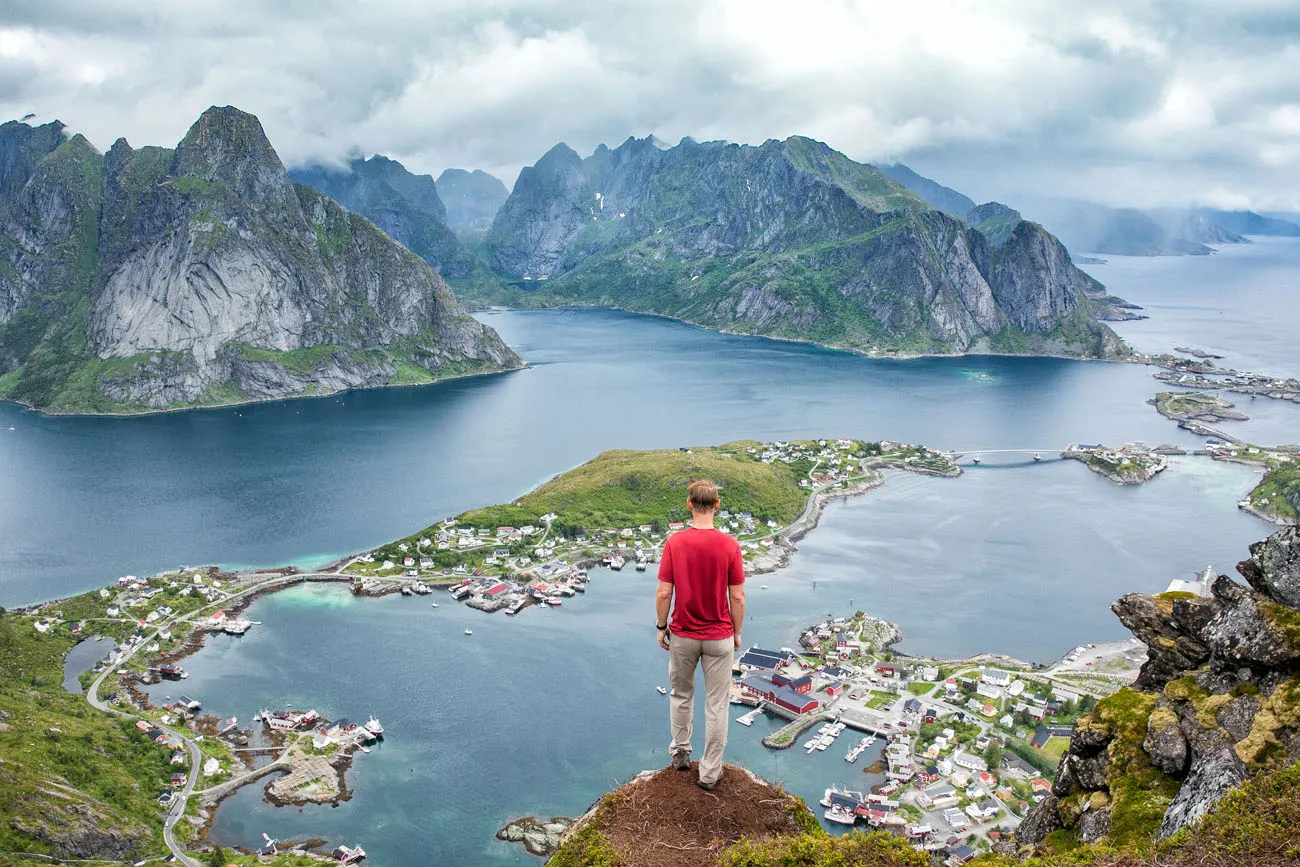
Reinebringen
By Ferry
If your visit to the Lofoten Islands is part of a bigger road trip or train trip through Norway, you can get to the Lofoten Islands by taking the ferry from Bodø.
The ferry can cancel in cases of bad weather. Even with good weather, ferry crossings can be very rough. If you suffer from seasickness, consider flying directly to the Lofoten Islands instead. You can take a quick flight from Bodø to Leknes or Svolvaer.
PRO TRAVEL TIP: If you will be taking a car on the ferry, reserve your ferry tickets in advance. If you are traveling without a car, there is no need to reserve your tickets in advance.
Click here for the ferry schedule and current prices.
By Car
The Lofoten Islands makes a great addition to a road trip through northern Norway. In fact, this is exactly what we did, and it was an amazing 10-day trip. Start in Tromsø and work your way down through Senja and Vesterålen, ending with several days in the Lofoten Islands. See the full itinerary ↓
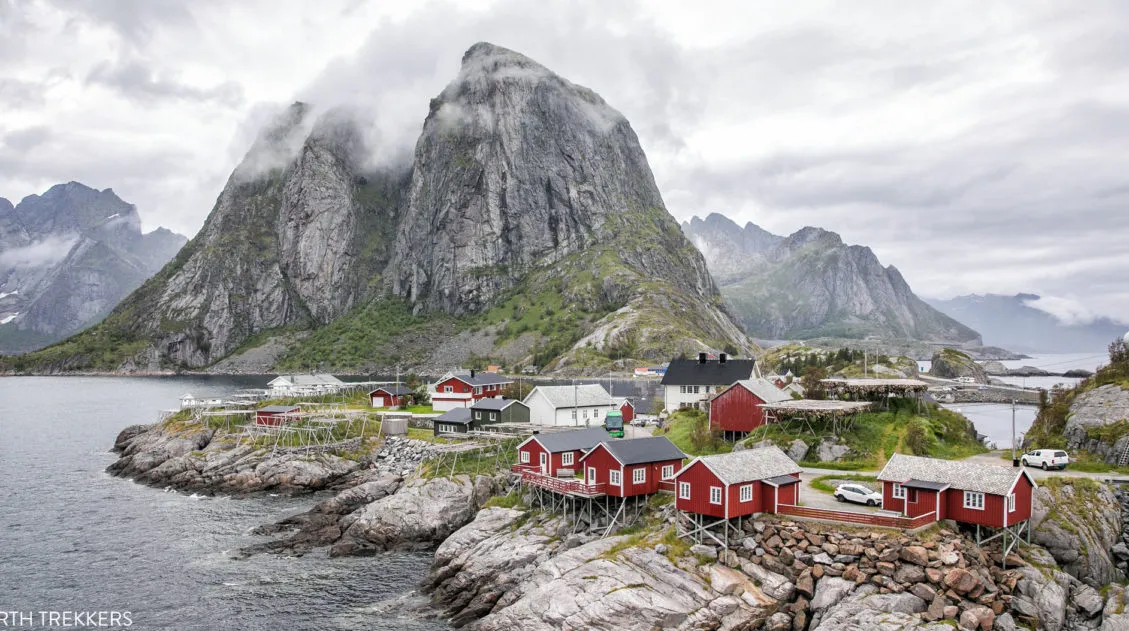
10-Day Northern Norway Itinerary: Tromsø to the Lofoten Islands
Visit Tromsø, Senja, Vesteralen, and the Lofoten Islands.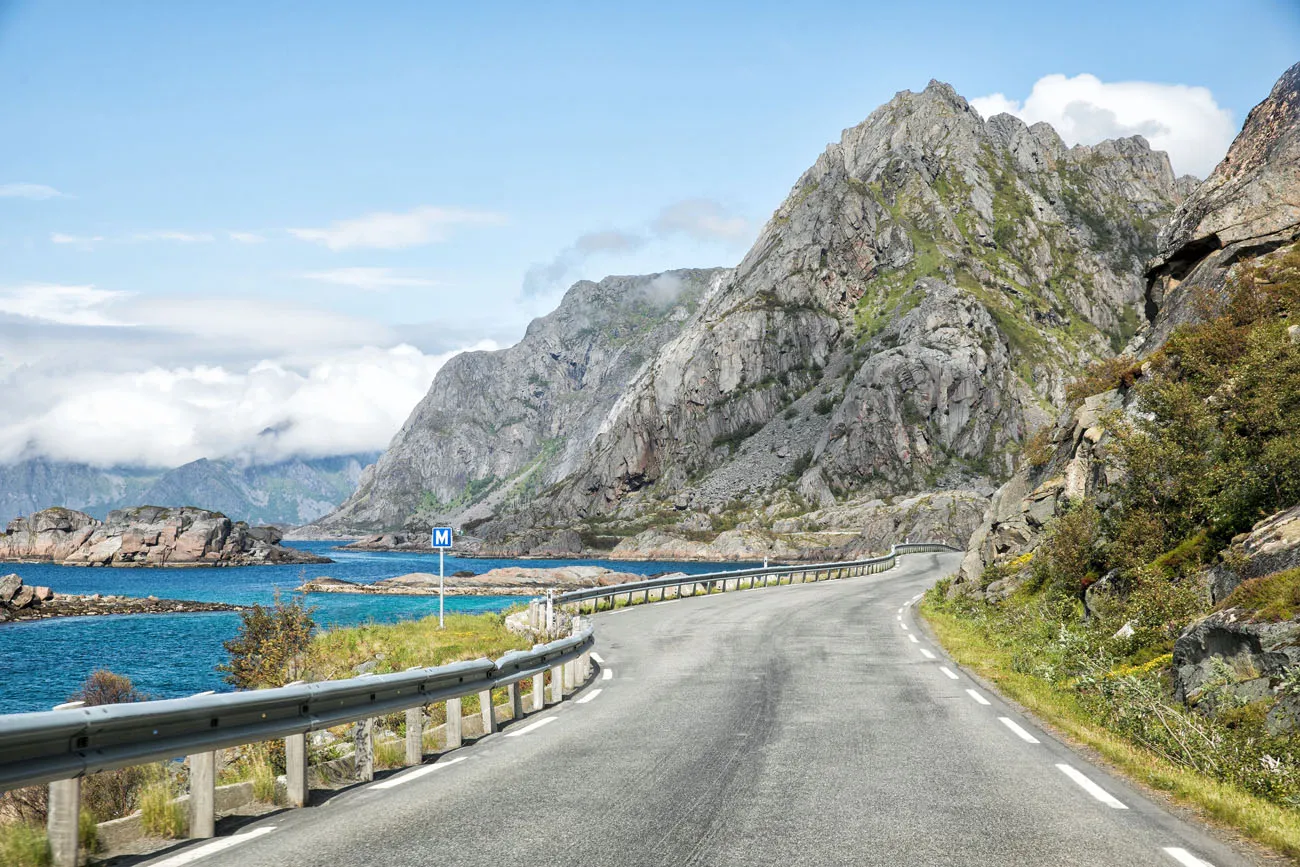
Do You Need to Rent a Car?
Yes, you need to rent a car to visit the Lofoten Islands. There is a public transportation network, but having a car gives you the freedom and flexibility to travel on your own schedule, without being at the mercy of the public bus system.
The roads in the Lofoten Islands are in good condition and well-signed. Some sections are narrow, particularly on the smaller islands and in the fishing villages, but we found driving here straightforward and stress-free overall. If you are comfortable driving in rural areas, you will have no issues here.
When designing your Lofoten Islands itinerary, take into account your starting and ending point. If you pick up and drop off the rental car at two different locations, most likely you will pay an additional drop fee. To avoid this drop fee, start and end your trip at the same airport.
However, you could save some driving time by flying through two different airports (for example, if you start in Tromsø and end in Leknes). This might cost more money for the drop fee, but it will save you a day of travel time by not backtracking to your starting point.
Parking: Parking at the main towns and villages is generally easy to find. At trailheads, some parking areas are free and some charge a fee, but this varies by location. Popular trailheads fill up early on summer mornings, so plan to arrive early if you are hiking. We cover parking details for each hike in our individual hiking guides.
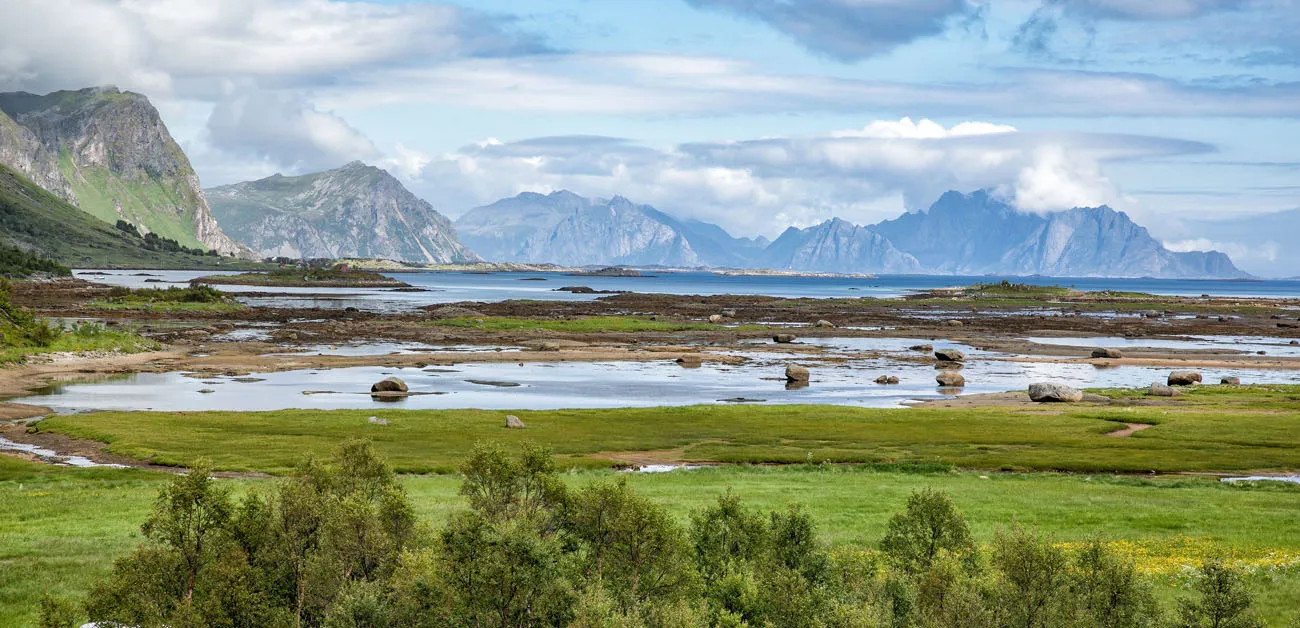
Best Time to Visit the Lofoten Islands
We visited the Lofoten Islands in early July and loved it, but came away with a few things we didn’t fully anticipate.
The weather was a genuine mix: some beautiful sunny days, plenty of clouds, and one complete washout. That’s just Lofoten in summer, and it’s part of why we recommend the contingency day.
What caught us more off guard was the light. In early July the sun barely sets, which is a spectacular thing to experience, but it also means your bedroom never gets truly dark. Sleeping was genuinely difficult without blackout curtains. If you’re a light sleeper, pack an eye mask and don’t assume your accommodation will have it covered.
That said, summer is still the best time to visit for most travelers, and early July hit a sweet spot of long days, accessible trails, and the full range of Lofoten experiences.
Here’s how the seasons break down:
- Spring (May–June): Increasingly popular, with fewer crowds than peak summer and dramatic light. Snow lingers on the higher peaks into June, which is stunning. Some tourist facilities are just opening for the season. Late May and June offer some of the longest days of the year.
- Summer (July–August): Peak season and the most reliable window for hiking, road tripping, and good weather, though “reliable” is relative in Lofoten. Expect the most crowds, the highest accommodation prices, and the midnight sun phenomenon. Book accommodation well in advance.
- Autumn (September–October): One of the most beautiful times to visit. The summer crowds thin out, the light turns golden, and the Northern Lights begin to appear. Weather becomes more unpredictable but the tradeoffs are worth it for many travelers.
- Winter (November–March): A completely different experience, with snow-covered peaks, frozen fjords, and the best chance of seeing the Northern Lights. Daylight is extremely limited, and many tourist facilities close, but for the right traveler, it is utterly spectacular.
Where to Stay
Rorbuer, apartments, hotels, and hostels are scattered throughout the Lofoten Islands. Where to stay depends on the length of time you will be visiting and your budget.
If you are here for a short period of time (2 or 3 days), consider staying in a centrally located accommodation, to minimize driving time. Nusfjord or near staying Leknes are nice options.
With four or more days, you have a lot of time, so spending extra time on the road is not a big deal. You can stay down in lovely Hamnøy or picturesque Reine, in one of the amazing rorbuer here.
You also have the option to split your stay into two different accommodations. Spend part of your time in or near Svolvaer and the remainder of your time in or near Reine. This is what we did and it worked very well for us.
For a full list of places to stay and advice on how to pick out your accommodations, read our article Where to Stay in the Lofoten Islands ↓
Where to Stay in the Lofoten Islands: Rorbuer, Hotels & More
Where to stay in the Lofoten Islands, organized by location and budget.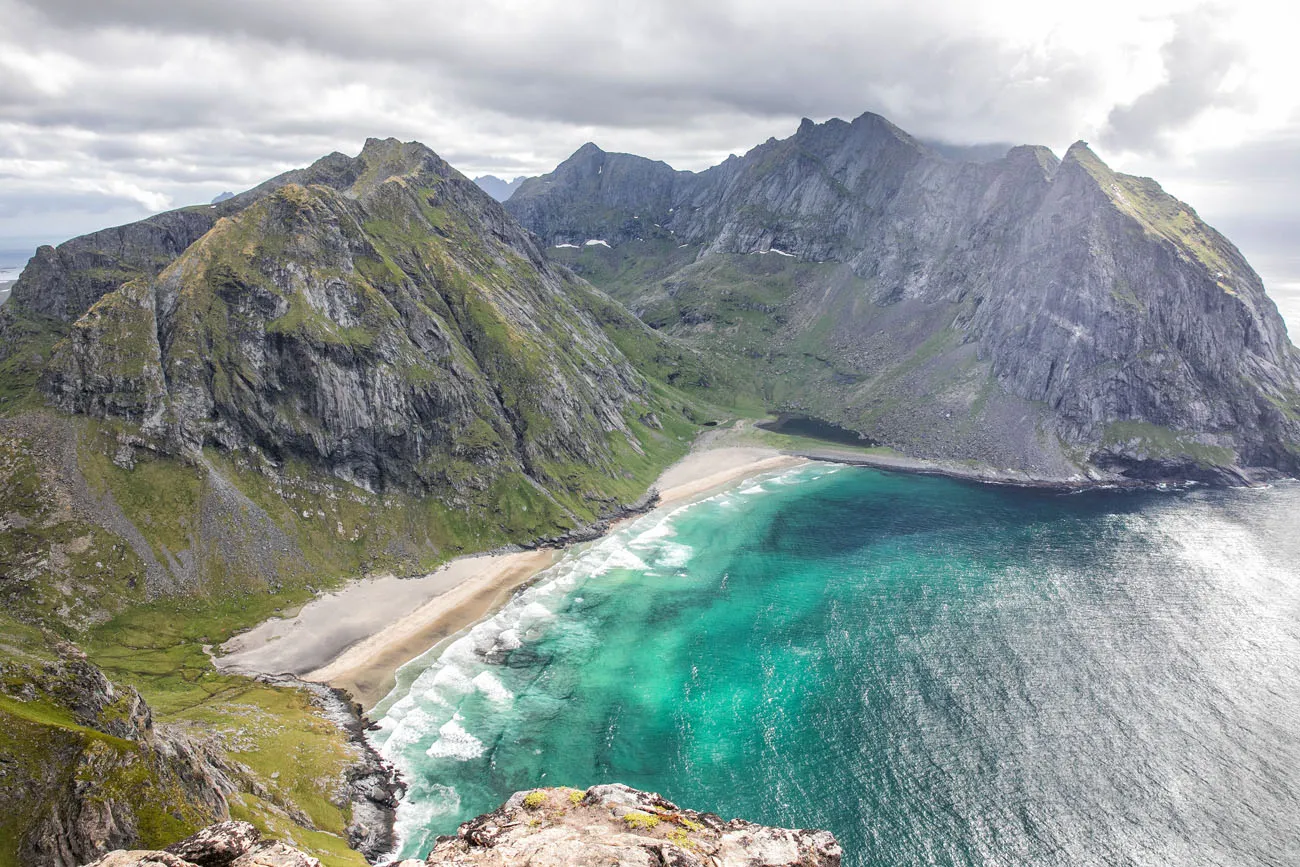
Ryten
Frequently Asked Questions About the Lofoten Islands
When is the best time to visit the Lofoten Islands?
The best time to visit the Lofoten Islands is late May through September. Summer brings the warmest weather, the longest days, and the best conditions for hiking and road tripping, but also the largest crowds. At midsummer, you can experience the midnight sun, where it never gets fully dark. Spring and autumn offer fewer crowds, dramatic light, and the chance to see the Northern Lights. Winter is a completely different experience: beautiful but challenging, with very limited daylight and many tourist facilities closed.
How long does it take to drive through the Lofoten Islands?
Without stops, it takes about 4 hours to drive the full length of the Lofoten Islands from north to south. But this is one of the most beautiful drives in Norway, with rugged mountain peaks, white sandy beaches, and picturesque fishing villages at every turn. We’d recommend giving yourself at least one full day for this drive, or better yet, breaking it up over several days with an overnight stay at each end of the islands.
How many days do you need in the Lofoten Islands?
We recommend four to five days. Four days gives you enough time to drive the full length of the islands, hike two or three trails, explore the fishing villages, and visit the beaches without feeling rushed. The fifth day is your contingency, for weather, rest, or going back to the places you weren’t ready to leave. Factor in at least one travel day on each end and your total trip will run closer to seven days.
Are the Lofoten Islands worth it?
Absolutely. The Lofoten Islands are one of the most beautiful places to visit in Europe. With rugged coastlines, small harbors filled with red fishing cabins, winding roads through the mountains, thrilling hiking trails, and beaches that look like they belong in the Caribbean, the Lofoten Islands are a delight to explore.
Can I see the Northern Lights in the Lofoten Islands?
Yes, the Lofoten Islands are one of the best places in Norway to see the Northern Lights. The peak season is September through March, when the nights are dark enough for the lights to be visible. September and October are particularly popular because you still get reasonable temperatures and daylight hours alongside the chance of a Northern Lights display. Summer visitors will not see them due to the midnight sun phenomenon.
Can you visit the Lofoten Islands without a car?
Technically yes, but we don’t recommend it. There is a public bus network connecting the main towns, but it won’t get you to the trailheads, remote beaches, or smaller villages that make the Lofoten Islands so special. A rental car is essential for getting the most out of your time here, and given the scenery, the drive itself is half the experience.
Plan Your Trip to Northern Norway
If this Lofoten Islands itinerary has you wanting to explore more of Norway, here are our top resources.
To extend your trip north, our 10-Day Northern Norway Road Trip starts in Tromsø and works south through Senja and Vesterålen before finishing in the Lofoten Islands, and it’s one of the best road trips in Europe.
To pair Lofoten with the fjord region instead, our Norway itinerary covering both Lofoten and southern Norway gives you the best of both landscapes in one trip.
For planning a trip to Norway from scratch, our Norway Travel Guide covers everything you need to know. And if you’re looking for more inspiration across the continent, our Europe itineraries page has you covered.
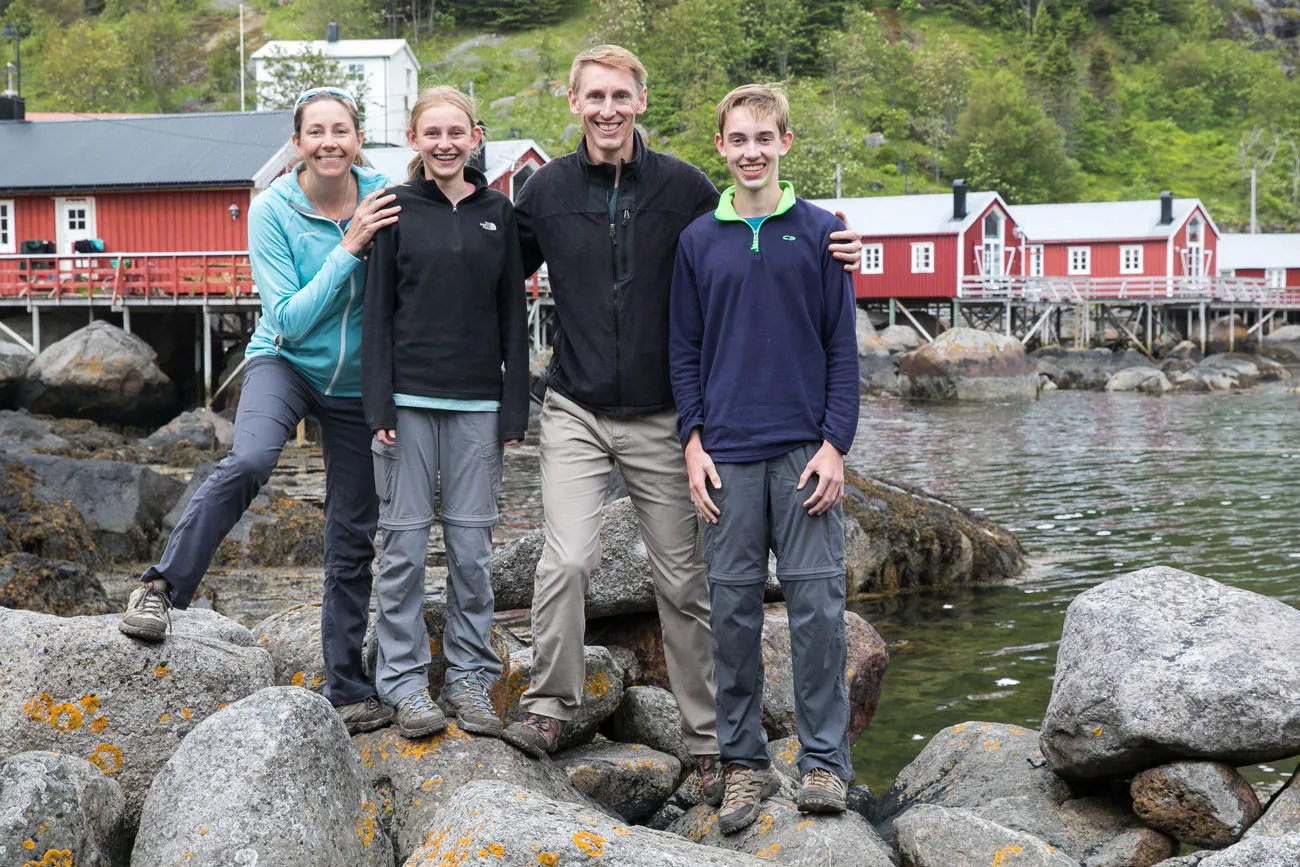
Photo taken at Nusfjord
If you have any questions about how to plan your Lofoten Islands itinerary, let us know in the comment section below. We look forward to hearing from you!
More Places to Visit in Norway
Where to Stay in the Lofoten Islands: Rorbuer, Hotels & More
Pinterest Facebook Flipboard If you’re trying to figure out where to stay in the Lofoten Islands, the first thing you need to know is this: the islands have their own iconic accommodation type, and it’s unlike anything else in the world. Rorbuer, traditional Norwegian fishermen’s cabins, typically perched on stilts over the water, are the […]
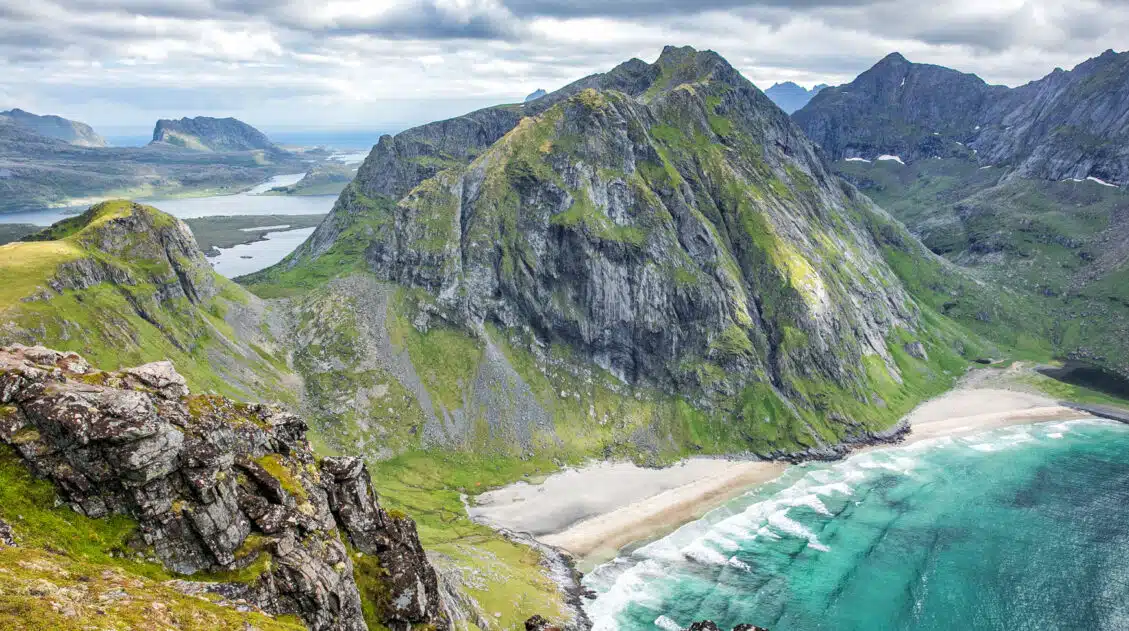
Norway Travel Guide: Fjords, Lofoten Islands & Svalbard
Norway Travel Guide There is nowhere quite like Norway. We’ve been to Norway twice, and both trips rank among the most spectacular we’ve ever taken. On our first visit, we road tripped through the fjord region in summer, hiking Trolltunga, Kjeragbolten, Pulpit Rock, and Romsdalseggen Ridge and cruising past some of the most dramatic scenery […]
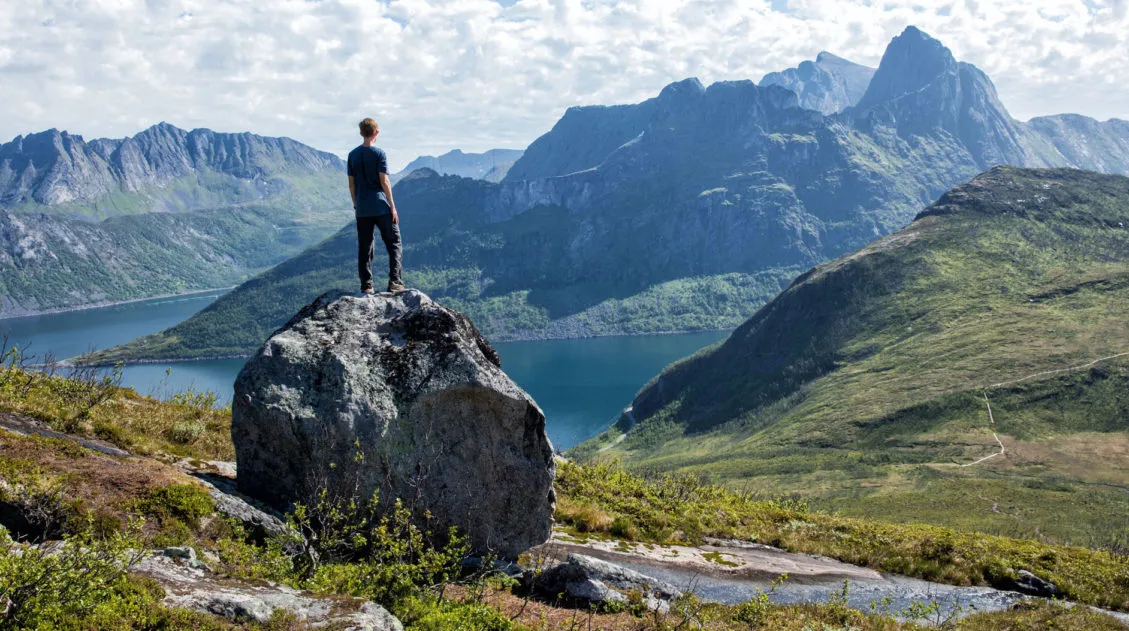
Best Hikes in Norway: 14 Epic Trails for Every Level
For hikers, few places in Europe can match Norway. The hikes in Norway are endlessly varied and genuinely world-class, from the fjords of southern Norway, the jagged peaks of the Lofoten Islands, and the remote coastline of Vesterålen and Senja. Alongside the Dolomites and the Swiss Alps, this is one of our absolute favorite places […]
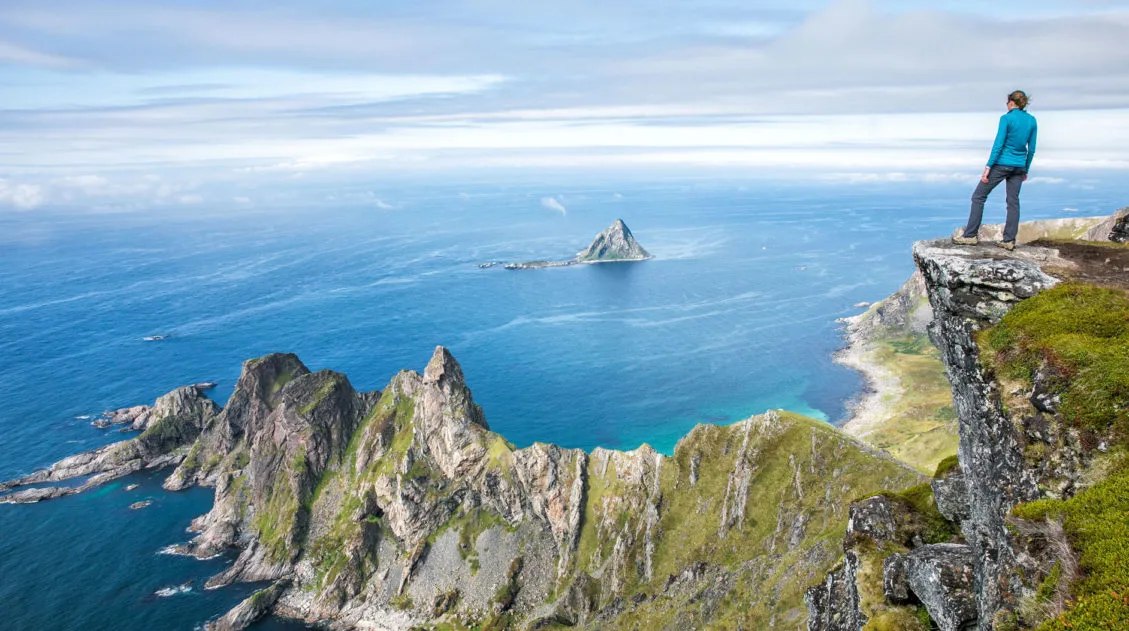
Hiking to Måtind on the Stave-Bleik Coastal Trail, Vesteralen, Norway
Norway has a way of exceeding every expectation, and the Stave-Bleik Coastal Trail on Vesteralen’s Andøya island is a perfect example. We hiked to Måtind in early July as part of a road trip from Tromsø to the Lofoten Islands, squeezing it in after a morning ferry crossing from Senja, and it turned out to […]
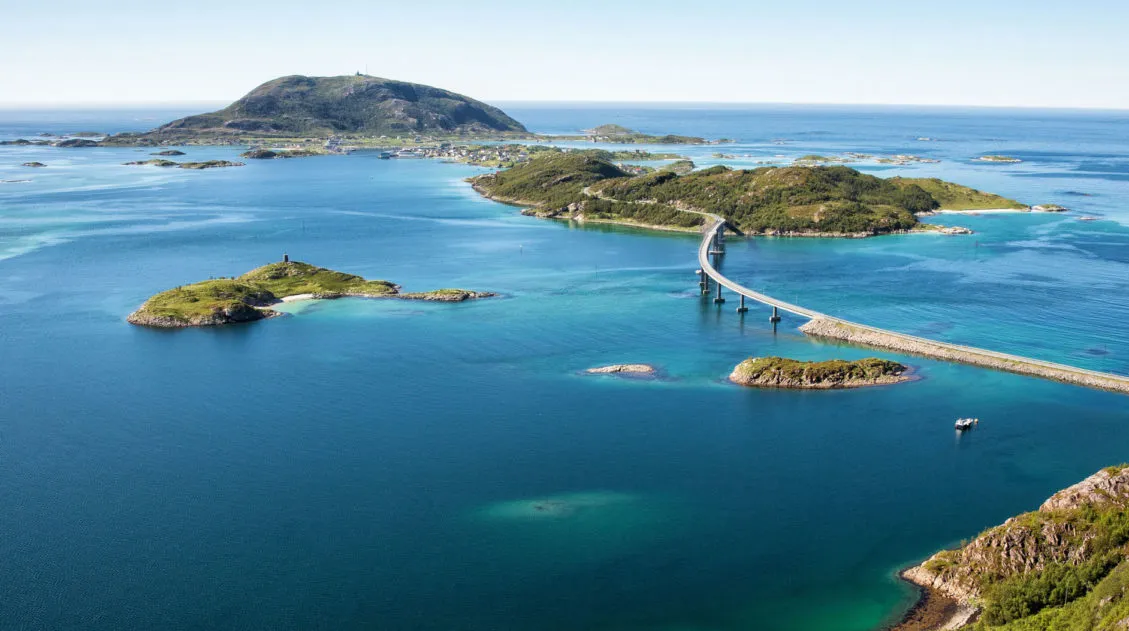
Ørnfløya, A Short but Sweet Hike in Sommarøy, Norway
Sommarøy doesn’t get the attention it deserves. Most visitors drive straight past it on their way to Tromsø or the Lofoten Islands, never realizing what they’re missing. We visited it as part of a road trip through northern Norway, and it immediately became one of the highlights of that trip. The hike up Ørnfløya is […]
How to Plan Your First Trip to Europe: Everything You Need to Know
Picture this: you’ve decided you’re finally going to do it. You’re going to Europe. The excitement is real. So is the panic when you open Google and realize there are roughly a million opinions on where to go, what to see, and how to do it all in 10 days. We’ve been traveling to Europe […]
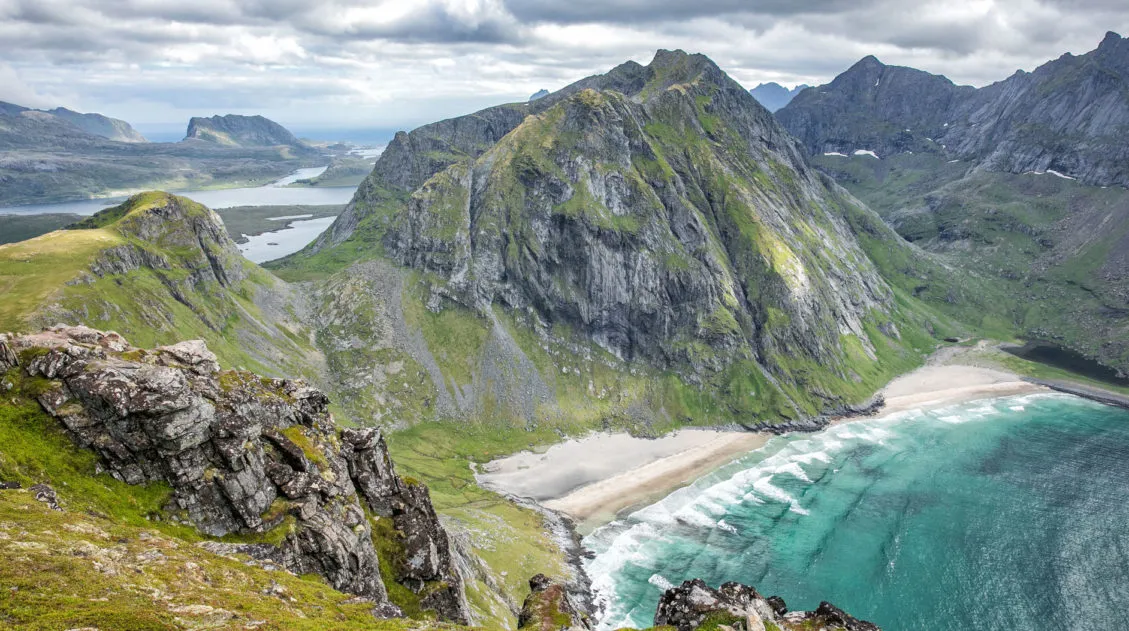
Hiking Ryten: Kvalvika Beach Views & Lofoten’s Mini-Trolltunga
The hike to Ryten has all of the ingredients of a perfect Lofoten Islands hike: sweeping vistas across the mountains and fjords, a fun but slightly strenuous hike to a mountain peak, and a breathtaking view of a white, sandy beach. The icing on the cake is a “mini Trolltunga,” an outcropping of rock where […]
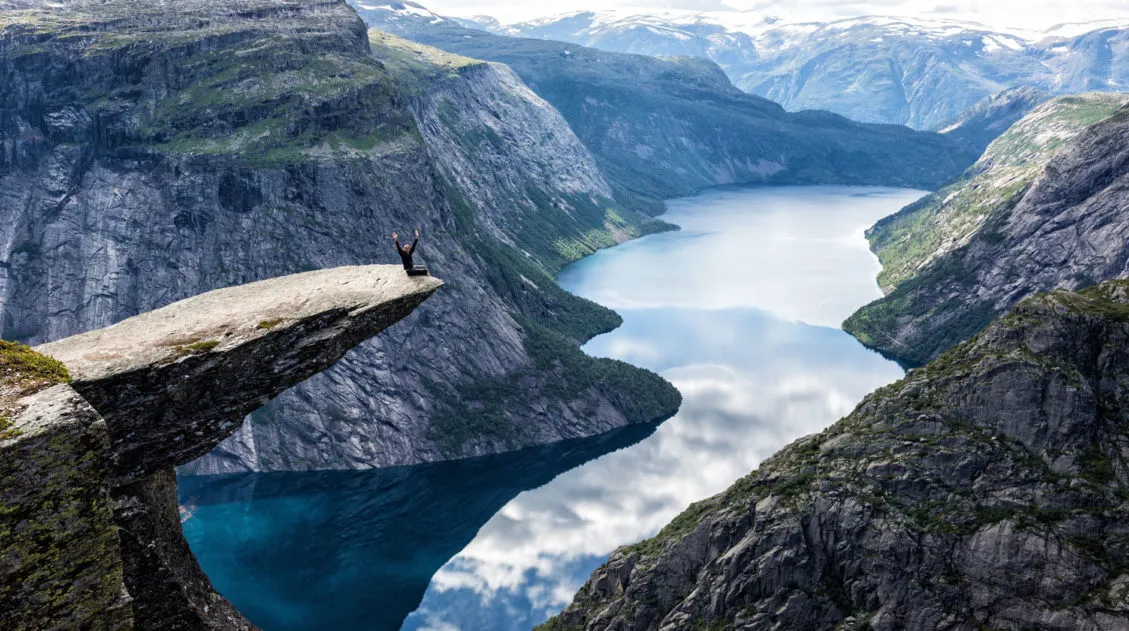
Exactly How to Hike Trolltunga: Cost, Parking, Stats & Hiking with Kids
Trolltunga is one of Norway’s most popular hikes for good reason. It is an incredibly scenic hike, ending at the Troll’s tongue, a thin sliver of rock perfect for creative photographs. This is definitely a hike to add to your bucket list. We did the Trolltunga hike on our first visit to Norway. On that trip, […]
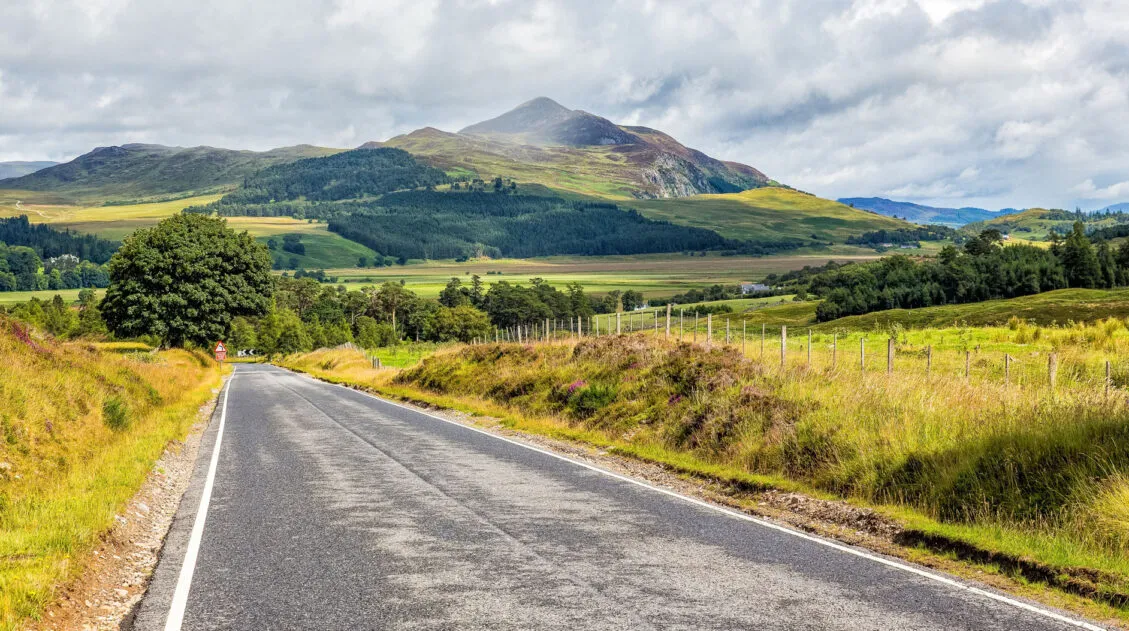
15 Things You Should Know about Renting a Car in Europe
Some of the best moments of a European road trip happen spontaneously: a hilltop village you pulled over for on a whim, a coastal viewpoint you would have blown past on a train. Having your own car makes that possible. But before you hit the road, there are a few things about renting a car […]
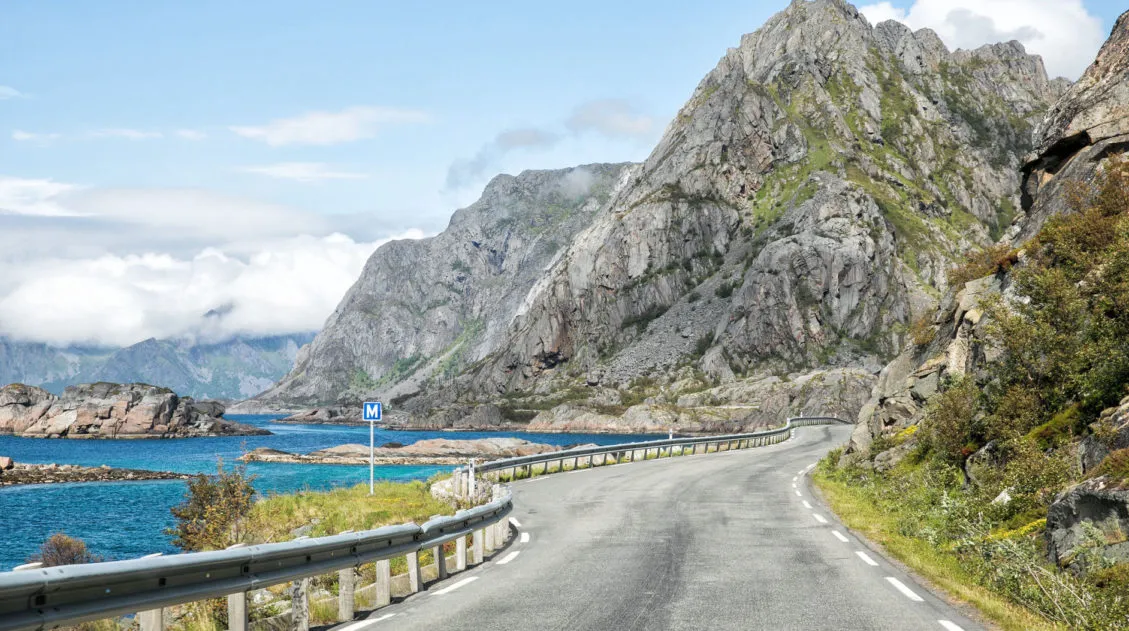
10 Days in Norway: How to Combine the Fjords and the Lofoten Islands
After two trips to Norway, one through the fjord region, one through the far north, we started getting the same question over and over in our comments: Can we combine both into one trip? How do we do the fjords AND the Lofoten Islands in 10 days? That’s exactly what this post is for. We’ve […]
Best Hikes in Europe: 25 Incredible Hikes for Every Level
From the dramatic cliffs of Norway to the jagged peaks of the Dolomites and the volcanic landscapes of Iceland, Europe is packed with some of the most unforgettable hikes in the world. In this guide, we share our favorite hikes in Europe, trails that stand out for their scenery, uniqueness, and overall experience from start […]
10 Days in Europe: 10 Amazing Itineraries for Your Next Trip
Europe is a joy to explore. With world-class cities, medieval towns, historical sites, the snowcapped Alps, gorgeous beaches, and some of the world’s most delicious food, you have the perfect ingredients for your next vacation. If you want to spend 10 days in Europe, we have ten amazing itineraries to share with you. In this […]

Comments 45