
We have been to Italy six times, and this route — Rome, Pompeii, the Amalfi Coast, Florence, Tuscany, the Cinque Terre, and Venice — is the one we recommend above all others for a first visit. We’ve traveled every stretch of it firsthand and refined the planning advice in this post trip by trip.
What makes 14 days the magic number? It’s the only length of time that lets you hit Italy’s three great cities, Rome, Florence, and Venice, while also visiting the Amalfi Coast in the south and the Cinque Terre in the north. Most 10-day itineraries force you to choose between them. With two weeks, you don’t have to.
This is a point-to-point itinerary that starts in Rome and ends in Venice, traveling north by train. The itinerary moves quickly but never feels like a race. You’ll spend three nights in Rome, three nights in the Sorrento area, three nights in Florence, two nights in the Cinque Terre, and two nights in Venice, with a Tuscany day trip built in. Every destination is one we’ve visited ourselves, and we share what worked, what didn’t, and what we’d do differently.
If this is your first time planning a trip to Italy, start with our Italy Travel Guide, which covers when to go, how to get around, and what to know before you arrive.
Two Weeks in Italy: The Essentials
DESTINATIONS | Rome → Sorrento & the Amalfi Coast → Florence → Cinque Terre → Venice
START / END | Rome to Venice (point-to-point route)
BEST FOR | First-time visitors who want Italy’s classic highlights plus the Amalfi Coast and Cinque Terre
CAR NEEDED | No, this itinerary is done entirely without a car.
BEST TIME TO VISIT | April through June and September through October
TRIP STYLE | Classic Italy highlights by train
TOTAL NIGHTS | 13 nights (3 Rome · 3 Sorrento · 3 Florence · 2 Cinque Terre · 2 Venice)
April 2026 Update: Major refresh: added new sections on the best time to visit, how to get around, and cost. New Trevi Fountain access restrictions added, Borghese Gallery website updated, and all links and prices verified.
Two Weeks in Italy Itinerary
Day 1: Arrive in Rome
Day 2: Rome
Day 3: Rome
Day 4: Pompeii and Sorrento
Day 5: Capri
Day 6: Amalfi Coast
Day 7: Florence
Day 8: Florence
Day 9: Day trip to Tuscany
Day 10: Travel to Cinque Terre, Pisa optional
Day 11: Cinque Terre
Day 12: Travel to Venice, Milan optional
Day 13: Venice
Day 14: Venice
Two Weeks in Italy Map
Below is a map showing the point-to-point route from Rome to the Amalfi Coast, Florence, Cinque Terre, and Venice.
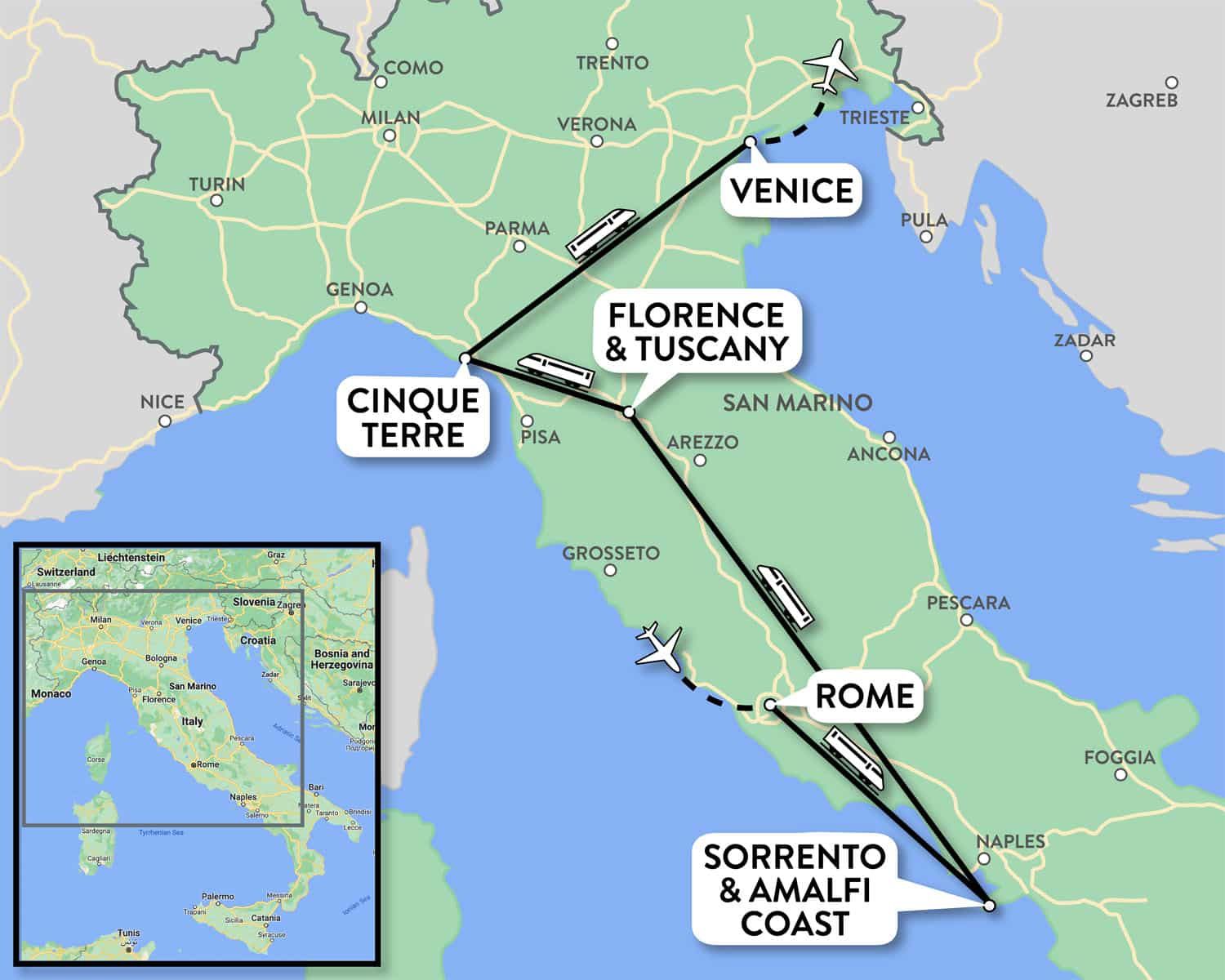
Two week Italy Itinerary map | Map adapted from Google
Why This 14 Day Italy Itinerary Works
First, the route follows a logical geographic flow. You fly into Rome, spend three days in the south, then travel north through Florence and the Cinque Terre before finishing in Venice. There’s no doubling back, no inefficient criss-crossing, and every train journey moves you in the right direction. That matters more than it sounds — wasted travel days are the most common mistake we see in Italy itineraries, and this route avoids them.
Second, it’s the shortest itinerary that lets you do both the Amalfi Coast and the Cinque Terre without sacrificing the three cities. This is a very common question we get from people planning a trip to Italy: can I see both coastlines in one trip? With 10 days, the answer is no, not without rushing both. With 14 days, you have enough time in each place to actually experience it, not just check it off. That’s the reason this itinerary exists.
Third, the pace is designed to minimize how frequently you change hotels. You’ll change accommodations five times across 14 days, which sounds like a lot until you compare it to itineraries that have you packing and unpacking every two nights. Spending two to three nights in each base gives you at least one full day of sightseeing and one day trip from every location, which is enough to feel like you actually lived somewhere for a few days rather than just passing through.
Finally, this itinerary travels entirely without a car. Italy’s train network is fast, affordable, and connects every major stop on this route. There is one exception, the Tuscany day trip, where you have the option of renting a car for the day, which gives you more flexibility for visiting the hill towns. Getting around the Amalfi Coast is handled by ferry and private driver, which is both more enjoyable and more practical than driving that coastline yourself, especially in peak season.
14 Day Italy Itinerary
Day 1: Arrive in Rome
Overnight: Rome
Highlights: Heart of Rome: Trevi Fountain, Pantheon, Spanish Steps, Piazza Navona
Transportation: Fly into Rome Fiumicino Airport (FCO), the main international airport. The easiest way to reach the city center is the Leonardo Express train, which runs directly to Roma Termini station.
If you arrive on a red-eye, this first day will be challenging. Get settled into your hotel and give yourself time to adjust. Don’t make big plans. Instead, spend the afternoon on one of the best introductory walks in all of Italy. On this walk, see some of Rome’s most famous sites, such as the Spanish Steps, the Trevi Fountain, and the Pantheon.
Here is a walking map of the route. It’s about 2 miles long, starting at the Spanish Steps and ending at Campo de’Fiori. With stops along the way, this walk takes about two hours.
How to Use This Map: Click the icons on the map to get more information about each point of interest. To take this map with you, click the star next to the title of the map which adds it to your Google account. Next, within your Google Maps app, select ‘Saved’ and then select ‘Maps’. This map title will now appear in your list.
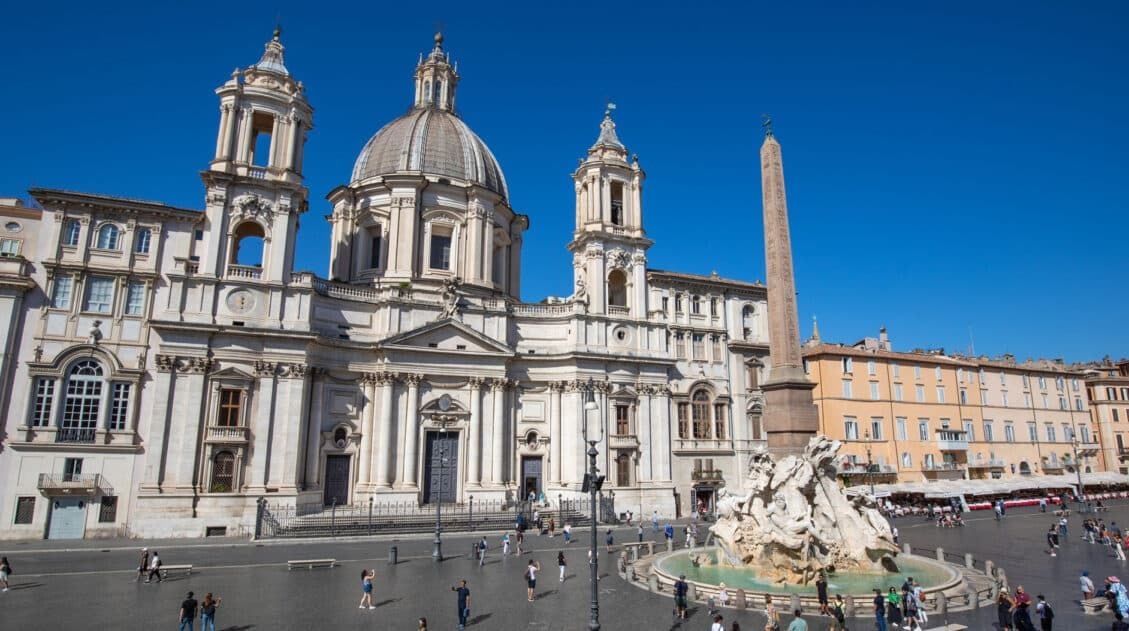
Starting at the Spanish Steps, make your way to the Trevi Fountain, then continue to the Pantheon, a building that has been standing since 120 AD, and finish at Piazza Navona and Campo de’Fiori.
We did this walk on our very first day in Italy and were amazed at how much history, how many iconic piazzas, and how many world-famous landmarks were packed into such a small, walkable area. Even our kids loved it. We’ve done it again on return trips to Rome and it never gets old.
PRO TRAVEL TIP: As of February 2026, visiting the Trevi Fountain up close now requires a €2 ticket to access the basin area, the spot right at the water’s edge where you toss your coin. Viewing the fountain from the piazza above remains free. Tickets are required from 9am to 10pm most days (11am to 10pm on Mondays and Fridays), and after 10pm the barriers open and access is free for everyone. The good news: the new system has actually made the up-close experience noticeably less chaotic. It’s €2 well spent.
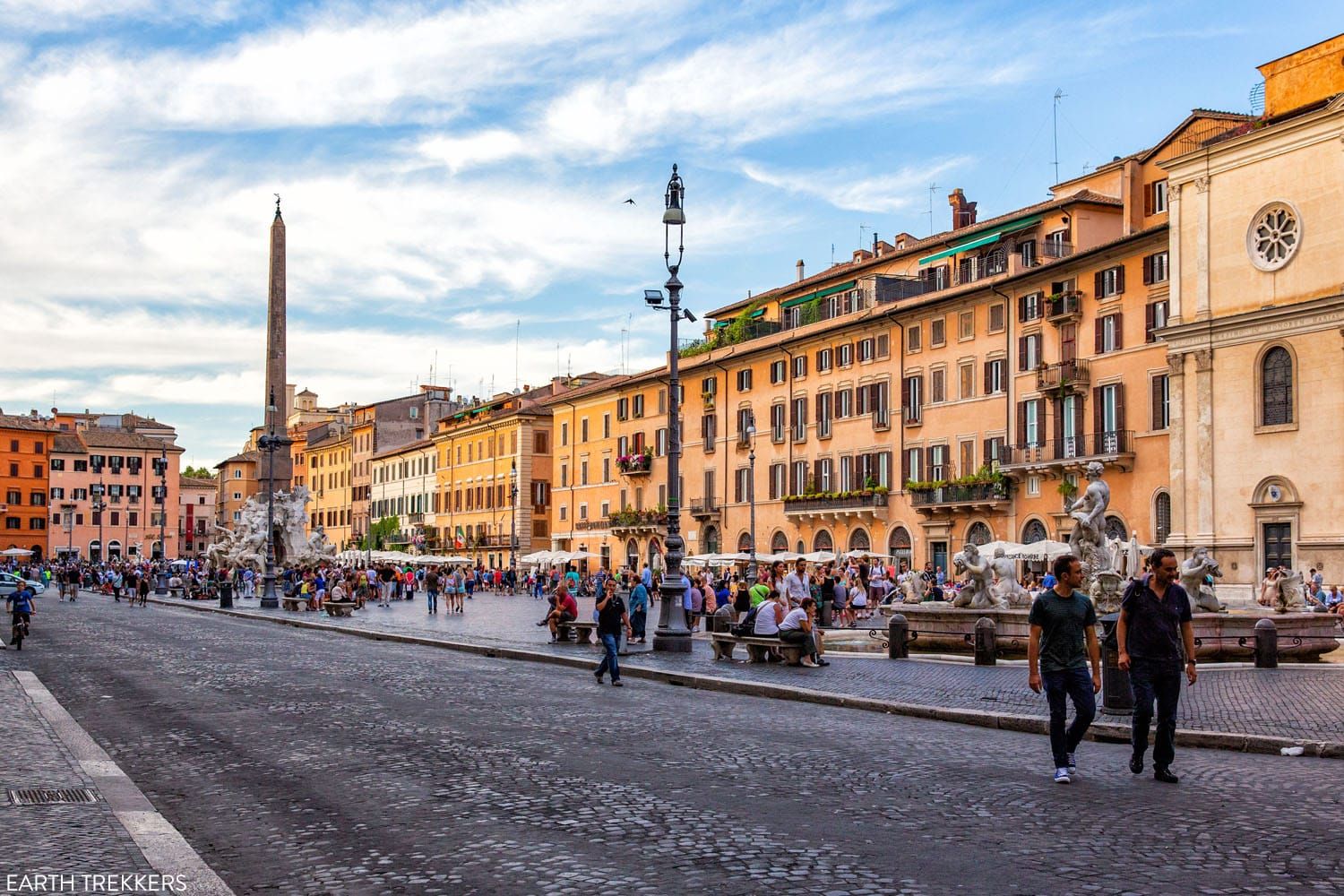
Piazza Navona
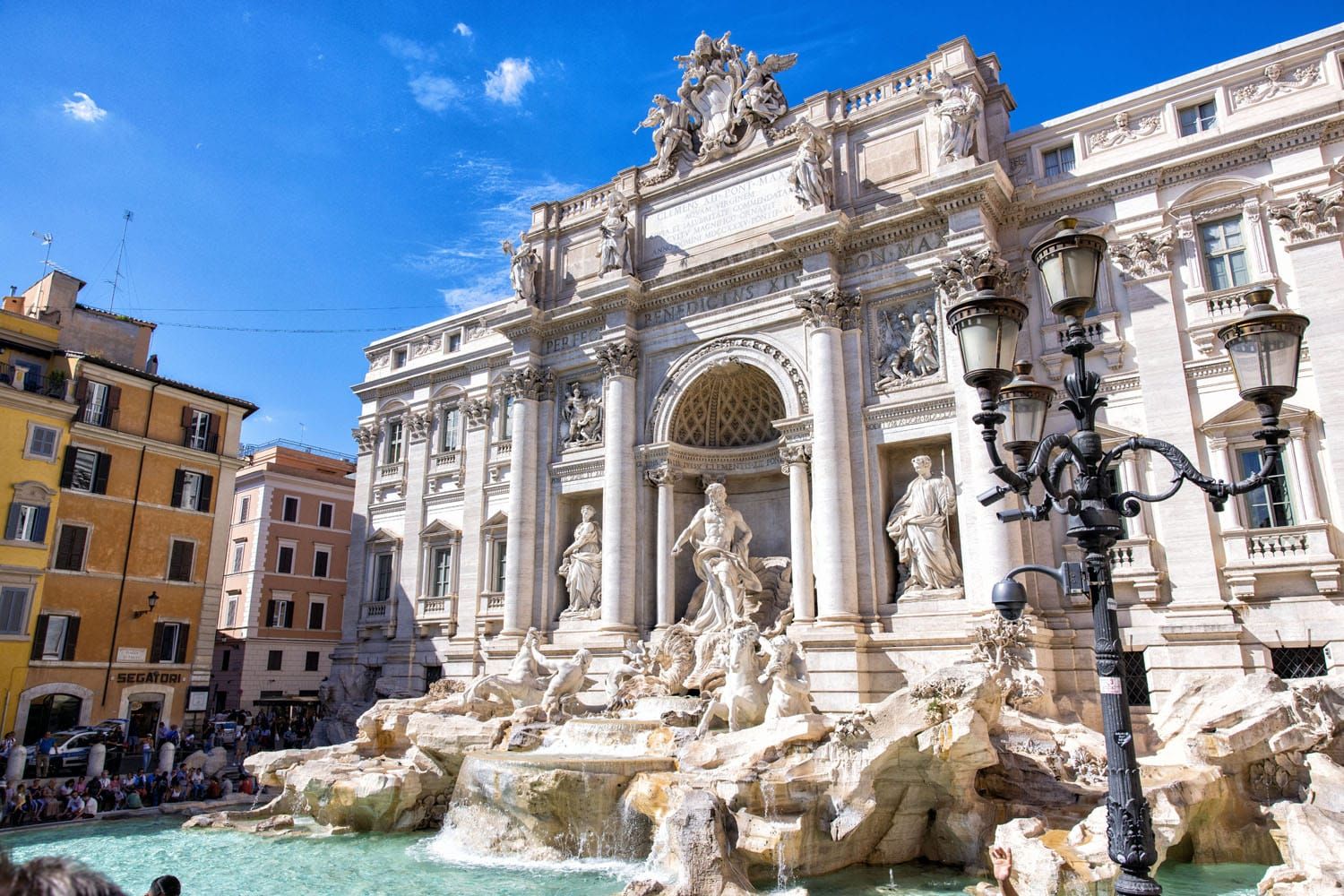
Trevi Fountain
Evening
For dinner on your first night, the restaurants in and around Piazza Navona are a natural choice. You’ll finish your walk right there and the neighborhood has some of Rome’s best options. For recommendations, take a look at our Where to Eat in Rome guide.
Where to Stay in Rome
You’ll spend three nights in Rome. For hotel recommendations organized by neighborhood and budget, read our Where to Stay in Rome guide ↓
Where to Stay in Rome: Best Hotels, Apartments, and B&Bs
Best places to stay in Rome, organized by location and budget.Day 2: Colosseum, Roman Forum, Altar of the Fatherland, Trastevere
Overnight: Rome
Highlights: Colosseum, Roman Forum, Palatine Hill, Altar of the Fatherland, Trastevere
Early Morning: The Colosseum
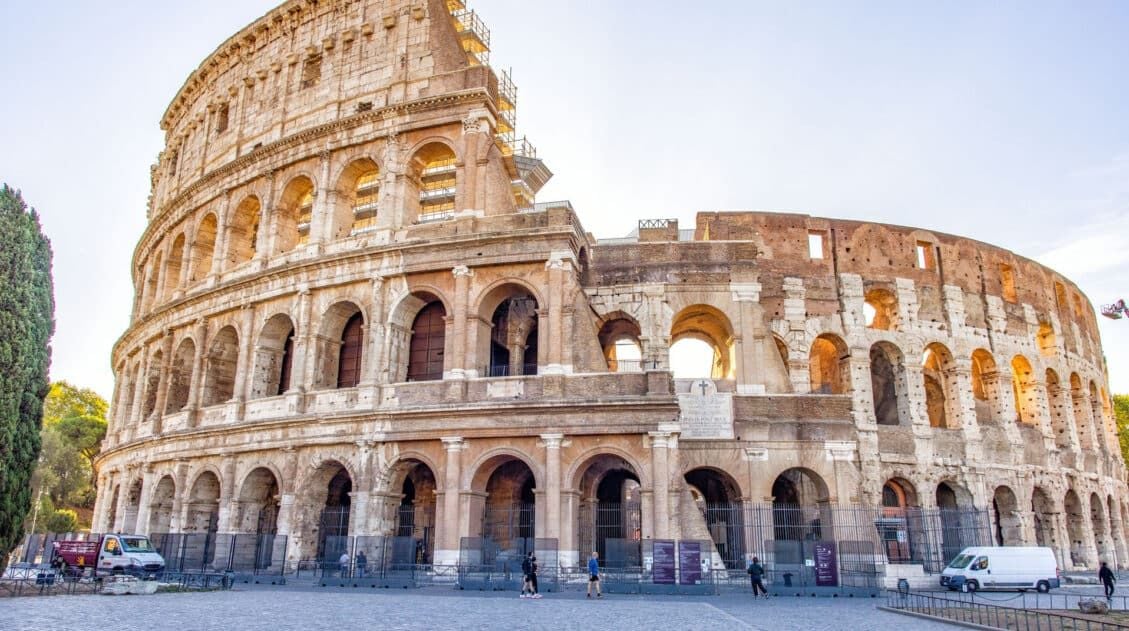
The Colosseum is one of New 7 Wonders of the World and the largest amphitheater that was ever built. It was constructed almost 2000 years ago, completed in 80 AD. In its heyday, between 50,000 and 80,000 spectators would watch gladiator contests, executions, animal hunts, and the reenactments of famous battles.
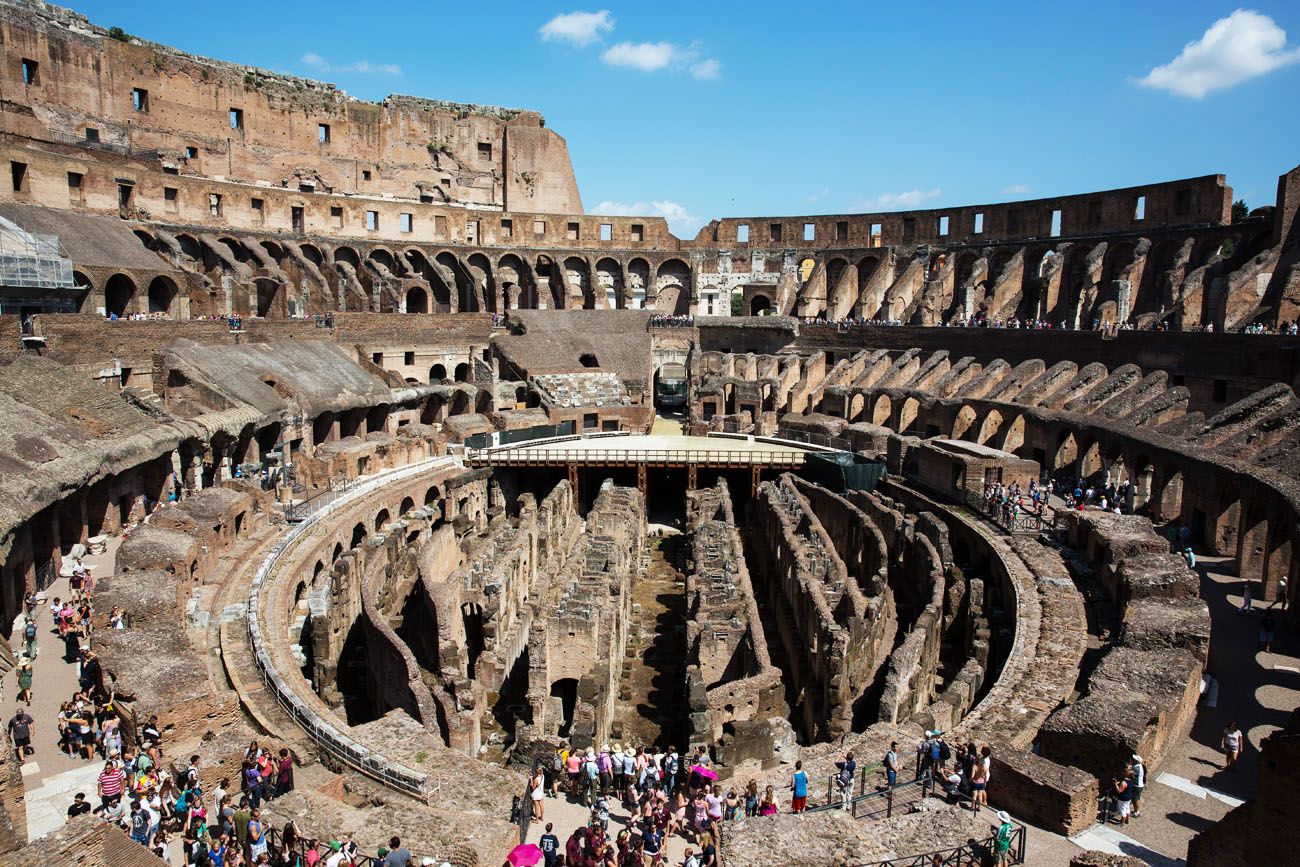
The Colosseum
How to Visit the Colosseum
We have a detailed guide about how to visit the Colosseum, but here are a few tips.
On your visit to the Colosseum, you can either wander through it on your own, take the audio guide tour, or join a guided tour. Most visits last 1 to 3 hours.
You must purchase your entrance ticket in advance (you cannot just show up and get in line for a ticket). It costs an extra €2 per ticket for the online reservation fee, but this is worth it to avoid standing in long lines.
If online tickets are sold out for your dates of travel, I recommend joining a guided tour of the Colosseum. You will spend a little more money than purchasing your tickets directly from the Colosseum website, but at least you will get to visit the Colosseum.
Hours: Hours vary by season. Click here to get hours for your dates of visit.
Cost: €18 for the standard ticket that gets you in to the Roman Forum, Palatine Hill, and the Colosseum; there is also a Full Experience ticket that also includes a visit to the Colosseum arena and underground area for €24
Website: Get updated hours and pricing and purchase your ticket here.
Roma Pass: If you have the Roma Pass, you must make your reservation to visit the Colosseum in advance. There is a €2 reservation fee.
Getting Here: The closest metro stop is Colosseo. When you exit the metro station, the Colosseum will be right in front of you.
Mid-Morning: The Roman Forum and Palatine Hill
The Roman Forum and Palatine Hill are a short walk from the Colosseum. They are both included on your entrance ticket into the Colosseum. If you are on a guided tour of the Colosseum, most tours will continue to the Roman Forum and Palatine Hill.
The Roman Forum is the historical center of Rome. This is ancient Rome, a complex of government buildings, temples, and marketplaces from 2000 years ago.
Palatine Hill sits next to the Roman Forum. It is a complex of archaeological excavations, the remains of temples and palaces, and a museum. During the time of the Roman Republic, many imperial palaces were built here, including palaces for Augustus, Tiberius, and Domitian.
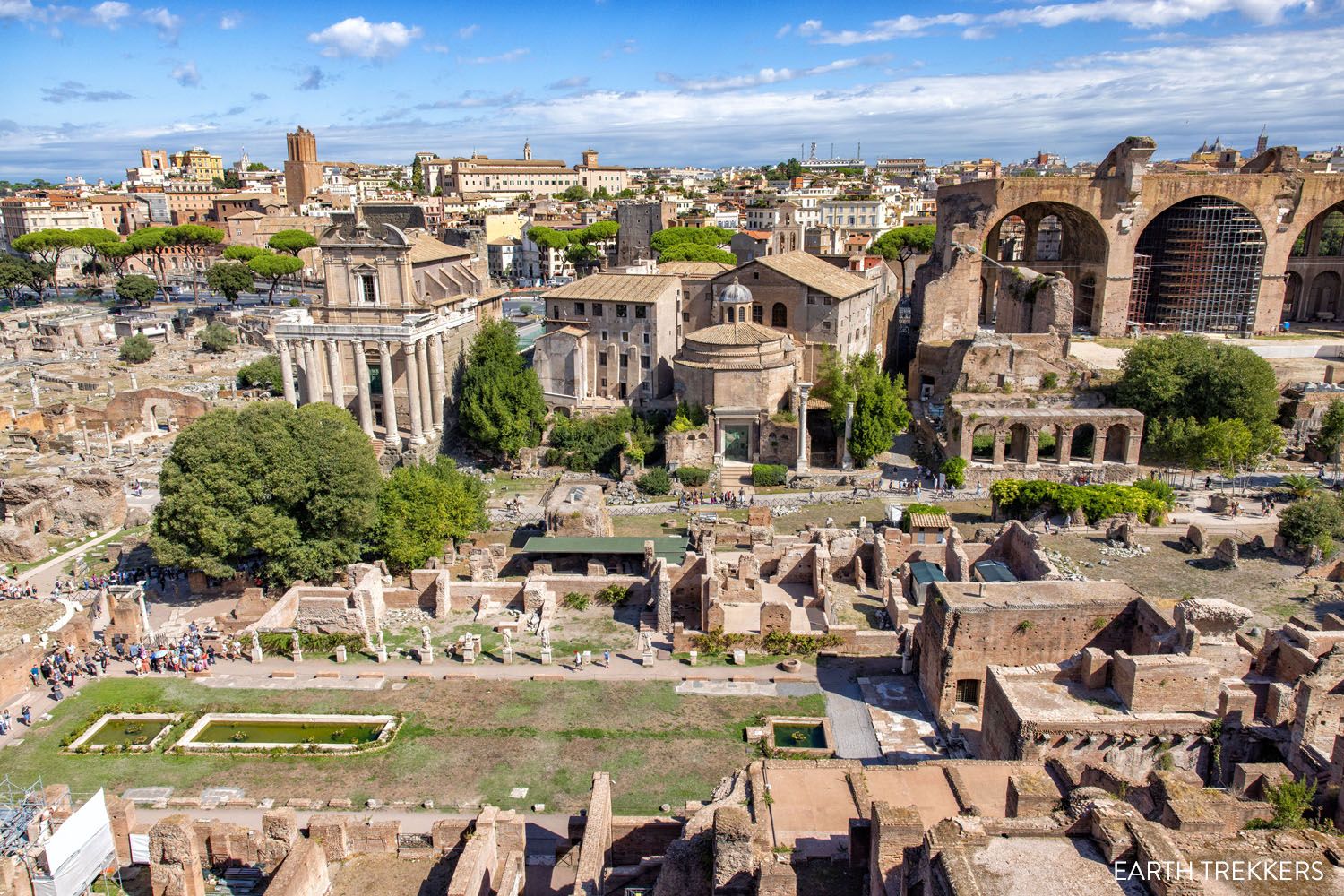
Roman Forum (view from Palatine Hill)
You can visit the Roman Forum on your own, take an audio guide tour (2 hours, €5), or take a guided tour of the Roman Forum and Palatine Hill (these are usually combined with the Colosseum).
Lunch
Just a short walk from the Roman Forum is La Prezzemolina. This highly rated restaurant serves Italian street food and pizza at budget-friendly prices.
Afternoon: Views of Rome
From La Prezzemolina, take a stroll along Via dei Fori Imperiali. This street runs between the Roman Forum and the Forum of Augustus and the Trajan Forum. Keep an eye out for Trajan’s Column, which was erected in 113 AD.
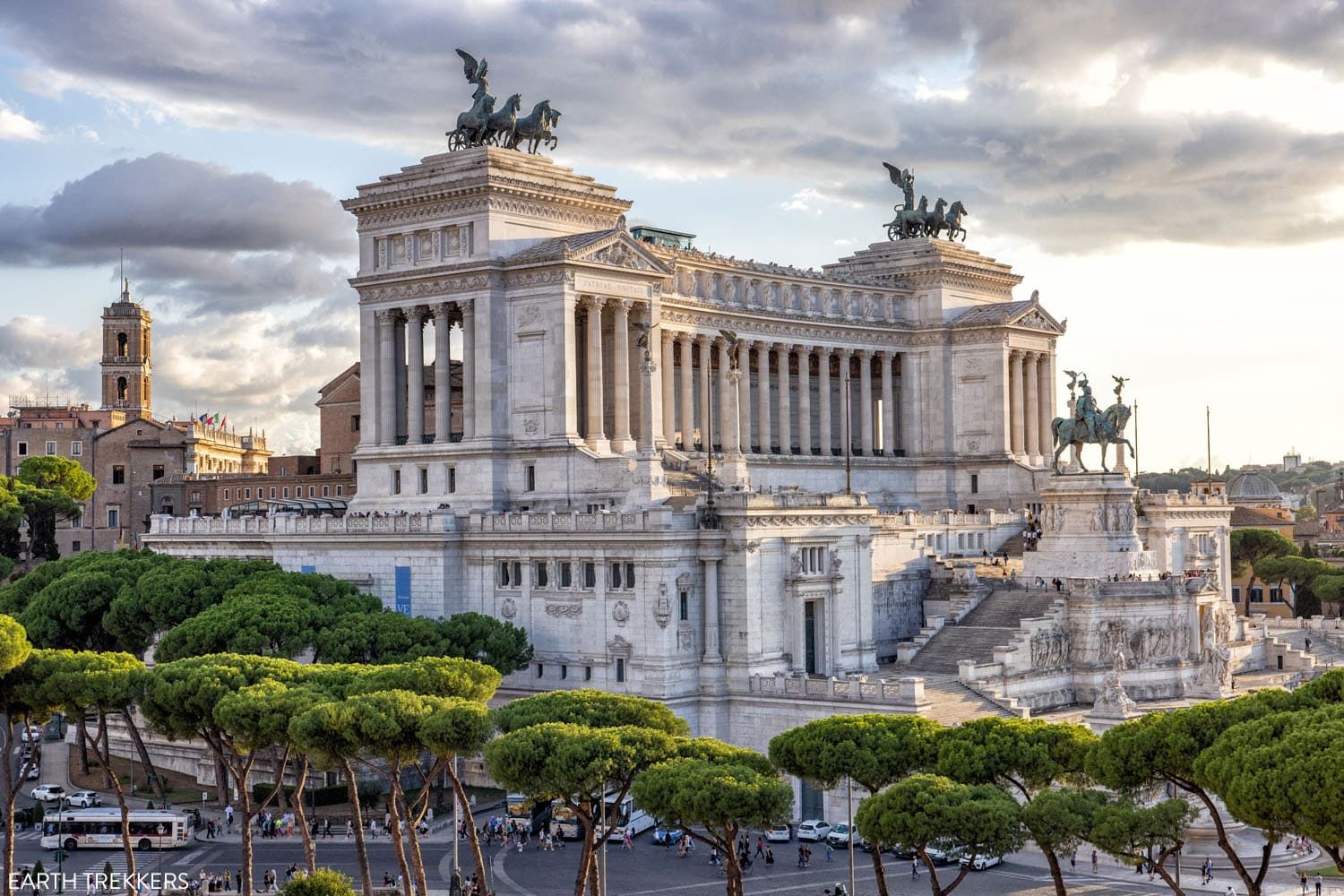
Via Fori dei Imperiali ends at Piazza Venezia. From here, you can climb the steps on the Altar of the Fatherland for one of the best views of Rome.
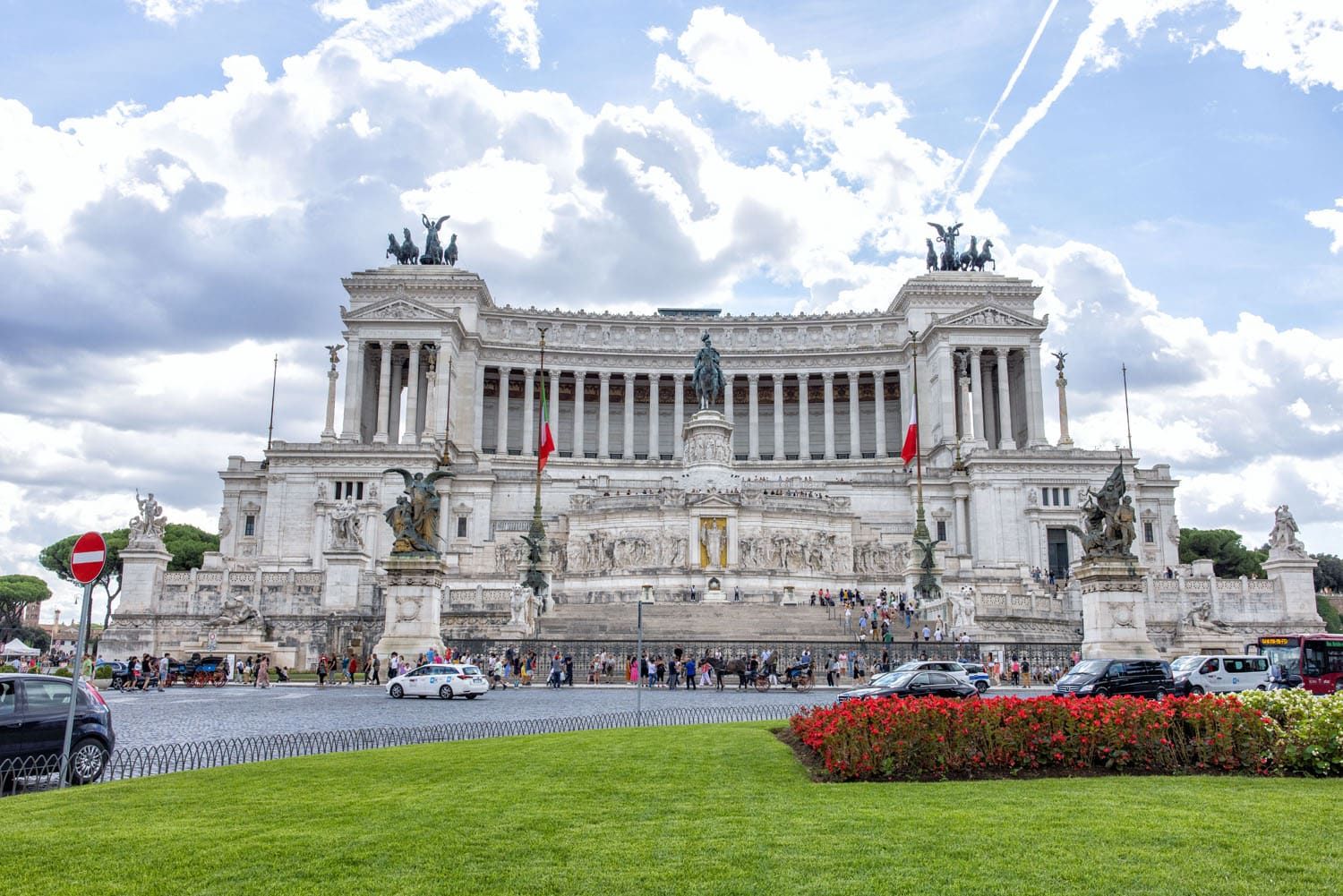
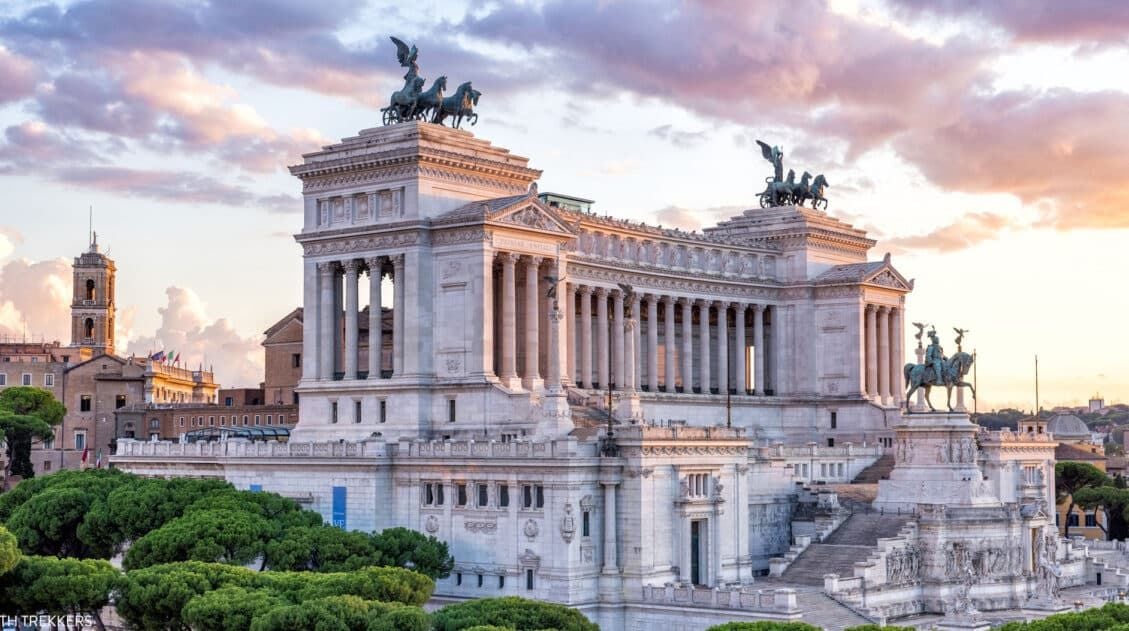
Altar of the Fatherland
For free, you can climb the series of staircases to the upper terrace and café. For the best view, ride the elevator (~€15) to the top of the monument for panoramic views of Rome. From here, you can see all of Rome’s major landmarks, including the Colosseum, St. Peter’s Basilica, Palatine Hill, and the Roman Forum.
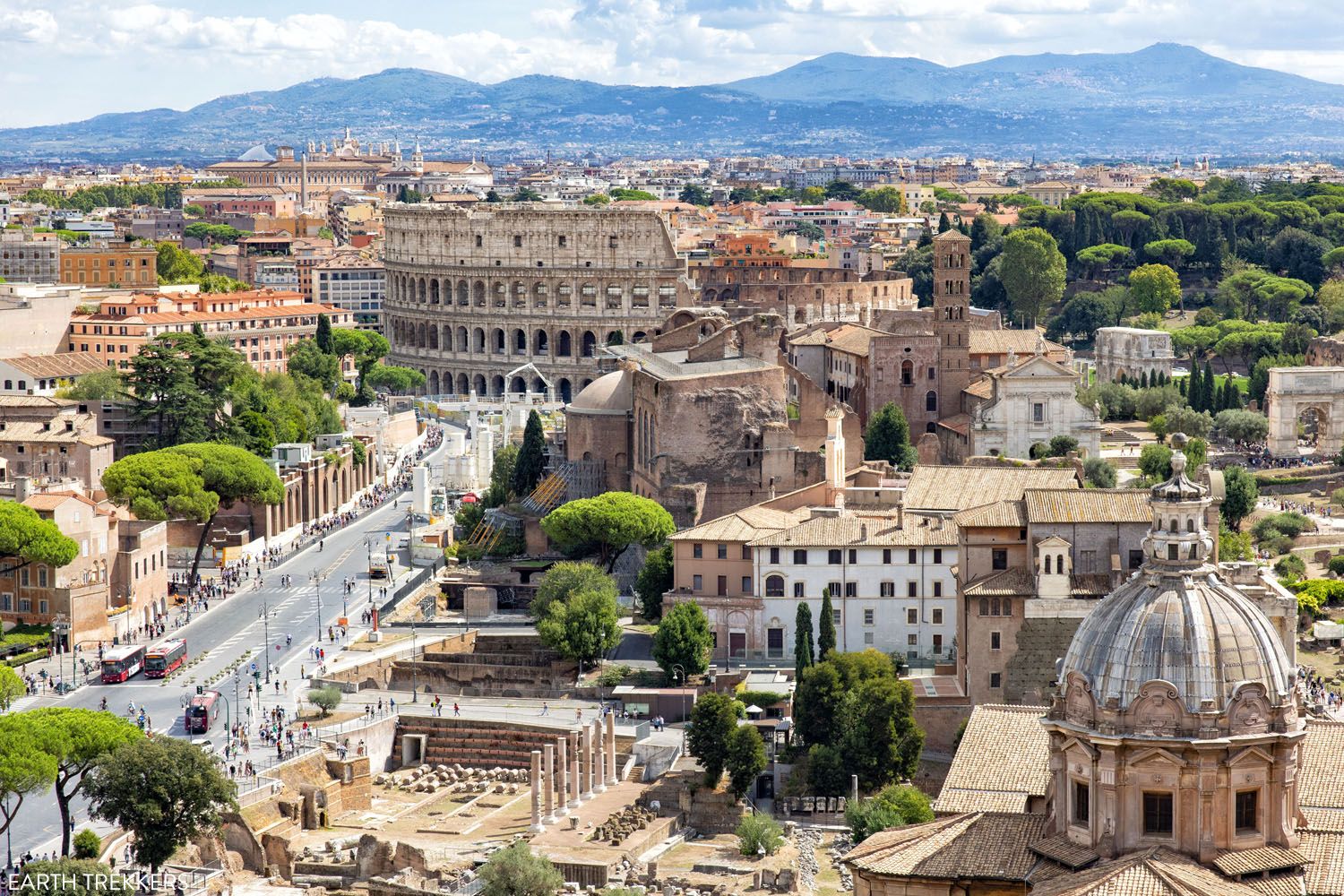
The view from Altar of the Fatherland
After your visit to the Altar of the Fatherland, it is a short walk to Capitoline Hill and Campidoglio Square. To get here from the Altar of the Fatherland, it is a 3-minute walk along Via del Teatro di Marcello. You will walk up a series of steps to get to Campidoglio, which is the square on Capitoline Hill. This square was designed by Michelangelo.
The Capitoline Museums are located inside of Palazzo dei Conservatori and Palazzo Nuovo. These museums contain works of art by Caravaggio, Rubens, and Tiziano. Be sure to see the equestrian statue of Marcus Aurelius (a copy of this statue sits in Campodoglio Square) and the original statue of the she-wolf suckling Romulus and Remus, called the Capitoline Wolf (a replica of this statue sits next to the Senatorial Palace).
For the best viewpoint of the Roman Forum from Capitoline Hill, walk between Palazzo dei Conservatori and the Senatorial Palace along Via del Campidoglio to Terrazza sul Foro for another great view of the Roman Forum.
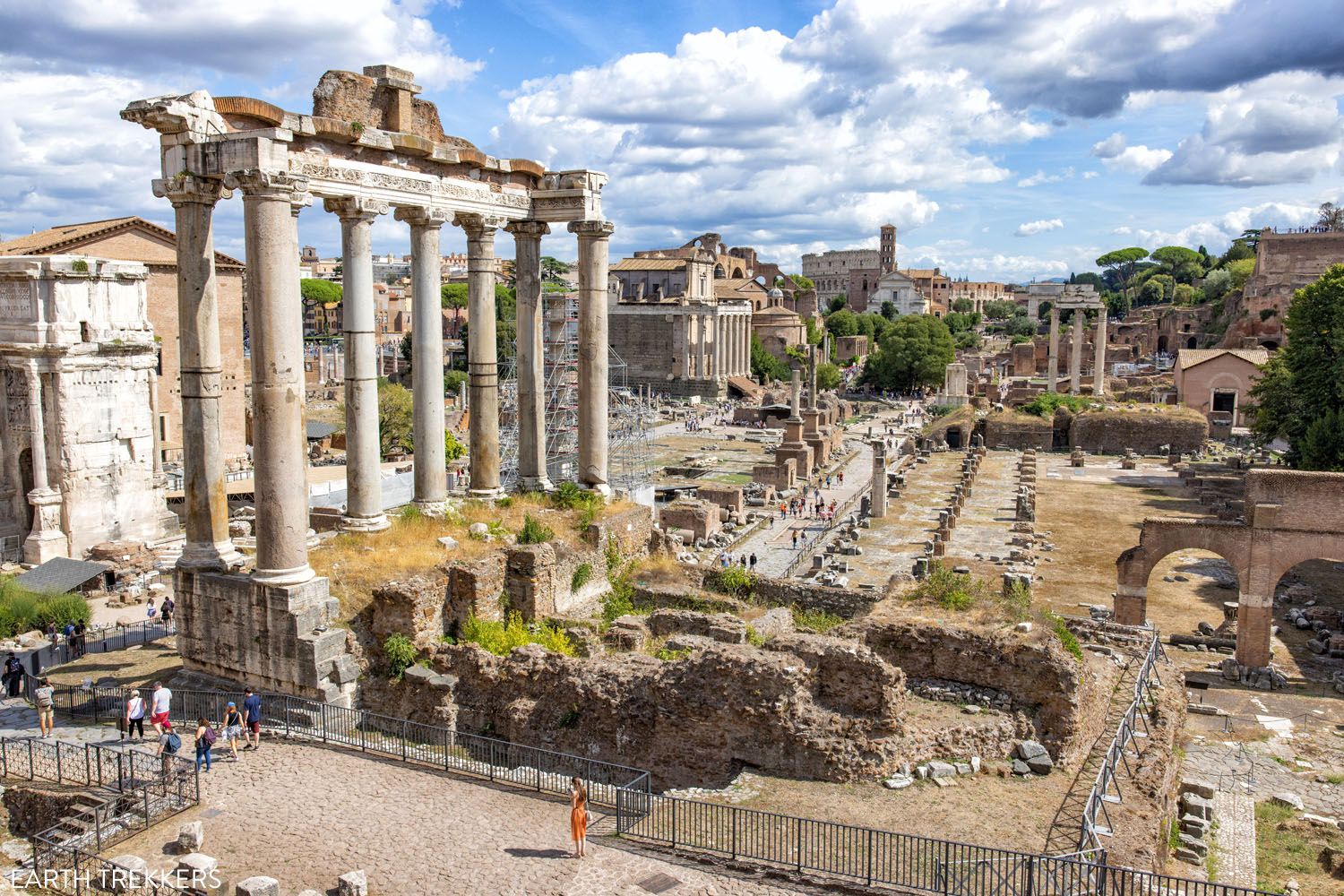
Roman Forum from Terrazza sul Foro
Evening: Aperitif at Oro Bistrot
Oro Bistrot is a rooftop bar that has a spectacular view of the Altar of the Fatherland and the Trajan Forum. They open mid-afternoon and you can have a drink here and then move on or stay for dinner (dinner does not start until 7 pm). Make a reservation in advance for drinks and dinner.
The view from Oro Bistrot
Dinner
You have the option to spend all evening at Oro Bistrot, or you can go to Trastevere. This neighborhood is filled with some of the best restaurants in Rome and it is a lovely area to explore. We recommend Nannarella, Enoteca Trastevere, and Trapizzino (make your reservations in advance, we have links to these restaurants on our Rome Restaurant Guide).
Day 3: Vatican City & Borghese Gallery
Overnight: Rome
Highlights: Vatican Museums, Sistine Chapel, St. Peter’s Basilica, Borghese Gallery
Morning: Vatican City
Vatican City is the smallest country in the world. In Vatican City, there are three big sites to visit: the Vatican Museums, the Sistine Chapel, and St. Peter’s Basilica.
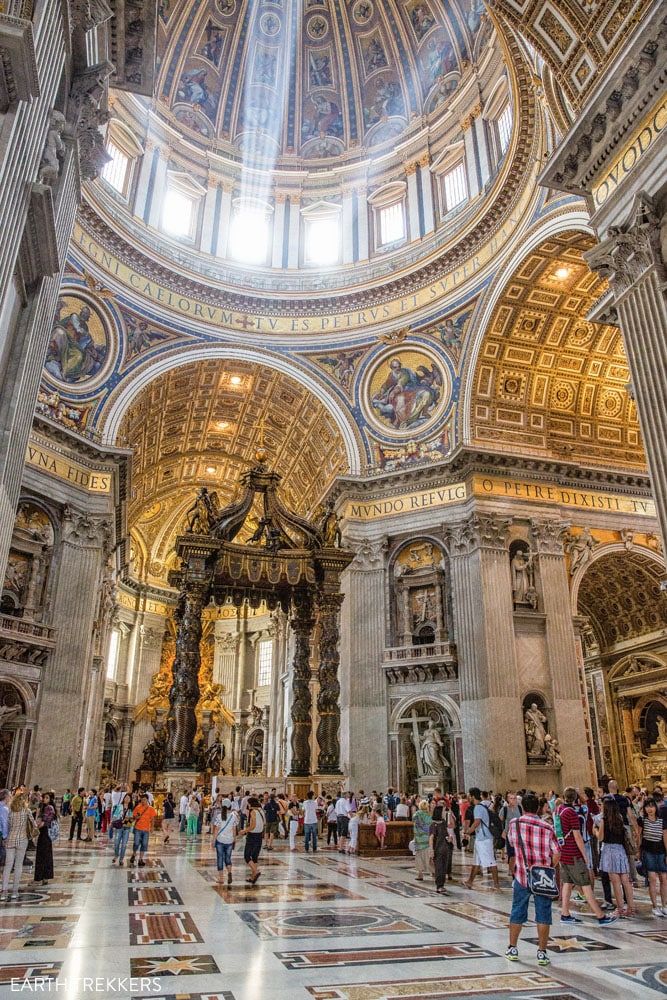
Inside St. Peter’s Basilica
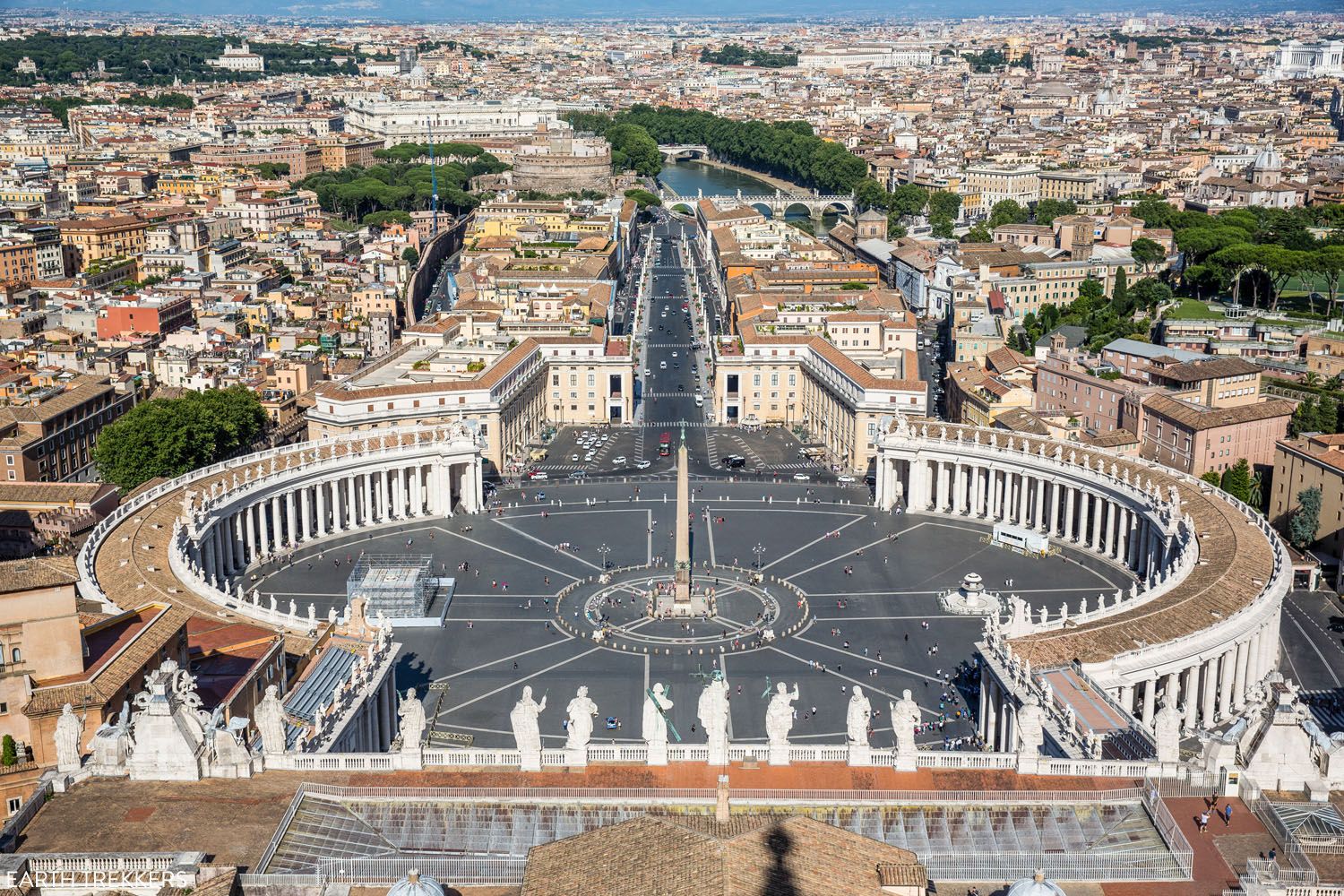
The view from the dome of St. Peter’s Basilica
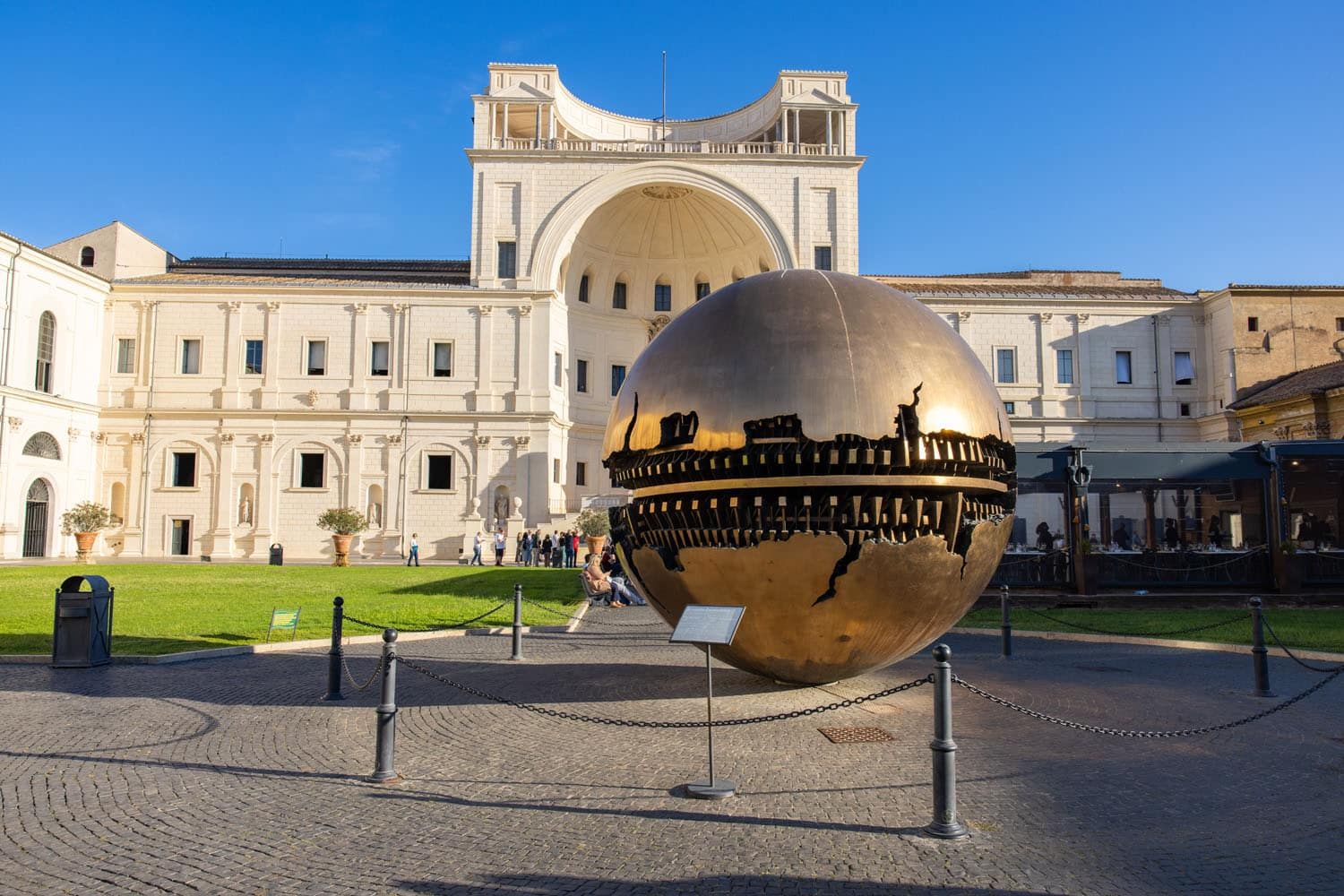
Pinecone Courtyard in the Vatican Museums
There are several ways to visit Vatican City. You can take a guided tour or visit it independently. We have visited Vatican City independently and on a tour. Taking a tour is more expensive but has several advantages.
Taking a tour is much more educational, as a knowledgeable guide will teach you about important sights within the museums and concentrate on the most important things to see. Some tours take you right from the Sistine Chapel into St. Peter’s Basilica, which can save you a lot of time (you get to skip the line into St. Peter’s Basilica). Yes, a tour is more expensive, but skipping that line is well worth the extra money.
Here are three different ways to plan your visit to Vatican City:
BEST OPTION: Early morning guided tour of Vatican City. The Vatican Museums open at 9 am. On an early morning tour, you enter at 8 am, which allows you to see part of the museums with very low crowds. Some tours will take you directly into St. Peter’s Basilica via the tunnel from the Sistine Chapel, which bypasses the enormous line to enter the cathedral. An early morning tour is pricier (on average you will spend about €80 to €135 per person), but it is an all-around better experience. We recommend this early morning tour (it is with the same tour company we used).
CHEAPEST OPTION: Between 7:30 am and 8 am, go first to St. Peter’s Basilica. This early in the day, there should be little to no line to enter the cathedral. Once inside, do the dome climb first, then visit the rest of the cathedral (learn more about what to see and do in our Guide to Vatican City). After the basilica, visit the Vatican Museums (book tickets for a 10 am entry, and do this several weeks before your visit). You will tour the museums and Sistine Chapel on your own, without a guide. The museums will be busy so be prepared for some crowds.
GUIDED TOUR: The early morning tours of Vatican City are expensive, since you are paying for early access. You can save some money and still take a guided tour by choosing a tour that starts at 9 am, which is opening time of the museums. This tour gets nothing but stellar reviews and includes the Vatican Museums, Sistine Chapel, and St. Peter’s Basilica.
For more information about Vatican City, check out our detailed guide to the Vatican Museums and St. Peter’s Basilica, where we cover what you need to know to plan your visit, including if a tour is worth it, how to avoid the lines, plus information about the “secret rooms” in the Vatican.
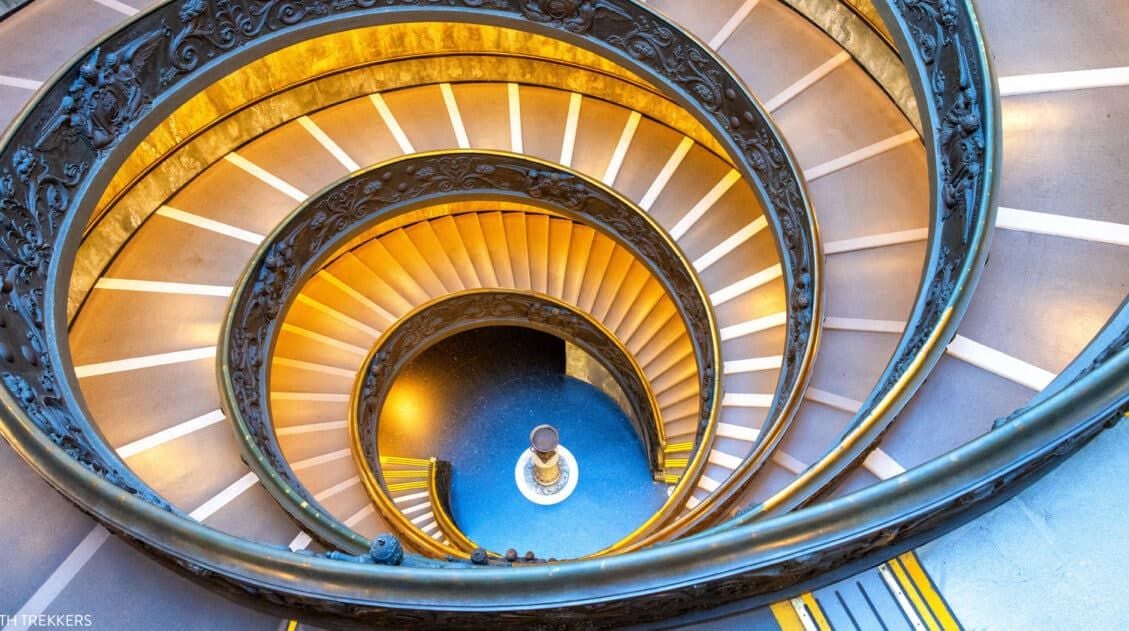
How to Visit the Vatican Museums & St. Peter’s Basilica
In this guide, we cover hours, pricing, and helpful tips for your visit. You also have the option to add on the “secret rooms” of the Vatican, such as the Cabinet of Masks, and we cover these as well.Tours & Tickets
Afternoon: Borghese Gallery
In the afternoon, visit the Borghese Gallery, one of the best art museums in the world.
To get here, you can ride the metro, take a taxi, or go on a scenic walk along the Tiber River and through the Villa Borghese Gardens. On this walk, you will pass Castel Sant’Angelo, several outstanding viewpoints of Castel Sant’Angelo and Vatican City, and of Piazza del Popolo. This walk from St. Peter’s Square to the Borhgese Gallery is 4 km/2.5 miles. Get the full details in our 2 Days in Rome Itinerary.
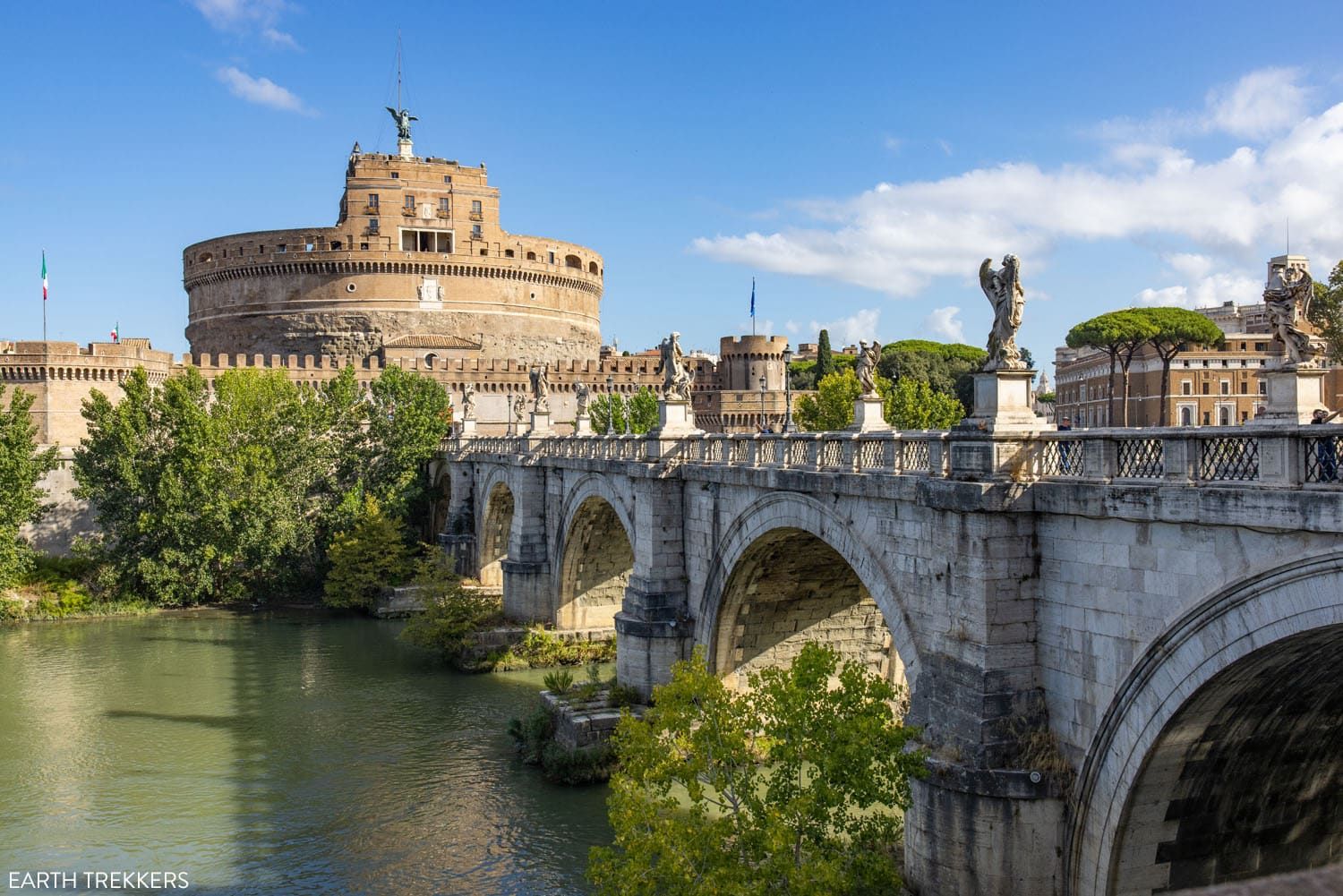
Castel Sant’Angelo and Ponte Sant’Angelo
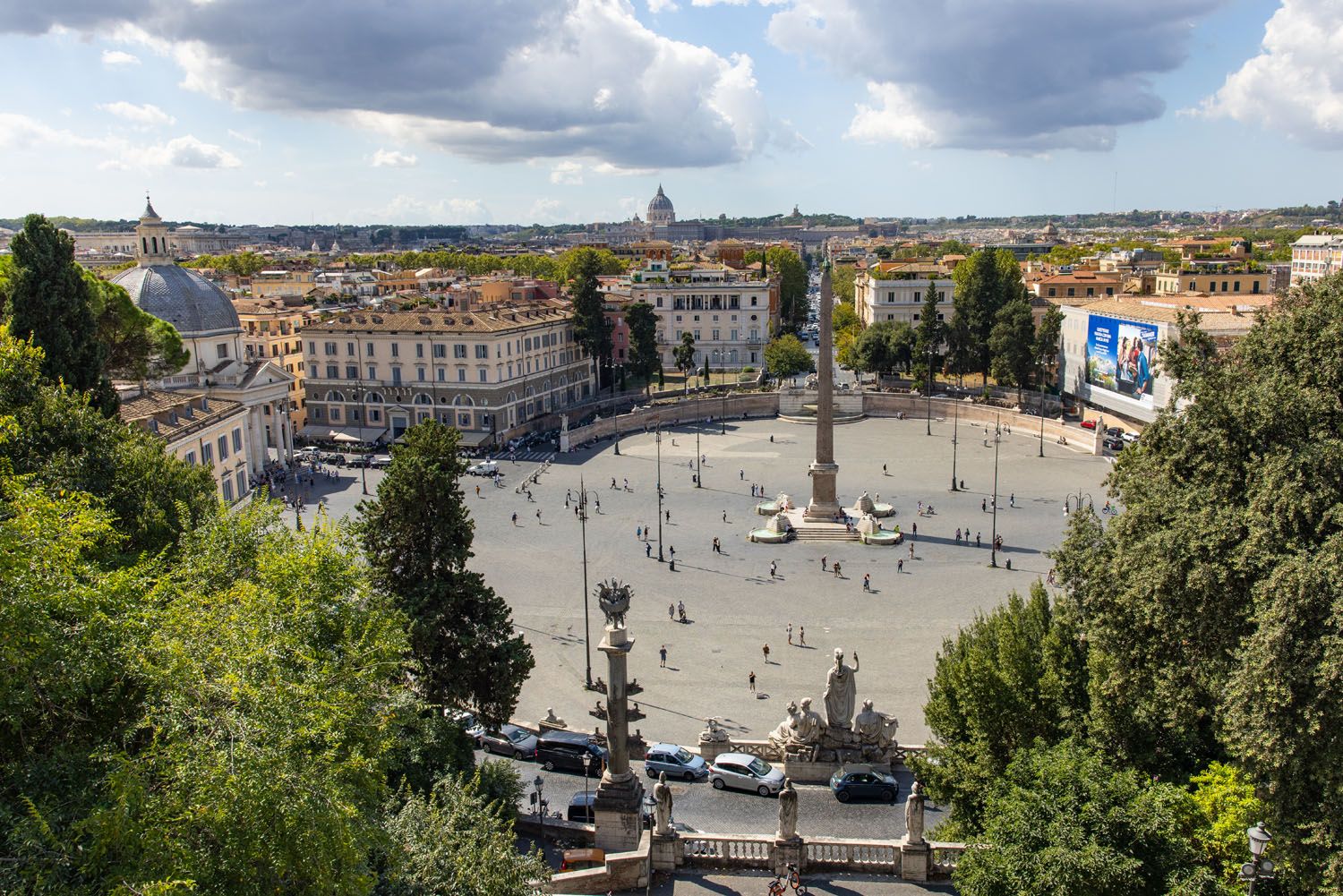
Piazza del Popolo
The Borghese Gallery contains one of the best collections of art in the world. See works of art by Raphael, Caravaggio, Titian, and Bernini. Even the building is a sight to see.
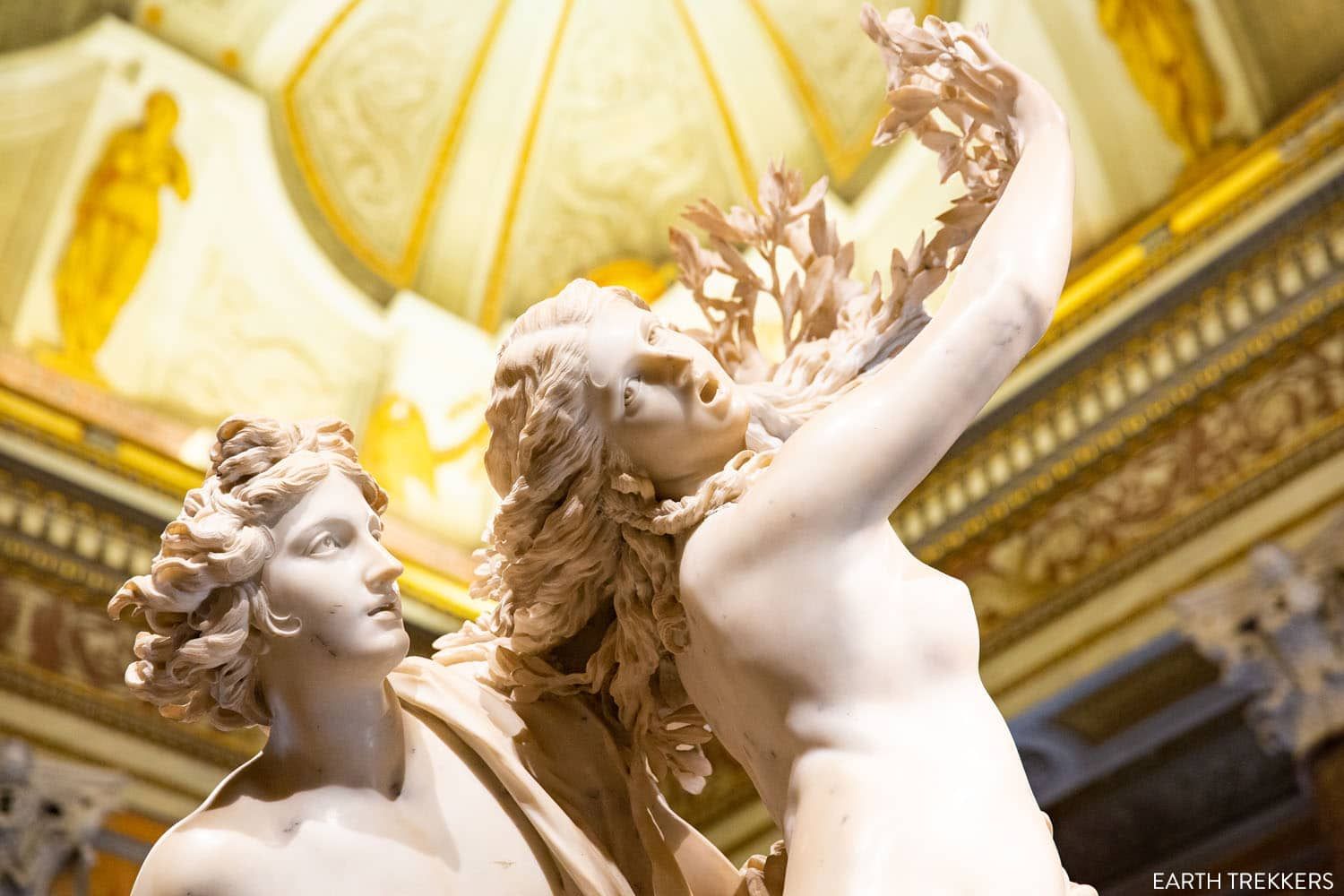
Borghese Gallery
How to Visit the Borghese Gallery
You can only visit the Borghese Art Gallery with a reservation. Reservations can be made up to 3 months in advance. Reservations are made for two-hour time slots, starting at 9 am, and the last time slot is at 5 pm.
You can make your reservation online or call +39 06 32810. There is a €2 fee for making online reservations. Tickets can also be purchased through GetYourGuide, which includes a guided tour of Borghese Gardens. This is a great option if you want to visit the museum with a guide or where unable to purchase tickets on the official website.
Collect your tickets a half an hour before your time slot. For a 3 pm reservation, plan on arriving no later than 2:30 pm. If you arrive late, even 5 minutes late, they may turn you away. We saw this happen to other people who arrived late for their reservation.
Hours: 9 am – 7 pm
Closed Mondays
Cost: €16, prices can increase during special exhibits, +€2 reservation fee
Website: www.galleriaborghese.cultura.gov.it
Nearest Metro Station: Barberini
Note: We’ve had issues with the official website timing out. If you have the same problem, it might be best to book your tickets through GetYourGuide.
Late Afternoon/Evening
After your visit to the Borghese Gallery, you can visit the Crypt of the Capuchin Friars (in several small chapels underneath the church of Santa Maria della Concezione dei Cappucchini are the skeletal remains of almost 4,000 Capuchin friars), visit another rooftop bar in Rome for pre-dinner drinks with a view, or visit Trastevere, if you did not do that yesterday.
Day 4: Pompeii & Sorrento
Overnight: Sorrento
Highlights: Pompeii archaeological site, arrival in Sorrento
Transportation: High-speed train Rome to Naples (70 minutes); Campania Express or Circumvesuviana from Naples to Pompeii Scavi (36 minutes); Circumvesuviana from Pompeii to Sorrento
Rome to Pompeii
Today you leave Rome and make your way south, stopping at Pompeii en route to your base for the next three nights.
From Rome Termini, take the high-speed train to Naples Centrale (about 70 minutes). From Naples, transfer to either the Campania Express or the Circumvesuviana train toward Sorrento and get off at Pompeii Scavi station (36 minutes). The Campania Express is the better option — it’s more comfortable and less crowded than the Circumvesuviana, which can feel chaotic, particularly in peak season. For full logistics on this leg, read our guide to how to visit Pompeii while traveling between Rome and Sorrento.
Store your luggage in the luggage storage facility at the lower level of Pompeii Scavi station before heading into the site.
Visiting Pompeii
Pompeii is one of the most remarkable archaeological sites in the world. An entire Roman city is preserved under volcanic ash from the 79 AD eruption of Mount Vesuvius. It’s vast, covering more than 150 acres of ancient streets, homes, temples, bathhouses, and public spaces, and it rewards time and context.
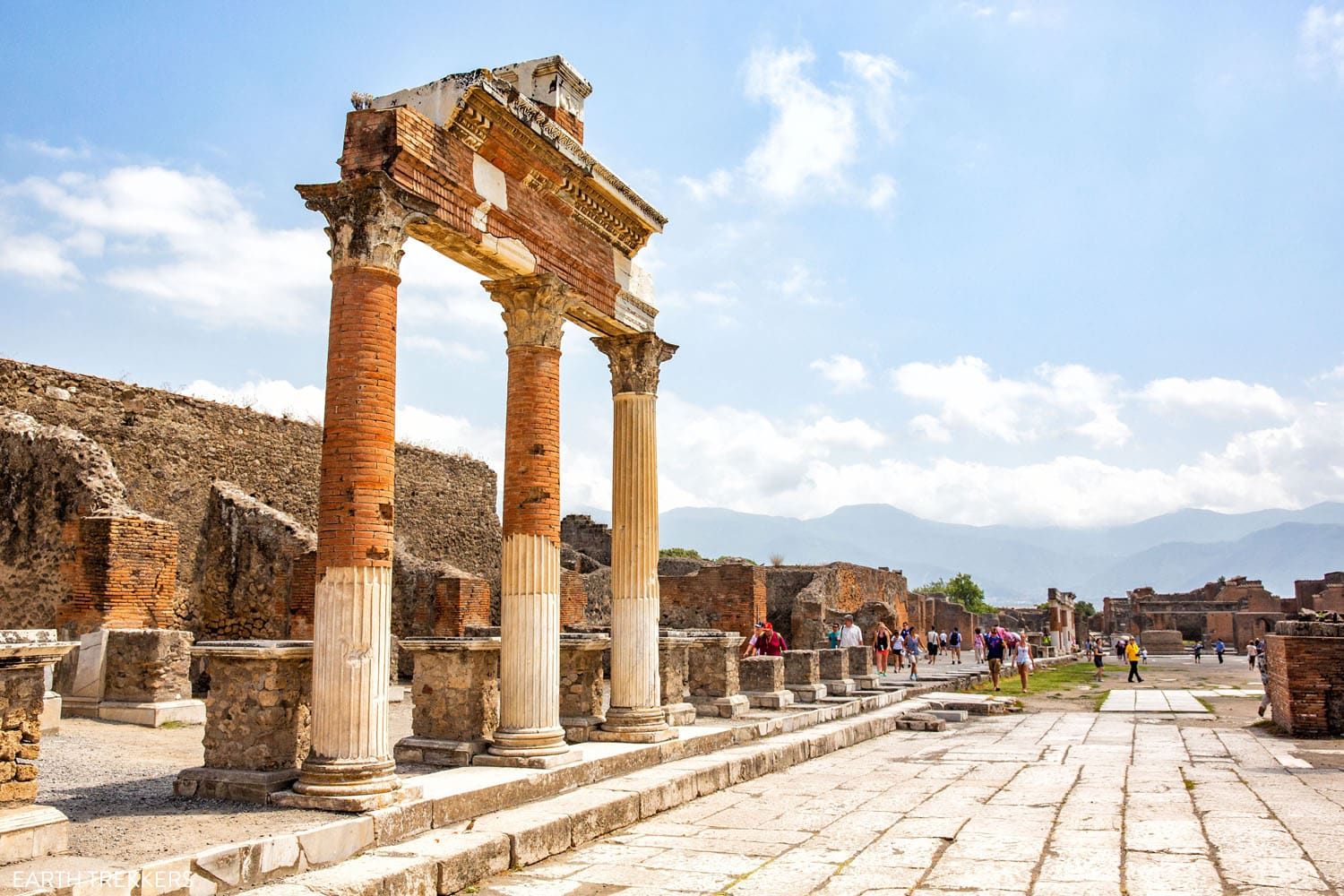
We visited Pompeii on our own and wandered without a guide and I regret that now. We would have gotten so much more out of the experience with an expert leading the way. We strongly recommend joining a guided tour. On a small group tour with an archaeological guide, you’ll understand what you’re looking at, cover the highlights efficiently, and leave with a real sense of how the city functioned. A guided tour also typically includes skip-the-line access.
🎟️ Ticket Prices: €20 per adult for the standard Pompeii Express ticket (entrance to the archaeological city). Tickets are nominative so you must book in advance at vivaticket.com and bring ID. Daily visitor numbers are capped and peak season slots fill up.
After touring Pompeii, collect your luggage from the station and board the Circumvesuviana train to Sorrento. You’ll most likely arrive mid to late afternoon.
Arriving in Sorrento
Sorrento is your home base for the next three nights. Check into your hotel, stroll along the marina, have dinner, and try the limoncello, the local specialty and something the town does exceptionally well.
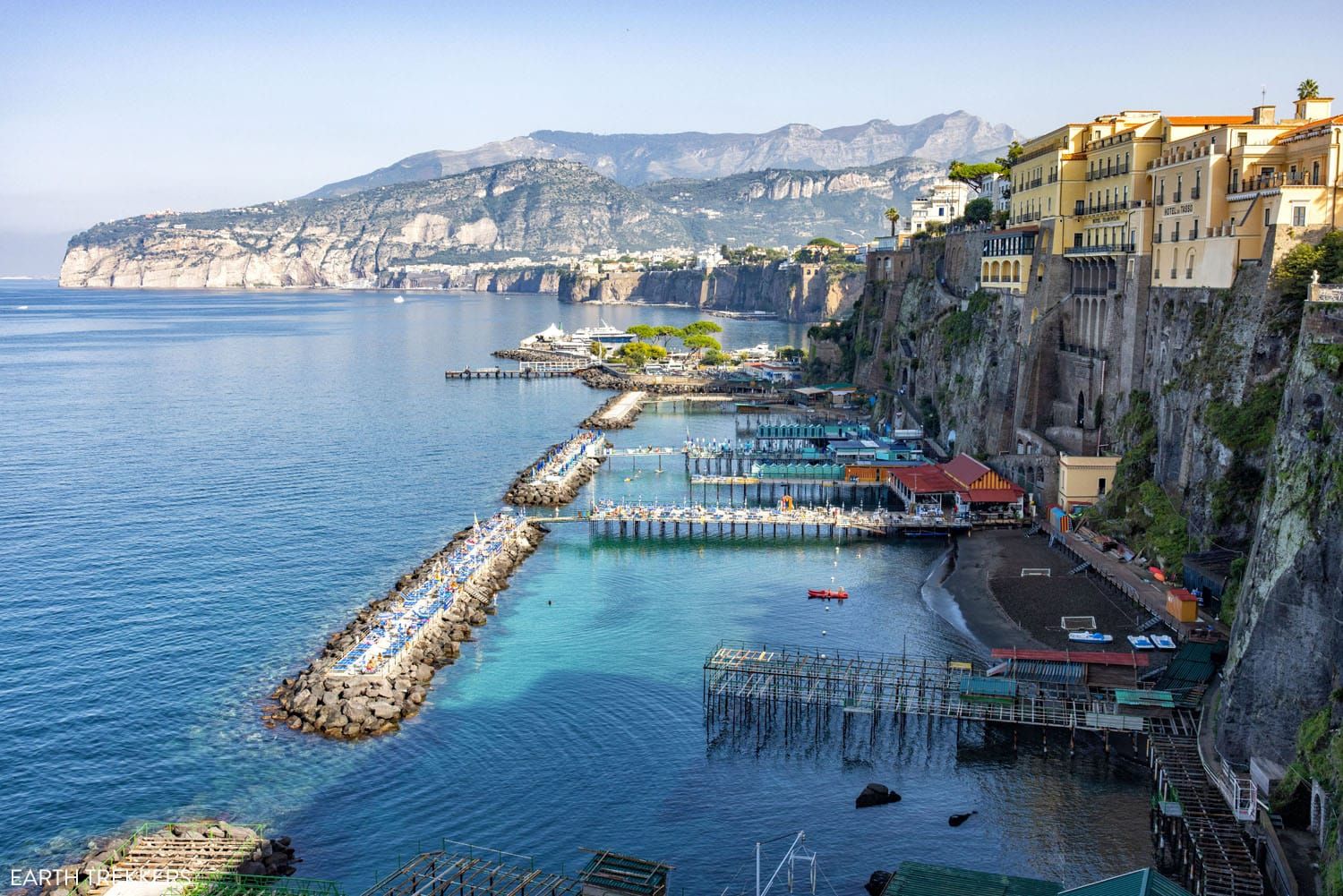
Sorrento
Where to Stay
The best place to stay is Sorrento. This town has many hotels and restaurants to choose from. Plus, it has easy access to the ferry to Capri, the Campania Express and Circumvesuviana train, and to the buses the travel to the Amalfi Coast.
Alternatively, you can also stay in a town like Positano or Amalfi. These smaller towns are beautiful but it will be more challenging to get here and arrange your day trip to Capri.
You will stay in this area for 3 nights. For hotel recommendations, take a look at our Sorrento and Amalfi Coast Hotel Guide ↓
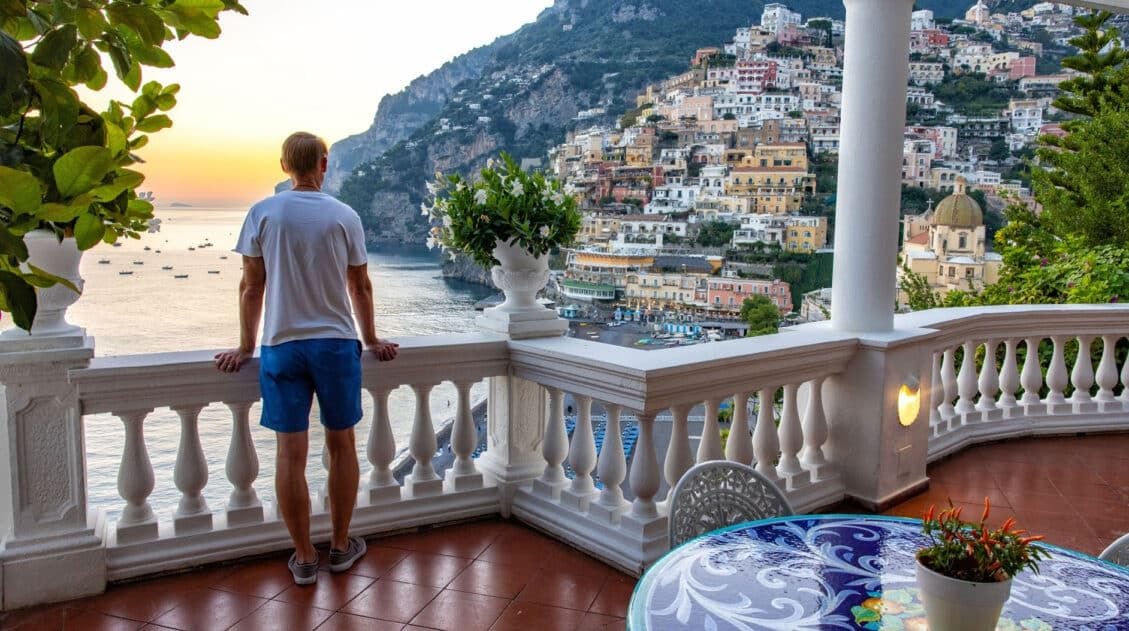
Where to Stay on the Amalfi Coast & Sorrento
Where to stay on the Amalfi Coast, organized by location and budget.Day 5: Day Trip to Capri
Overnight: Sorrento
Highlights: Blue Grotto, boat tour, Capri town, Anacapri
Transportation: Ferry from Sorrento to Capri (approximately 20–25 minutes)
Capri is one of those places that lives up to the hype and then some. We’ve been twice, once in peak season with the kids and once in October as a couple, and both visits left a strong impression despite how different they were. July is spectacular and absolutely packed; October is quieter, more local, and in some ways more beautiful. Either way, Capri earns a full day.
The ferry from Sorrento is your easiest access point and runs frequently throughout the day. Take an early departure to maximize your time on the island and beat the day-tripper crowds that build by mid-morning.
Once you arrive, the island divides naturally into two areas: Capri town, with its famous Piazzetta, high-end shopping, and sweeping coastal views, and Anacapri, the quieter hilltop village with access to the Monte Solaro chairlift and some of the island’s best panoramas.
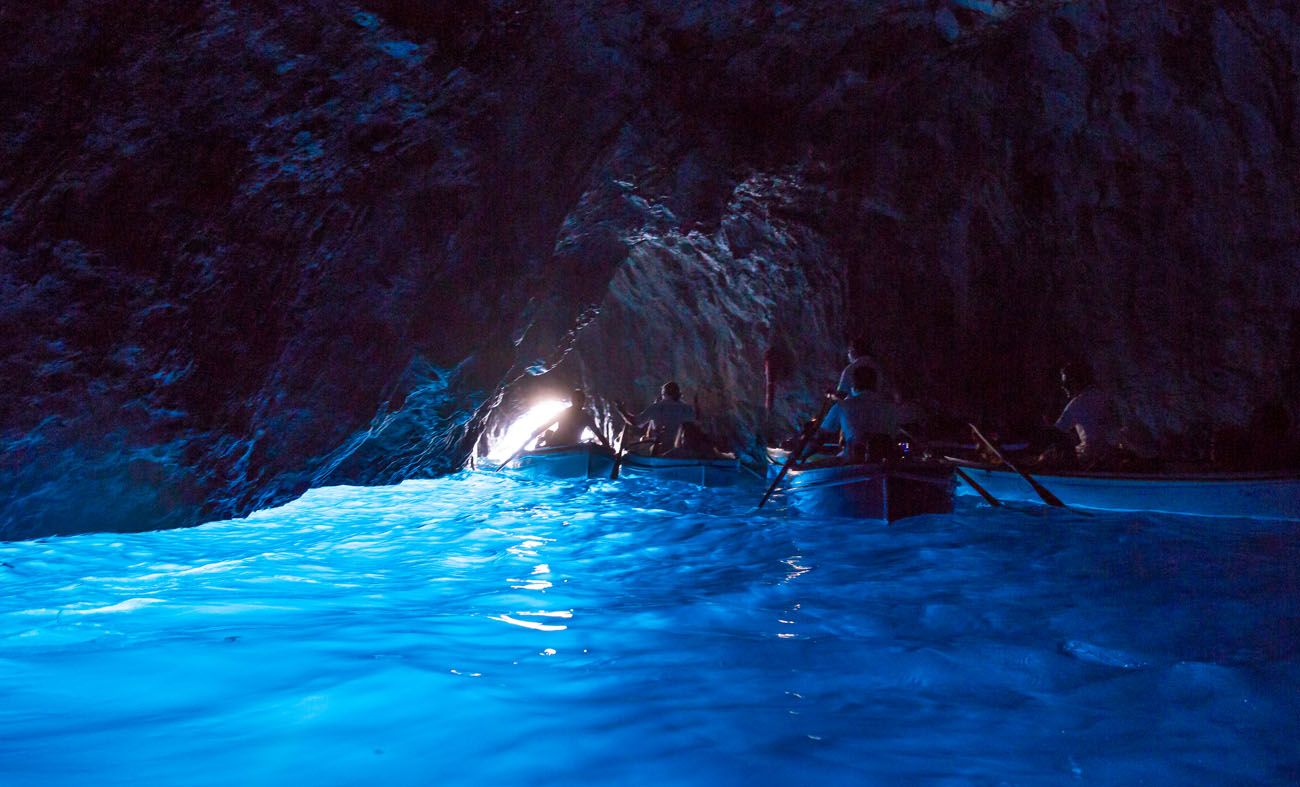
Blue Grotto
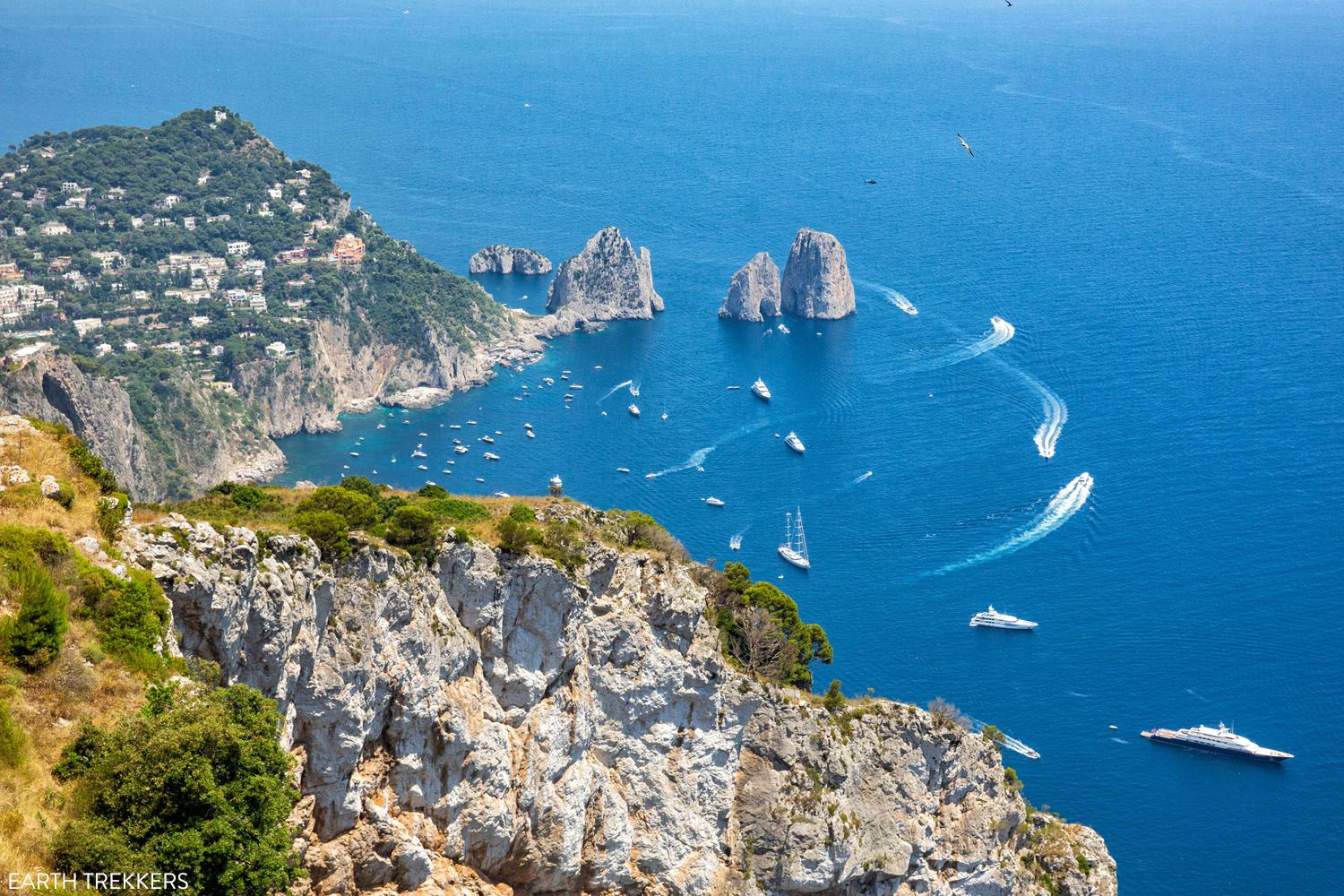
The view from Monte Solaro
The Blue Grotto is the question everyone asks about. The short answer: it depends on your tolerance for crowds and the conditions on the day. We have a full breakdown in our guide to whether the Blue Grotto is worth it to help you decide.
For everything else, from how to get around the island, what to do, where to eat, and how to structure your day, our One Day in Capri guide covers it all. We also have a complete list of the best things to do in Capri if you want to go deeper on any particular part of the island.
Day 6: Amalfi Coast
Overnight: Sorrento
Highlights: Positano, Amalfi, Ravello
Transportation: Ferry, private driver, or bus from Sorrento
The Amalfi Coast is one of the most dramatic stretches of coastline in the world, with cliff-hugging roads, pastel-colored villages stacked above impossibly blue water, and views that make you stop mid-sentence.
We’ve visited twice, once in July and once in October, and the contrast was striking. July was spectacular but absolutely relentless with crowds. Visiting the Amalfi Coast in October was a completely different experience: far fewer people, the water still warm, the towns genuinely relaxed. Both visits were worth it.
The three towns worth anchoring your day around are Positano, the most photogenic and most visited of the three; Amalfi, the historic maritime republic with its cathedral and busy waterfront; and Ravello, perched high above the coast with gardens and views that feel like a different world entirely. If you’re short on time, prioritize Positano and Amalfi and treat Ravello as a bonus if the pace allows.
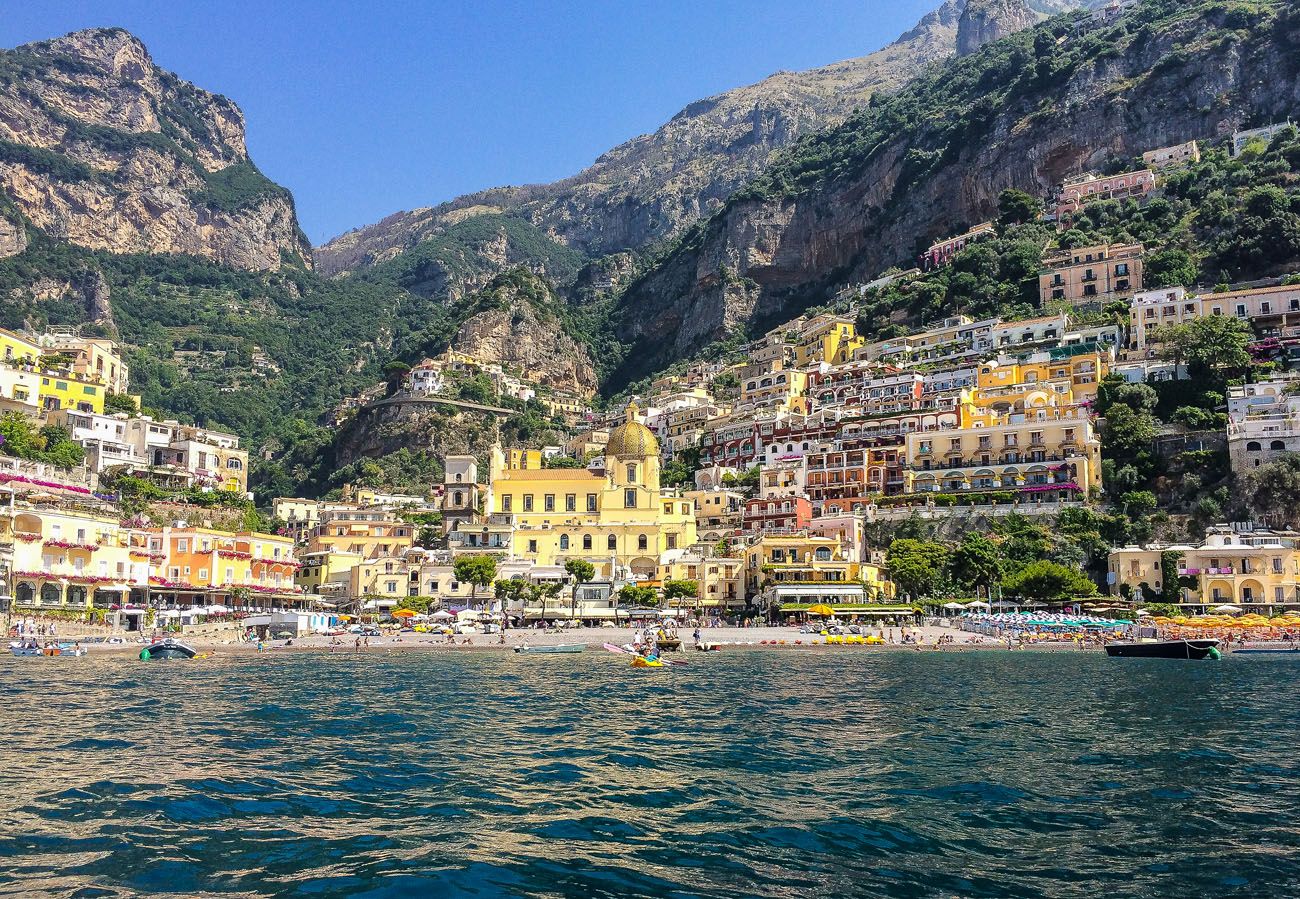
Kayaking in Positano
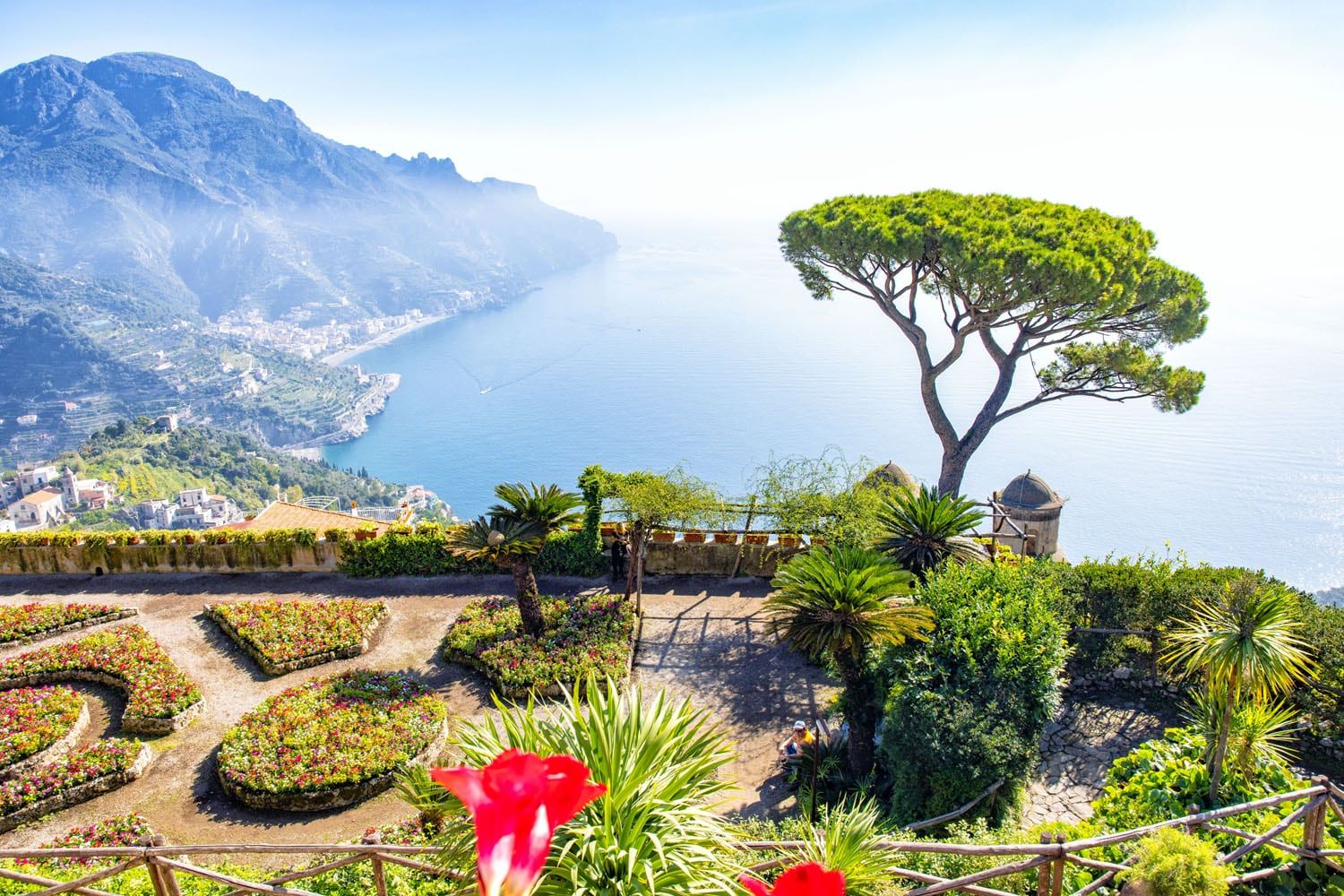
Ravello
GETTING AROUND: The ferry is our top recommendation for getting around. It’s scenic, efficient, and takes all the logistics off your plate. A private driver is an excellent splurge if your budget allows, particularly if you want flexibility on timing. The public bus covers the route and works fine for budget-conscious travelers, but be prepared for tight roads, slow going, and standing-room-only conditions in peak season. We took the bus on our first visit and had a genuinely miserable experience (buses are notoriously late, crowded, and get stuck in traffic). Self-driving the coast in peak season is best avoided; the road is narrow, parking is nearly impossible, and there are restrictions in place.
Visiting the Amalfi Coast
For the full breakdown of how to get around, read our Amalfi Coast transportation guide. If you’re considering driving, our Amalfi Coast driving guide covers exactly what to expect if you’re considering renting a car. And for ideas on what to do, take a look at our guide to the Best Things to Do on the Amalfi Coast.
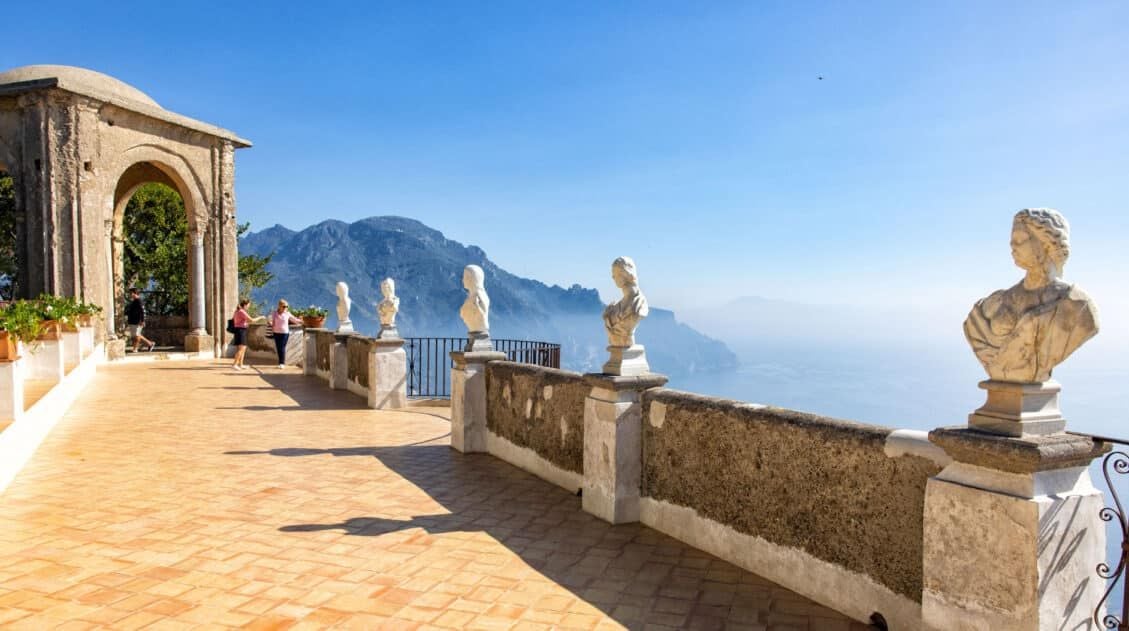
15 Best Things to Do on the Amalfi Coast of Italy
Pinterest Facebook Flipboard What do you look for when picking the perfect vacation spot? Beautiful beaches? Charming towns to explore? Shopping? Restaurants with a view? Colorful sunsets? Romance? What if I told you that you could get all of these in one place…the Amalfi Coast. In this article, learn about the best things to do […]
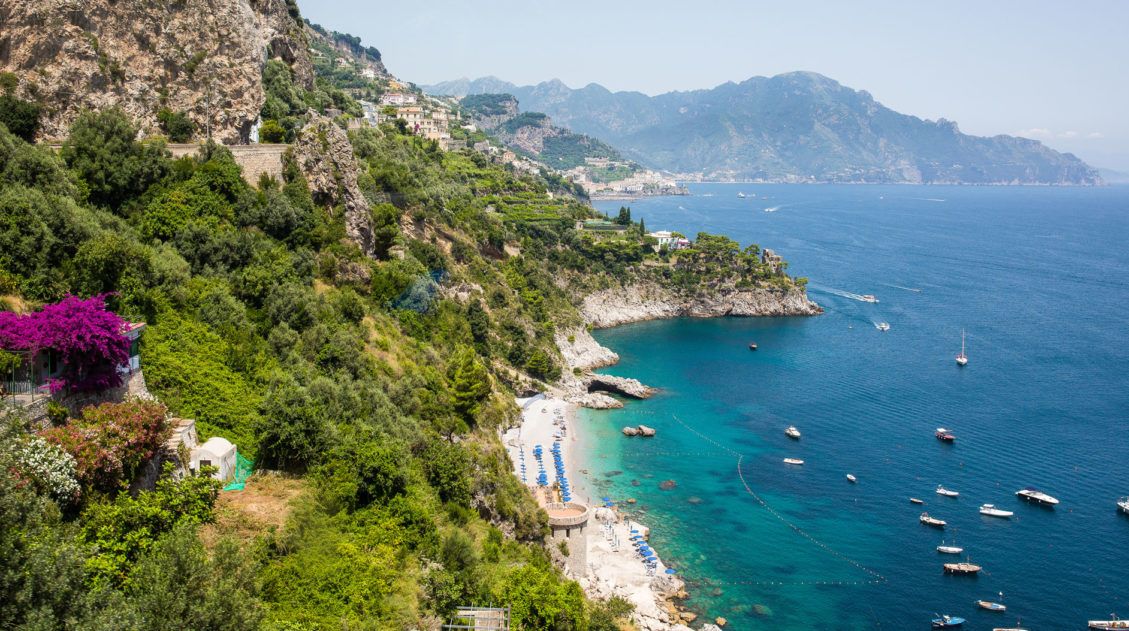
Best Way to Get Around the Amalfi Coast: Car, Bus, Boat, or Tour
If you are planning a visit to the Amalfi Coast, one of the biggest questions you may have is “what is the best way to get around the Amalfi Coast?” The answer to this question depends on what time of the year you will be here, what do you plan to do on the Amalfi […]
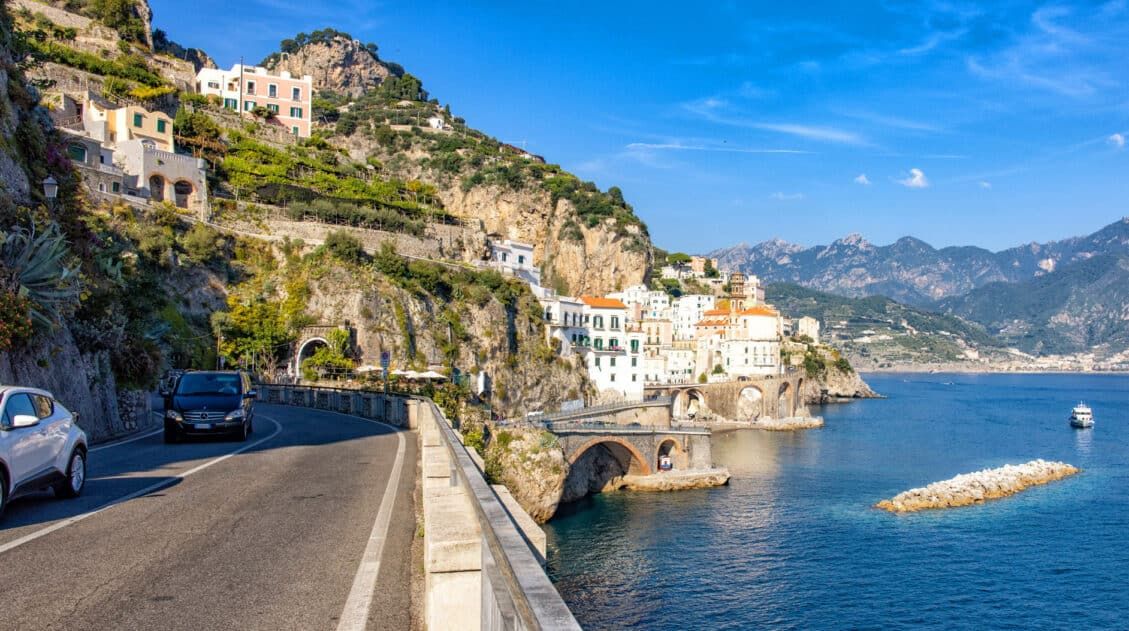
Driving the Amalfi Coast: What’s It Like & Is It a Good Idea?
Driving the Amalfi Coast is popular bucket list experience. To drive this winding road, past dramatic coastal cliffs, some of the most beautiful towns in Italy, and famous beaches, it sounds like a wonderful thing to do. But does driving the Amalfi Coast live up to the hype? We drove the entire length of Amalfi […]
Day 7: Sorrento to Florence
Overnight: Florence
Highlights: Travel day, Duomo dome climb, exploring the city
Transportation: Campania Express or Circumvesuviana from Sorrento to Naples Centrale; high-speed train Naples to Florence (3 hours)
Morning: Travel to Florence
This morning you leave the Amalfi Coast behind and head north to Florence.
From Sorrento, take the Campania Express (the more comfortable, less crowded option) or the Circumvesuviana to Naples Centrale. From Naples, it’s a three-hour high-speed train ride to Florence, and it’s a beautiful one. The final hour through Umbria and Tuscany is genuinely scenic, with rolling hills, hilltop towns, and cypress-lined roads sliding past the window. It’s one of those train journeys that makes you glad you’re not driving.
Afternoon: Explore Florence
Get settled into your hotel and then spend the afternoon in the city. Florence rewards wandering, and your first few hours here can simply be that: getting your bearings, finding a café, feeling the city, or relaxing at one of Florence’s rooftop bars.
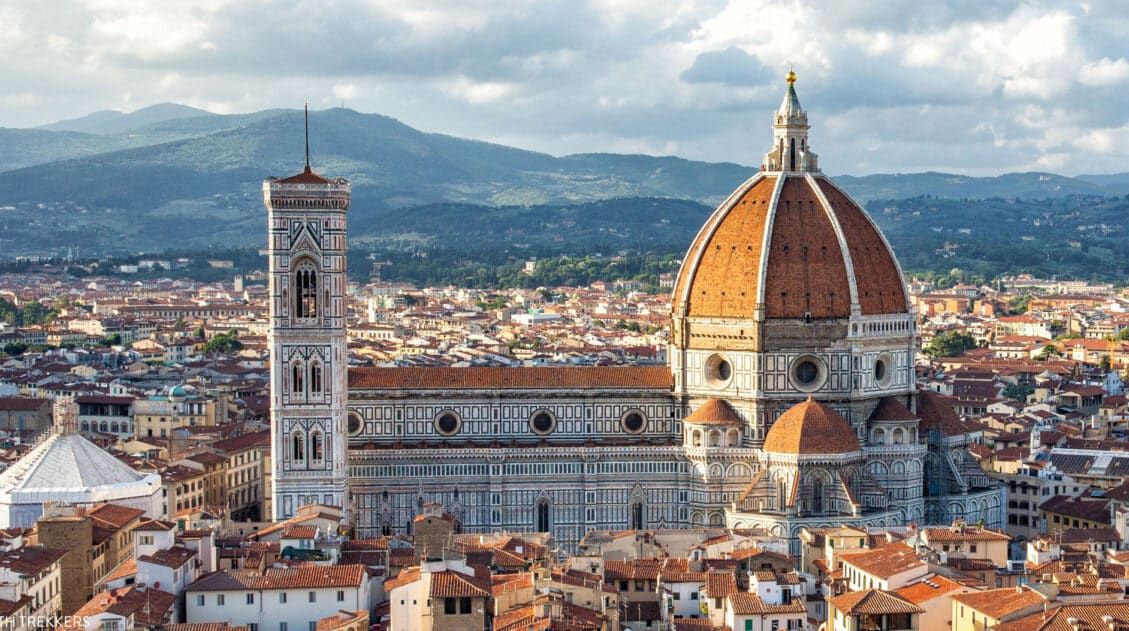
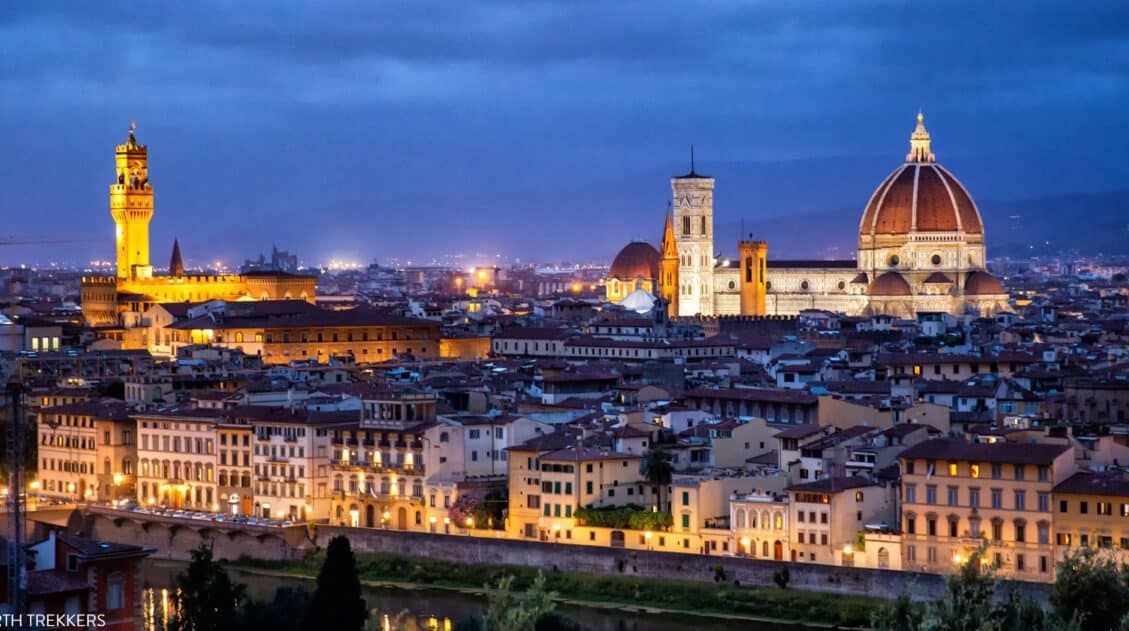
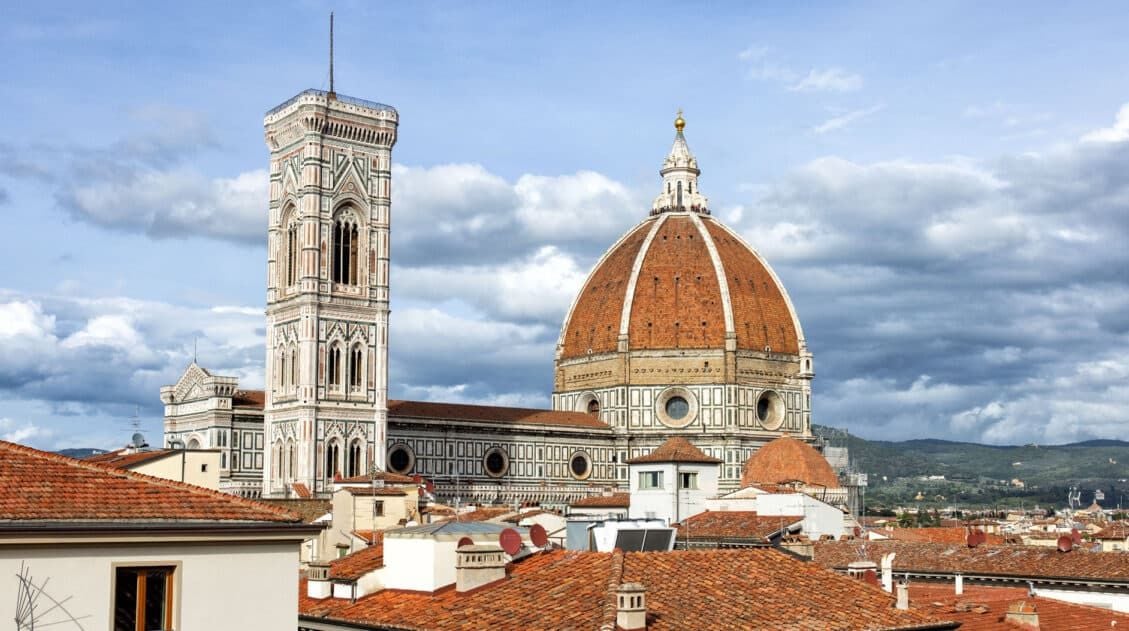
That said, if you have the energy, the best use of your first Florence afternoon is the Duomo. Climbing the 463 steps to the top of Brunelleschi’s dome is one of the great experiences in Florence. We’ve done it twice and the views over the city and surrounding hills are unforgettable. Reservations are mandatory and time slots sell out days in advance, so book as soon as you know your travel dates.
The Duomo complex also includes the Baptistery, Giotto’s Bell Tower, the Opera del Duomo Museum, and Santa Reparata, all covered on the same ticket. Read our guide on How to Visit the Florence Cathedral to plan which to prioritize.
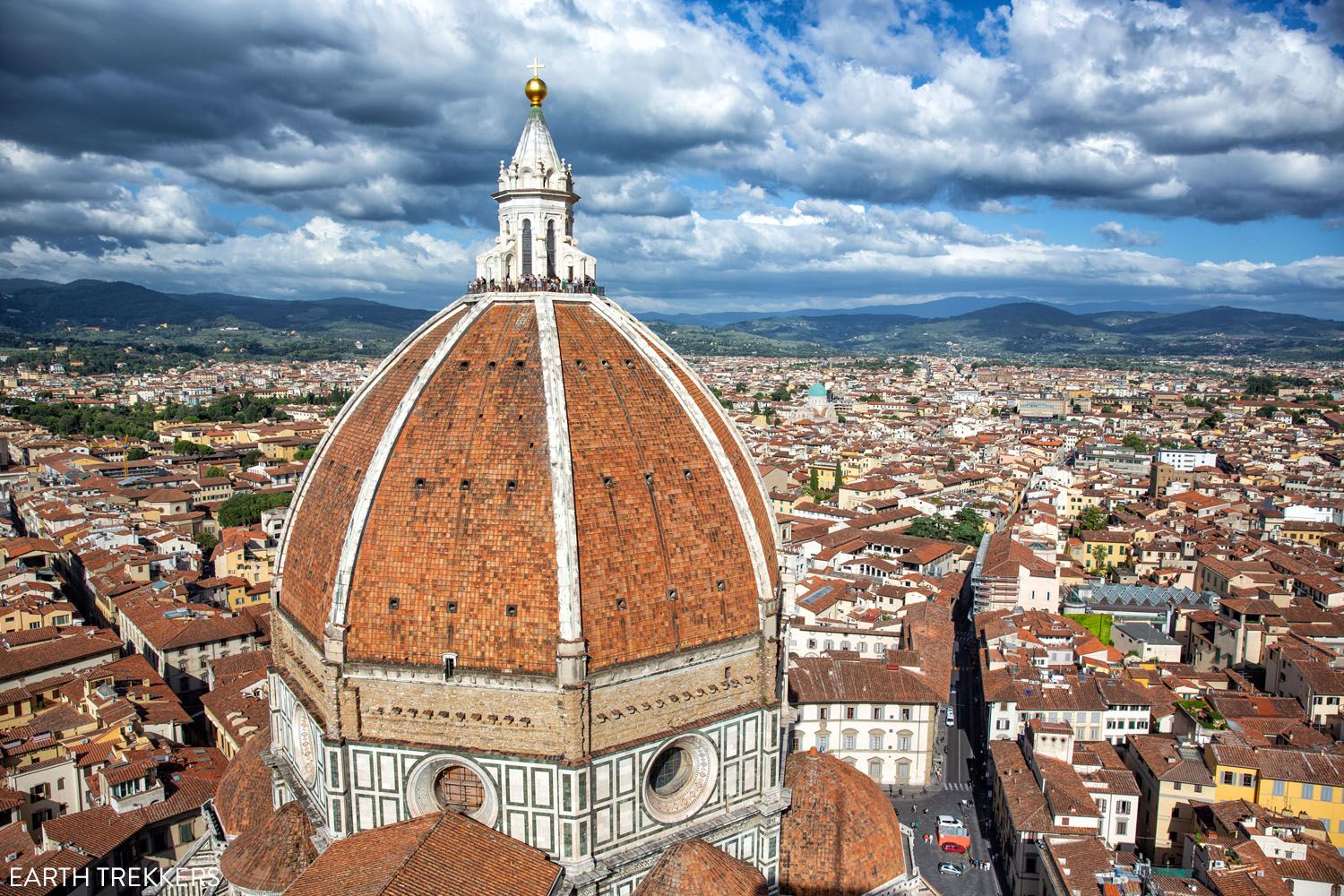
The dome of the Florence Cathedral (photo taken from Giotto’s Bell Tower)
Where to Stay in Florence
You’ll spend three nights in Florence. For hotel recommendations organized by neighborhood and budget, read our Where to Stay in Florence guide.
Florence City Guides
In our Florence city guides, we cover the best things to do, how to spend one day in Florence, and some rooftop bars with amazing sunset views of Florence.
Day 8: Florence
Overnight: Florence
Highlights: Accademia Gallery, Uffizi Gallery, Mercato Centrale, Palazzo Vecchio, Piazzale Michelangelo
Florence is compact enough to cover an enormous amount of ground in a single day. The challenge is choosing what to prioritize and booking tickets before they sell out. Book the Accademia and Uffizi in advance because the lines without pre-booked tickets are long enough to cost you a significant chunk of the day.
Start at the Accademia Gallery to see Michelangelo’s David, which is even more impressive in person than you’d expect.
From there, make your way to Mercato Centrale. The covered food market is one of the best in Italy and a natural spot for lunch. Continue south to Palazzo Vecchio, Florence’s fortress-like town hall anchoring the Piazza della Signoria, and then to the Uffizi Gallery, one of the great art museums in the world.
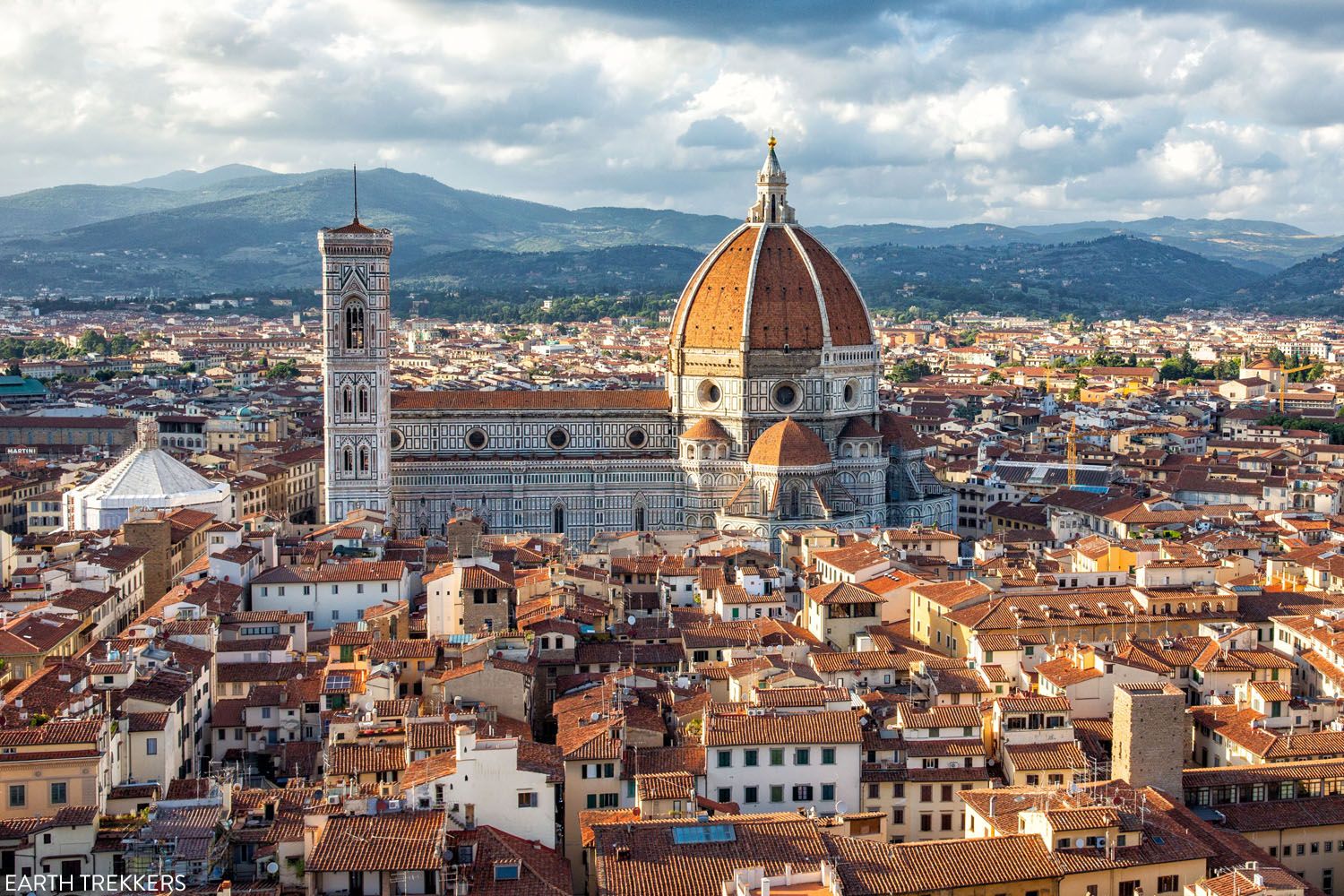
The view of Florence from the Palazzo Vecchio Tower
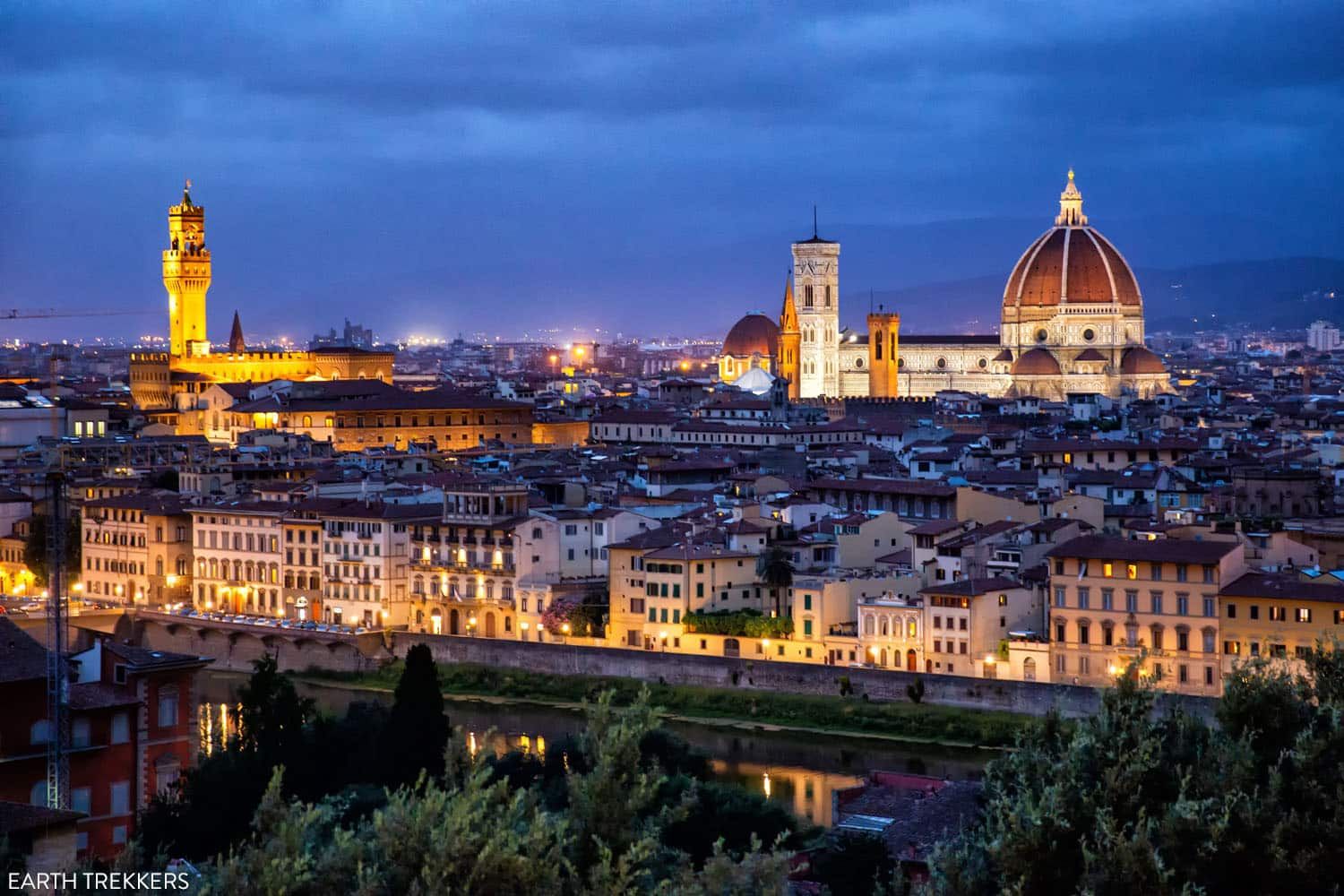
The view from Piazzale Michelangelo
End the day at Piazzale Michelangelo for sunset. The panoramic view over Florence and the Arno is one of the best in the city and not to be missed. We did this on our first visit to Florence and the photos I took that evening are some of my favorites of Italy. Alternatively, one of Florence’s rooftop bars makes an equally memorable end to the evening.
For a fully planned day with timing and logistics, use our One Day Florence Itinerary or 2 Days in Florence Itinerary as your guide.
Day 9: Tuscany Day Trip
Overnight: Florence
Highlights: Tuscany’s hilltowns, vineyards, and countryside
Transportation: Small group tour, rental car, private driver, or bus
One of the great advantages of basing yourself in Florence for three nights is today, a full day to explore the Tuscan countryside without packing and unpacking.
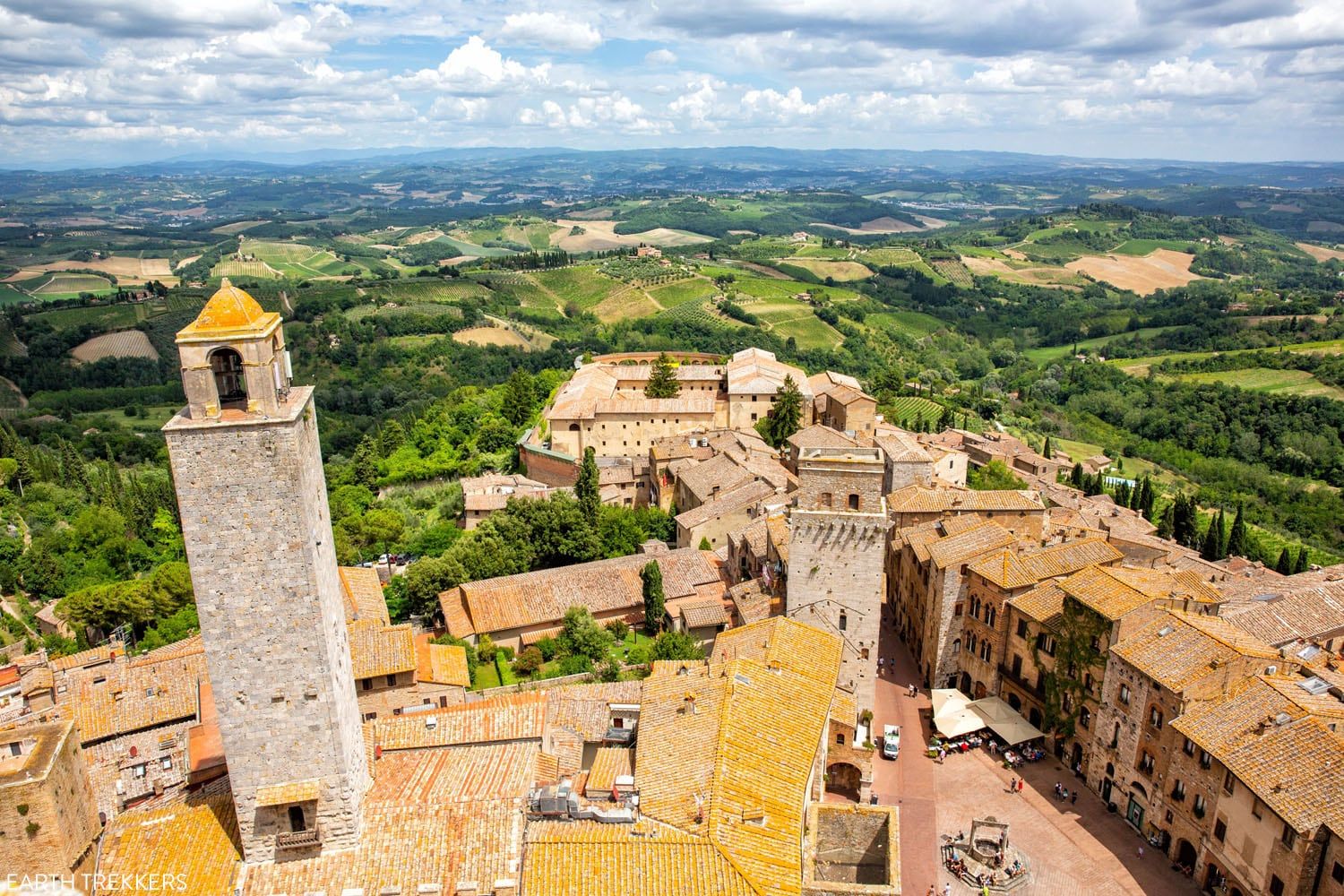
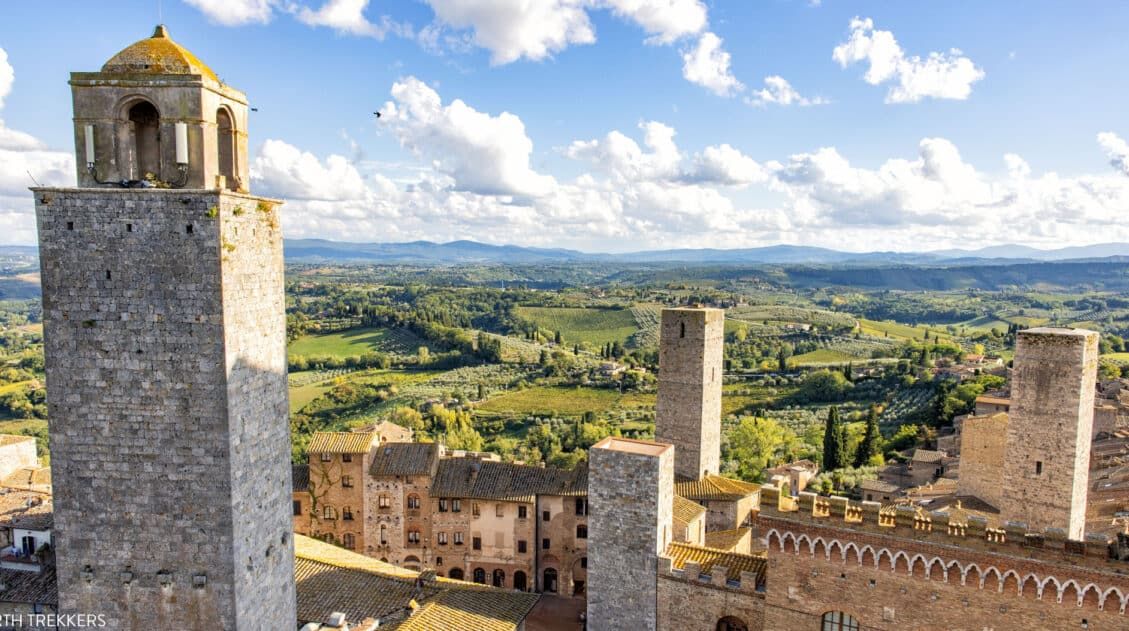
Overlooking Tuscany from San Gimignano
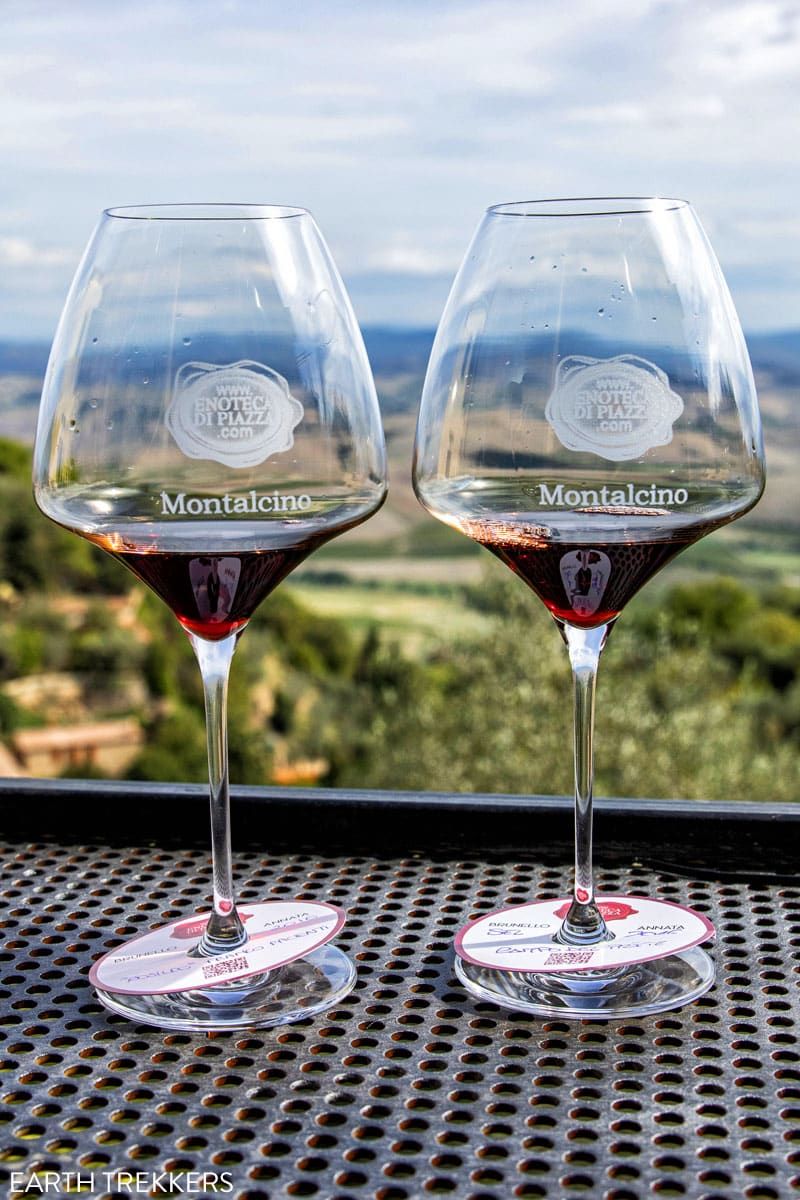
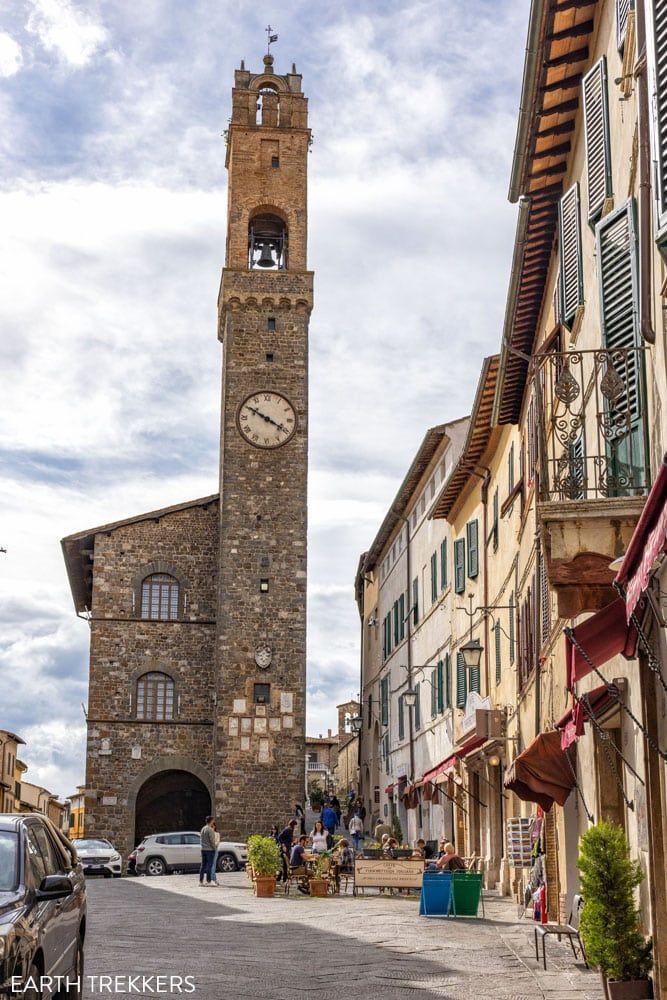
Montalcino
Joining a small group tour is our top recommendation. It takes care of all the logistics, gets you to towns that aren’t easily reached by public transit, and typically includes a knowledgeable guide who makes the landscape make sense.
Renting a car for the day is an excellent alternative that gives you maximum freedom to explore at your own pace and reach villages the buses don’t serve. A private driver is a great splurge if your budget allows.
The bus is possible for a handful of towns like Siena and San Gimignano, but we’ve done it and would steer most people away from it. On our visit, the buses failed to show up at several stops, leaving us stranded at stations for hours. It works until it doesn’t, and when it doesn’t, it costs you the better part of the day.
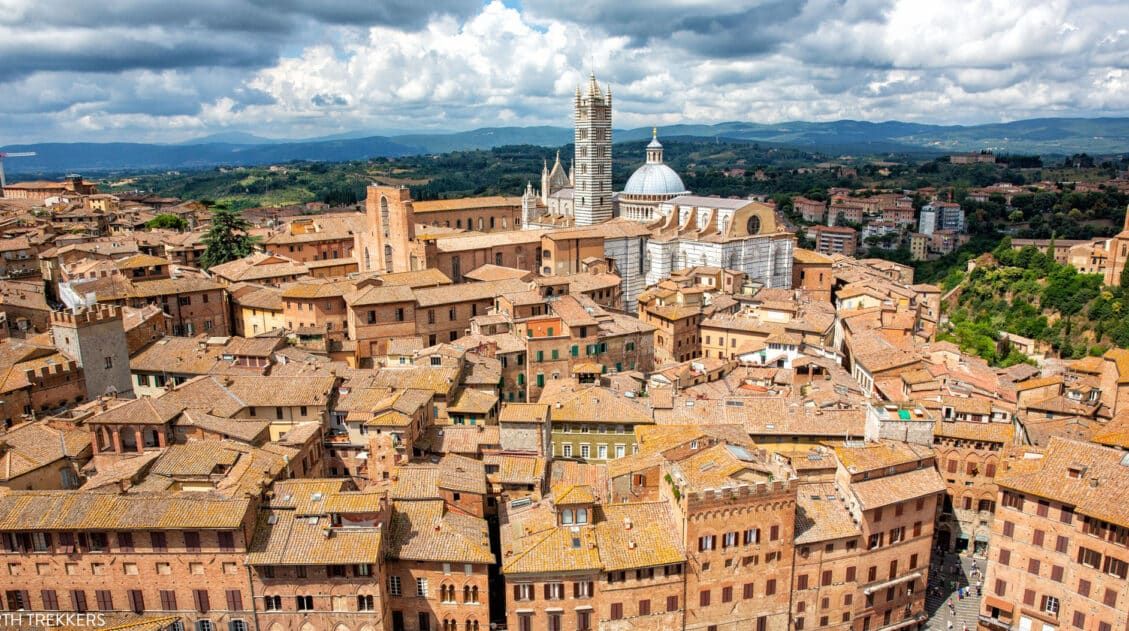
For the full breakdown of where to go and how to get there, read our guide to the best day trips from Florence. Two of our favorite destinations in the region — Siena and San Gimignano — each have their own dedicated guides linked below.
Tours of Tuscany
More Information about Tuscany
Day 10: Pisa & the Cinque Terre
Overnight: Cinque Terre (or La Spezia)
Highlights: Optional Pisa stop, arrival in Cinque Terre, sunset dinner
Transportation: Train Florence to La Spezia (1.5–3 hours direct or via Pisa transfer); local train between Cinque Terre towns (9 minutes from La Spezia to Riomaggiore)
Morning: Travel to Cinque Terre (Pisa is Optional)
This morning you leave Florence and head northwest to one of Italy’s most iconic coastlines. Direct trains from Florence to La Spezia take around 1.5 hours; trains with a transfer in Pisa take closer to 3 hours but open up a worthwhile option.
Optional: Add Pisa to today’s schedule. It’s easier than most people expect. Take the train from Florence to Pisa, deposit your luggage at the station’s luggage storage, spend about two hours visiting the Leaning Tower and the Piazza dei Miracoli, retrieve your luggage, and continue by train to the Cinque Terre.
We did this on our first visit to Italy and really enjoyed it. It’s perfect for those who want to take the iconic photos with the Leaning Tower. Get the full logistics in our Leaning Tower of Pisa day trip guide.
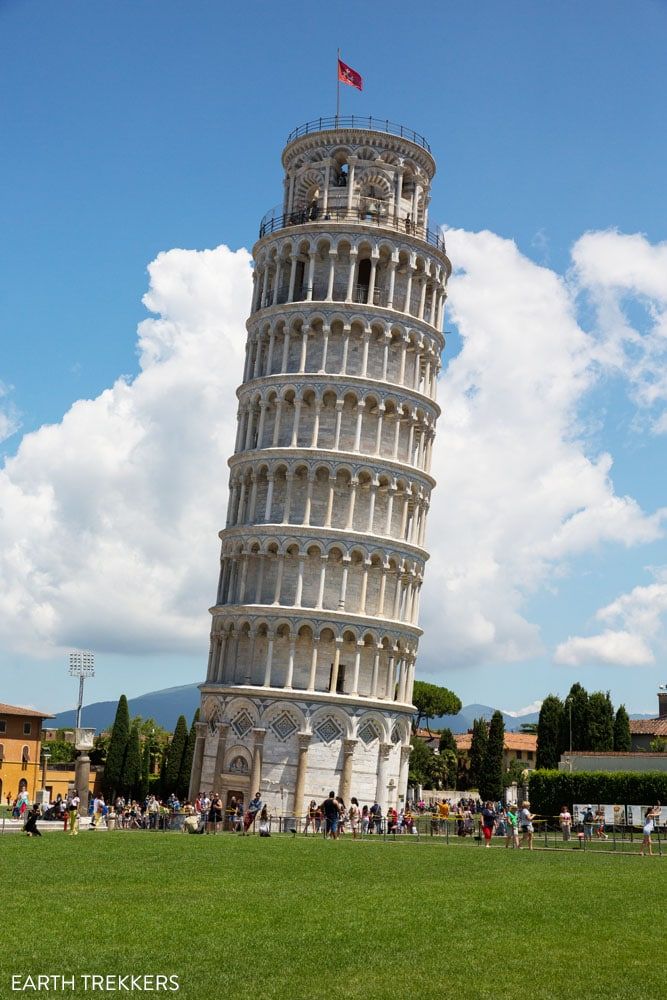
Leaning Tower of Pisa
Afternoon: Arrive in the Cinque Terre
Whether you come direct or via Pisa, you’ll arrive first in La Spezia. From there, the local Cinque Terre train connects all five towns. It takes just 9 minutes to reach the first town, Riomaggiore, and trains run frequently throughout the day.
End your arrival day with dinner and sunset views from whichever town you’re based in.
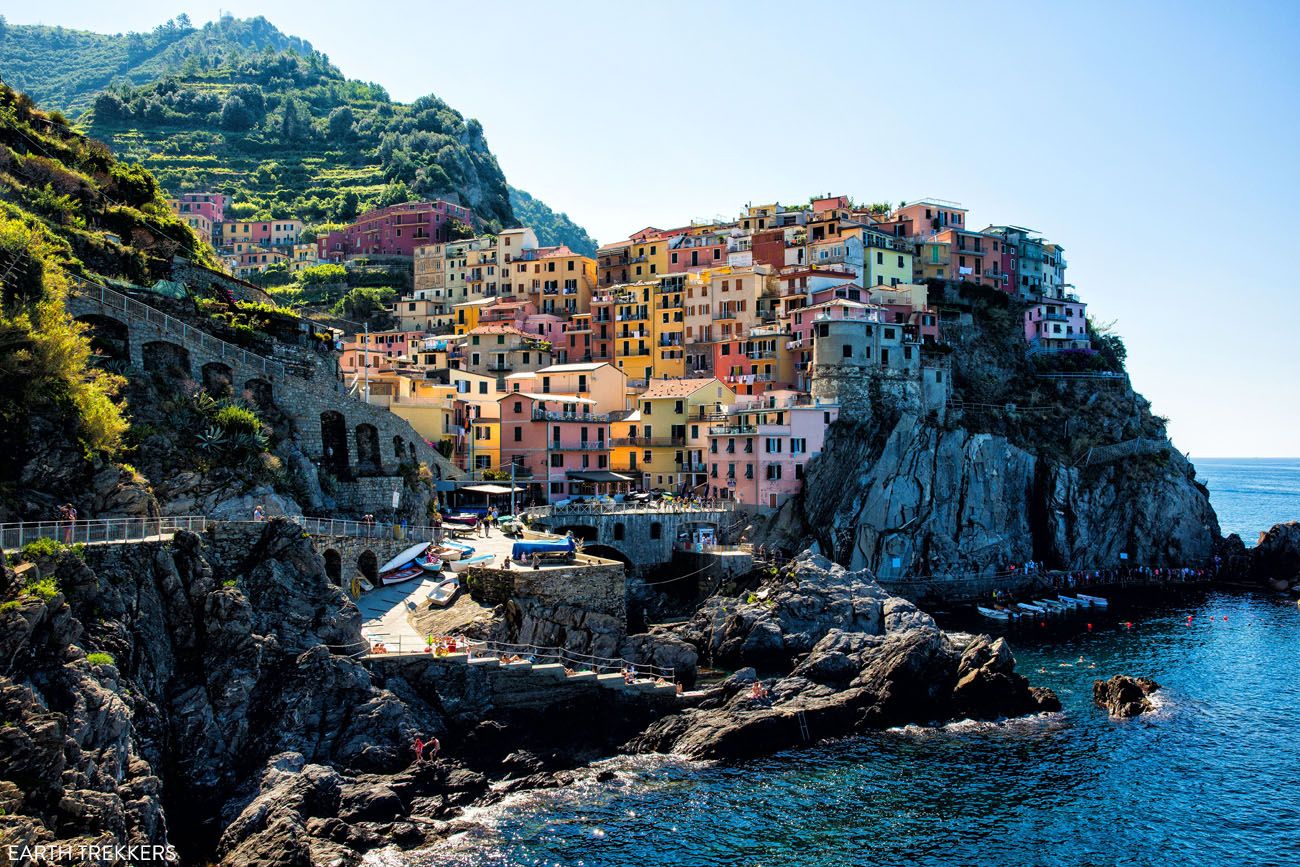
Cinque Terre
Where to Stay in the Cinque Terre
Each of the five towns has a different character, and since they’re all connected by the same train line, your choice of base doesn’t limit where you spend your days. You will stay in the Cinque Terre for 2 nights.
Monterosso al Mare is the largest town and has the most hotel options, the best beach, and the easiest access for anyone with heavy luggage. If you want the most comfortable base with the widest range of places to stay and eat, this is it.
Vernazza is widely considered the most beautiful of the five, with a working harbor, a medieval castle, and a piazza right at the water. It’s small, so book early.
Manarola and Riomaggiore are the two southernmost towns, both compact and charming, with good restaurants and easy train access.
Corniglia sits on a hilltop rather than the water and requires climbing a long staircase from the train station. It’s beautiful and quieter, but not ideal if you have heavy bags.
Traveling on a budget? Consider basing yourself in La Spezia instead. Hotels are significantly cheaper, the trains are fast and frequent, and we stayed there ourselves without feeling like we were missing out. The extra few minutes on the train each day is a worthwhile trade for the money you save.
Day 11: Cinque Terre
Overnight: Cinque Terre (or La Spezia)
Highlights: Hiking between towns, exploring the five villages, ferry views
Transportation: Local train, ferry, or on foot between towns
The Cinque Terre is a UNESCO World Heritage Site and one of the best places to visit in Italy. Five colorful, gorgeous towns are perched on the dramatic coastline of Italy, connected by hiking trails, a local train, and a ferry.
We visited in July and hiked between towns, ending the day on the beach in Monterosso. For hikers, families with older kids, and those who love being outdoors and active, this just may be one of your favorite days of this trip.
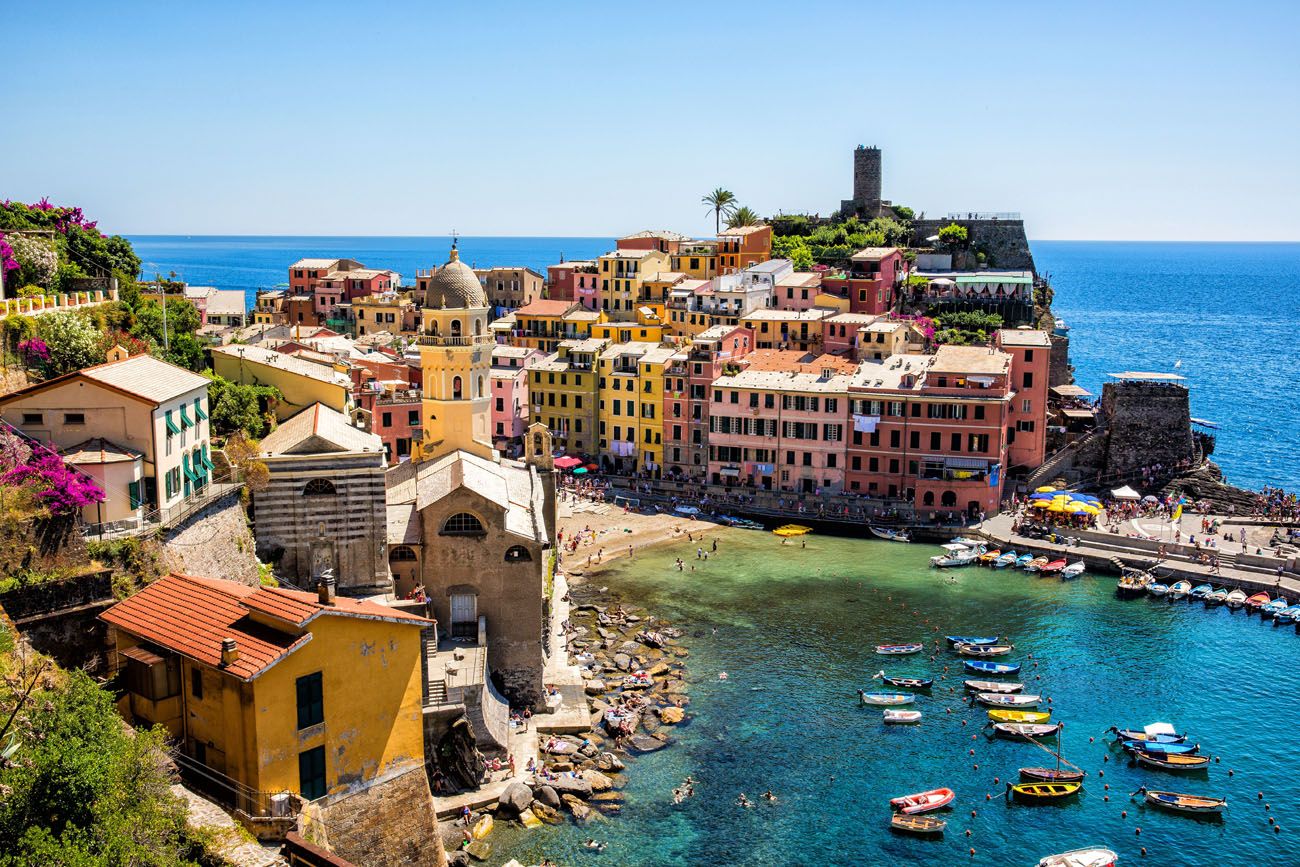
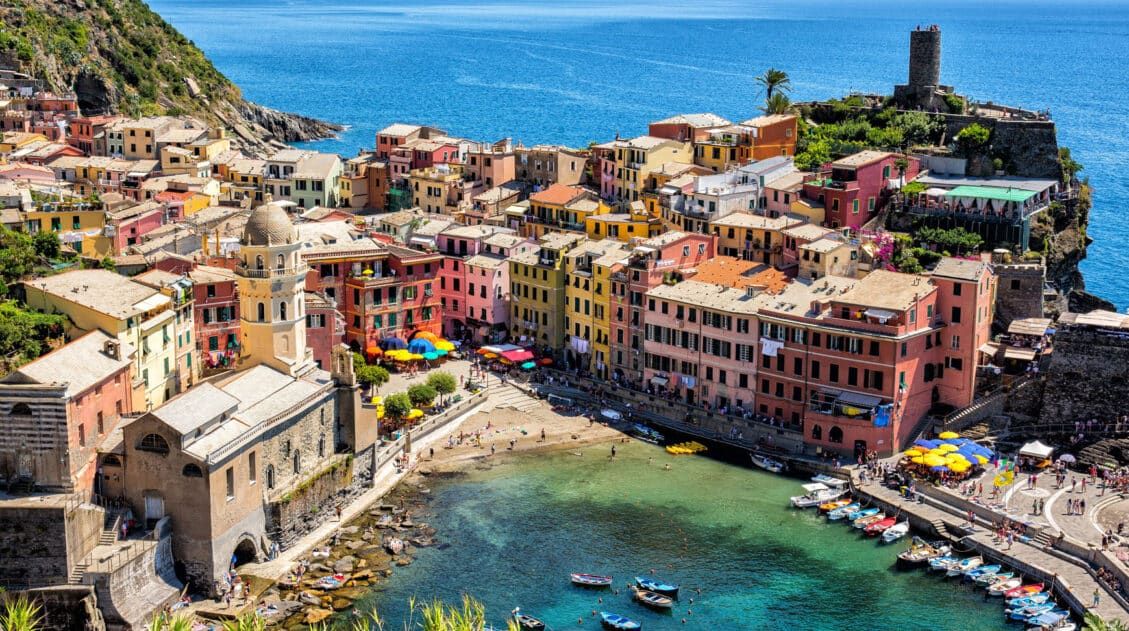
Vernazza
Hiking between the towns is the best way to experience the Cinque Terre. The trails put the coastline in full perspective in a way the train simply doesn’t. The views back over the villages from the paths above are what most people picture when they think of the Cinque Terre.
That said, the train connects all five towns in minutes, so you don’t need to hike every stretch. Pick one or two trail sections and take the train for the rest. The most popular and most scenic segment runs between Vernazza and Monterosso al Mare.
For everything you need to know about planning your day on the trails, read our guide to hiking the Cinque Terre. Traveling on a tighter budget? Our Cinque Terre budget travel guide has you covered.
Day 12: Cinque Terre to Venice
Overnight: Venice
Highlights: Optional Milan stop, arrival in Venice
Transportation: Train Cinque Terre to Venice via Florence or Milan (4–6 hours)
There are no direct trains from the Cinque Terre to Venice — you’ll transfer either in Florence or Milan. The quickest journey takes around 4 hours; slower connections can take up to 6. To maximize your time in Venice, take the earliest train with the shortest travel time.
Optional: Add Milan to Today’s Schedule
This is exactly what we did, and it worked beautifully.
Take an early morning train to Milan, spend the middle of the day visiting the Duomo and Da Vinci’s Last Supper, which are two of the most extraordinary things to see in northern Italy, and then board an afternoon train to Venice, arriving in time for dinner. It adds a layer of complexity to a travel day but it’s worth it if your pace allows.
For the full logistics, read our Milan day trip guide.
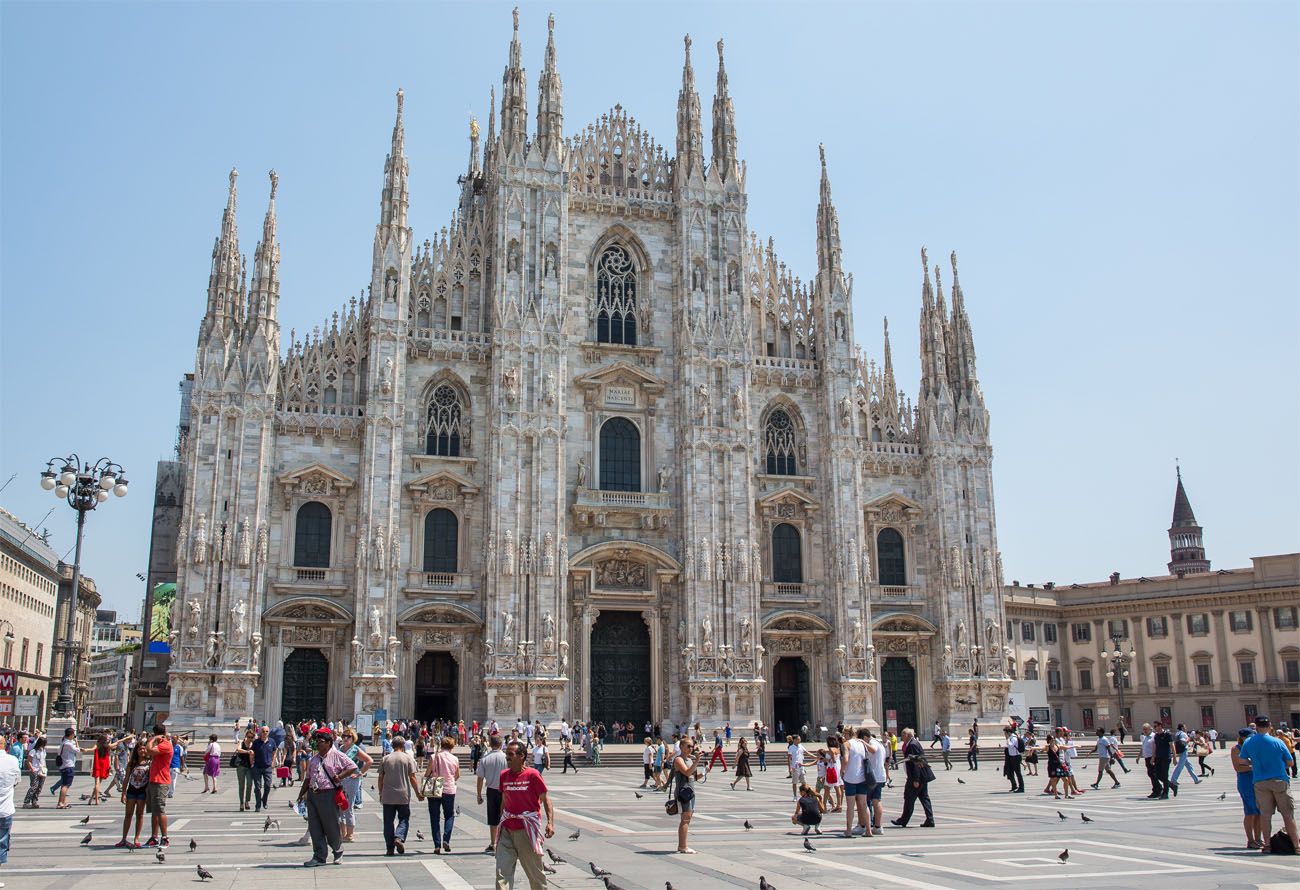
The Duomo in Milan
Arrive in Venice
Spend the late afternoon and early evening wandering the streets and canals of Venice. Even an hour on foot, with no map and no agenda, is one of the best introductions to the city. Venice is unlike anywhere else, and the first evening is the moment to just let it land.
Where to Stay in Venice
You’ll spend two nights in Venice. For hotel and apartment recommendations organized by neighborhood and budget, read our Where to Stay in Venice guide.
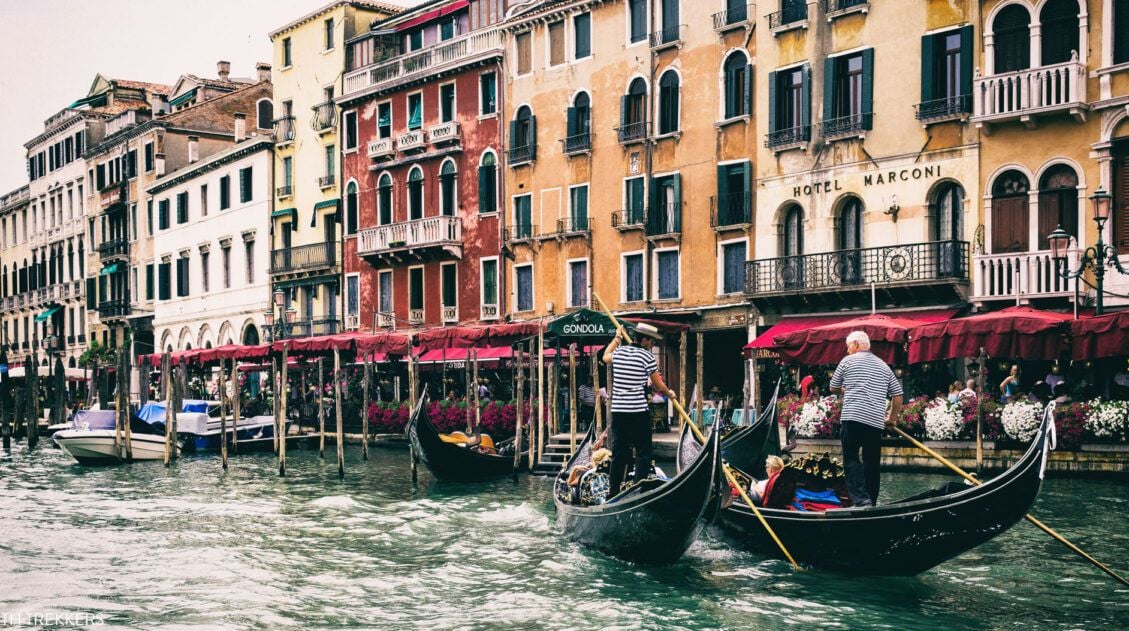
Where to Stay in Venice: Best Neighborhoods & Hotels
Where to stay in Venice, organized by location and budget.Day 13 & 14: Venice
Overnight: Venice
Highlights: St. Mark’s Basilica, Doge’s Palace, Campanile, Grand Canal, gondola ride
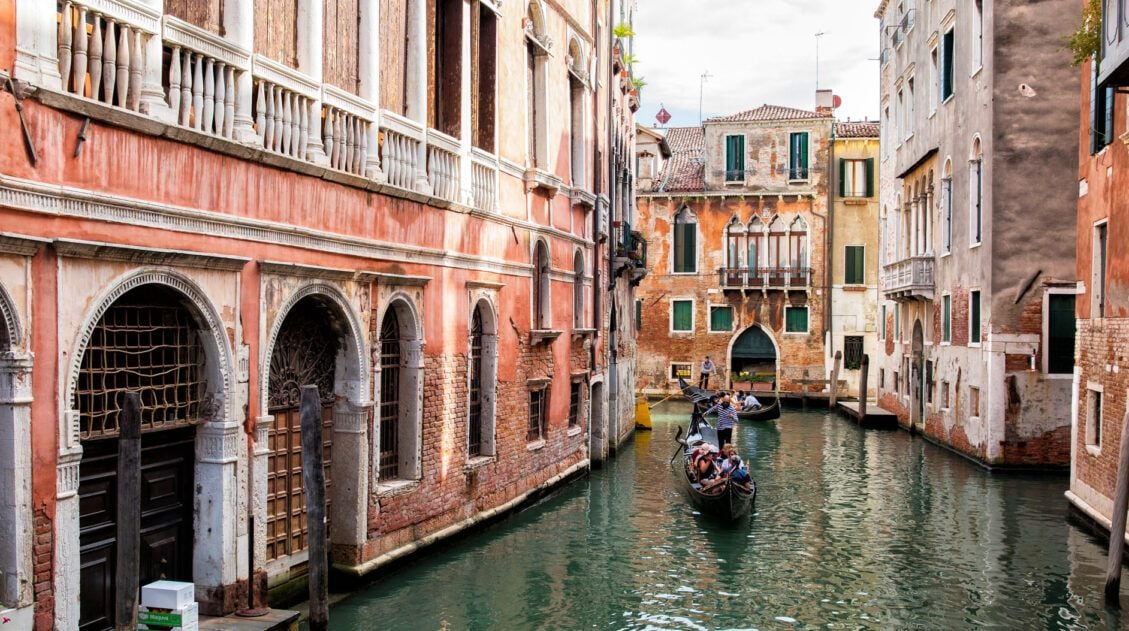
Venice is the most unusual city in Italy and arguably in the world: no cars, no roads, just canals and footbridges and centuries of impossible beauty. Two days is enough to see the highlights and still have time to get genuinely lost, which is both inevitable and one of the best things you can do here.
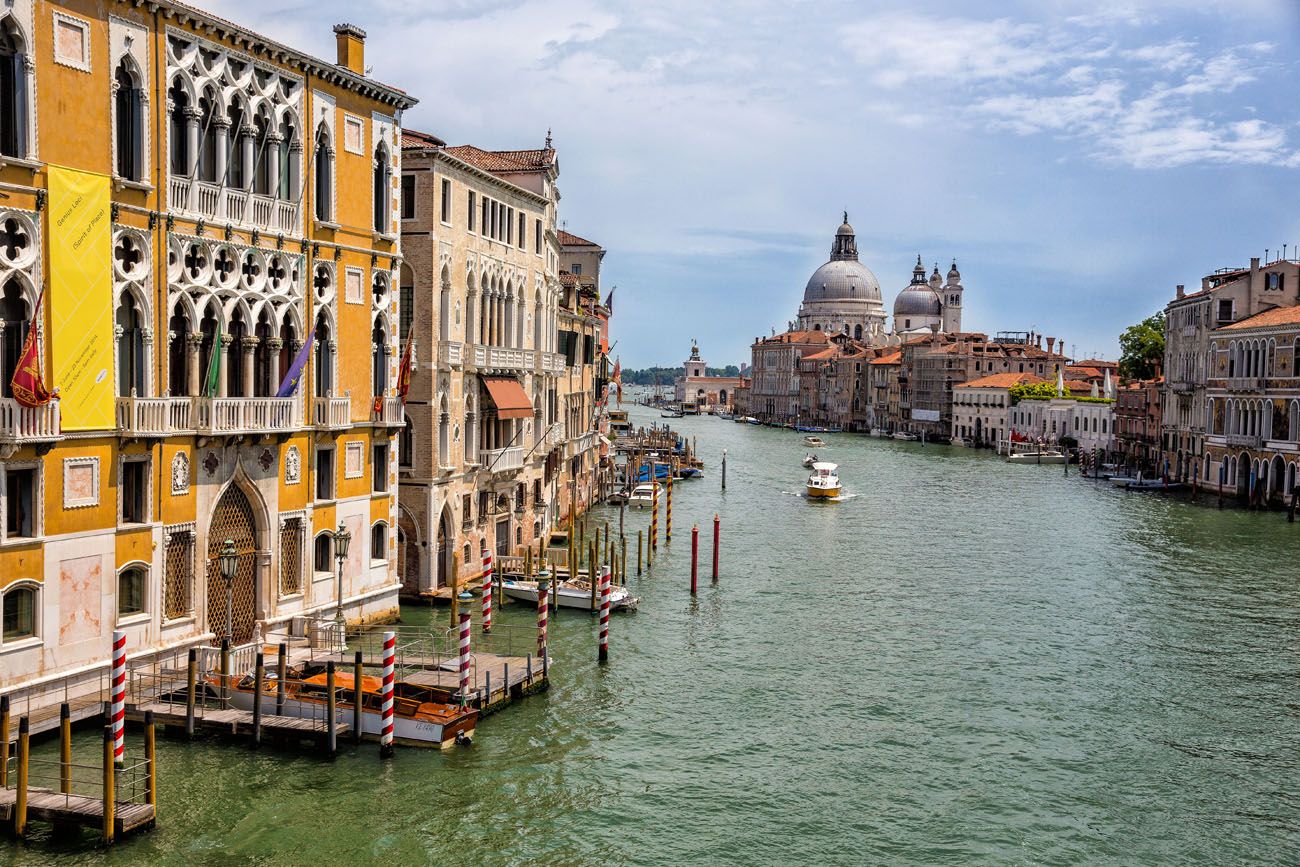
The must-sees are clustered around Piazza San Marco: St. Mark’s Basilica, one of the most ornate churches in Europe; the Doge’s Palace, the former seat of Venetian power with its extraordinary state rooms and Bridge of Sighs; and the Campanile, the bell tower whose rooftop gives you the best panoramic view of the city and the lagoon.
Beyond the Piazza, Venice rewards wandering. Cross the Rialto Bridge, explore the quieter neighborhoods of Dorsoduro and Cannaregio, and spend at least one afternoon simply following streets with no destination in mind.
A gondola ride is expensive and touristy, but it’s something we can’t resist when we visit Venice. It’s worth it. For a budget alternative that covers more ground, the vaporetto water bus along the Grand Canal is one of the great travel experiences in Italy for the price of a transit ticket.
For a fully planned two-day itinerary with timing, ticket links, and neighborhood recommendations, read our 2 Days in Venice Itinerary ↓
2 Days in Venice Itinerary: Best Itinerary for First-Time Visitors
Detailed 2 day itinerary for Venice.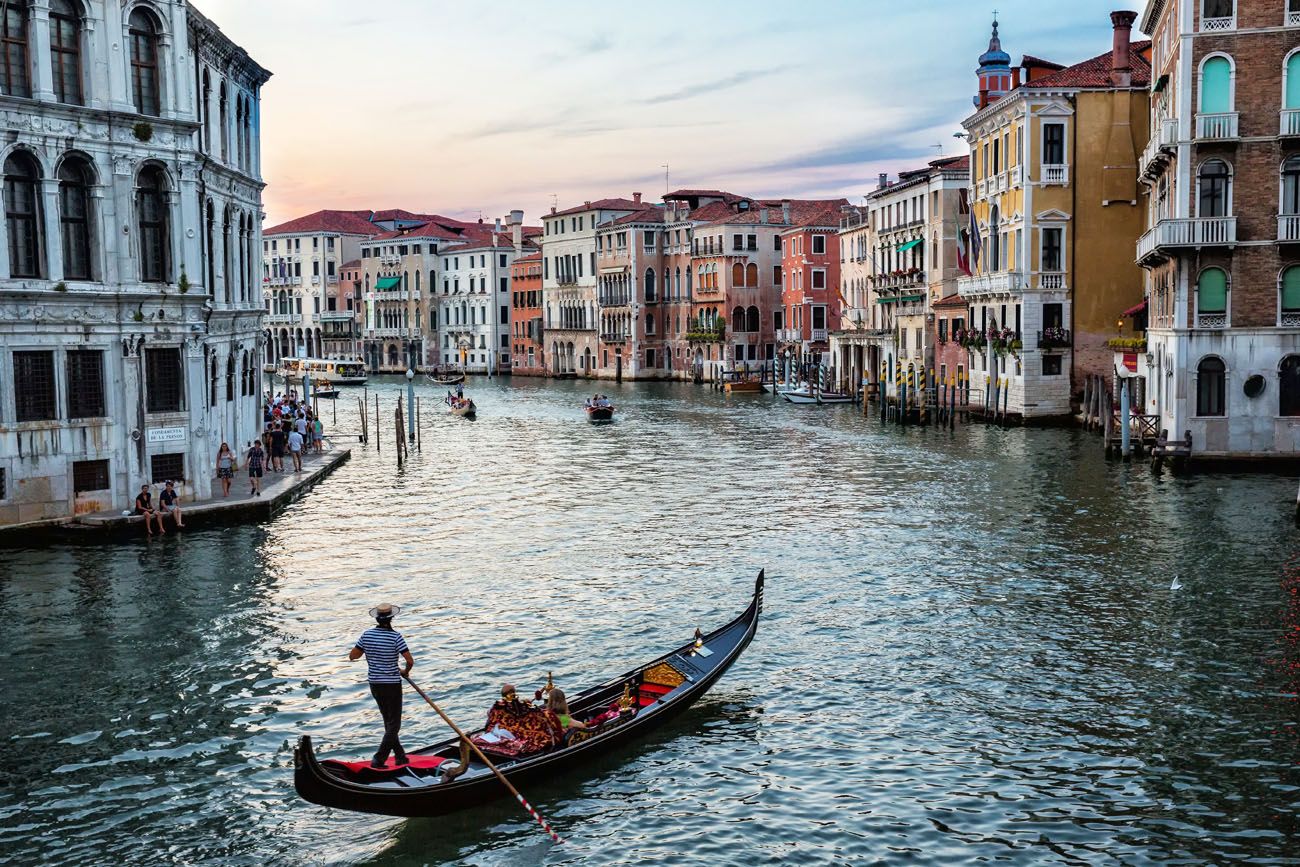
Venice
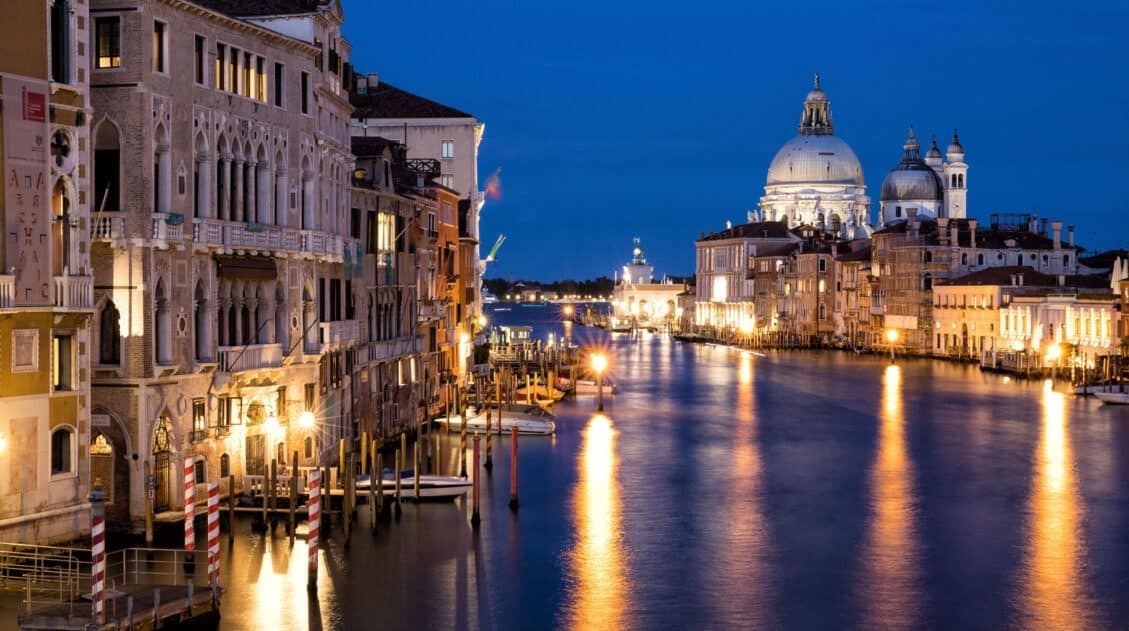
View from Ponte dell’Accademia
How to Modify this Two Week Italy Itinerary
Doing this Itinerary in the Opposite Direction
If you want to do this itinerary but start in Venice and end in Rome, here’s how to do it.
Day 1: Arrive in Venice
Day 2: Venice
Day 3: Travel to the Cinque Terre
Day 4: Cinque Terre
Day 5: Morning train to Florence, afternoon in Florence
Day 6: Florence
Day 7: Tuscany day trip from Florence
Day 8: Travel to the Amalfi Coast
Day 9: Capri day trip
Day 10: Sorrento
Day 11: Amalfi Coast
Day 12: Morning train to Rome, afternoon in Rome
Day 13: Rome
Day 14: Rome
Alternative Route
We often get questions about flying into Naples rather than Rome. We picked Rome as the starting point because it is generally easier to get flights into Rome rather than Naples. However, if you are able to find a flight to Naples, you can start here, rather than starting in Rome. By starting in Naples, you do save a train ride from Rome to Sorrento, which takes about 2 to 3 hours.
Here is a 14-day Italy itinerary that starts in Naples and ends in Venice:
Day 1: Arrive in Naples, travel to Sorrento, explore Sorrento
Day 2: Amalfi Coast
Day 3: Capri day trip
Day 4: Visit Pompeii on the way to Rome, afternoon in Rome
Day 5: Rome: Colosseum and the Borghese
Day 6: Rome: The Vatican
Day 7: Florence
Day 8: Florence
Day 9: Tuscany day trip
Day 10: Train to Cinque Terre, optional visit to Pisa
Day 11: Cinque Terre
Day 12: Travel to Venice, optional visit to Milan
Day 13: Venice
Day 14: Fly home
With Less Time
If you only have 12 to 13 days, you can still do this Italy itinerary, but of course you will have to give up some time in one or two cities. I recommend taking a day from Rome or Florence or completely eliminating the Amalfi Coast.
On this itinerary, you spend three days in Sorrento and the Amalfi Coast. Getting here, and then moving on to Florence, takes some time (roughly 3 to 4 hours each way by high-speed train) and can be a minor hassle. So, it’s only worth it if you give it at least three full days. I wouldn’t recommend trying to shorten it to just 2 days. However, if you eliminate this part of the trip, this becomes an 11-day itinerary.
You can also visit the Amalfi Coast on a day trip from Rome, which will save you a lot of time (2 full days to be exact). On this Amalfi Day Trip Tour, you will visit Pompeii, Positano, and Amalfi. What you will be missing is Capri and Sorrento, but that might be worth saving those 2 days.
Can you do this Italy itinerary in 10 days?
Yes, it’s possible, but that doesn’t mean that it is a good idea. You will get to “see” a lot but you will feel like you are in a race and you will spend most of your time on the train and checking in and out of hotels. It can be done but we don’t recommend it.
If you only have 10 days, there are many ways to put together a great Italy itinerary. We have a post with five different 10-day Italy itineraries…5 wonderful trips to choose from. This article is so popular, and we get so many questions about how to visit both the Cinque Terre and the Amalfi Coast in one trip, that we published this 14 day Italy itinerary.
We also have a detailed 10 day itinerary that includes Rome, Florence, Venice and the Cinque Terre. It is very similar to this 14 day itinerary, with the exception of the Amalfi Coast and Sorrento.
With More Time
Two weeks goes fast in Italy. If you have more time, spend it either lingering longer at the stops you love most — Tuscany, the Cinque Terre, and Venice all reward an extra day or two — or adding a new destination entirely. Here are our top picks for what to add on.
San Marino
San Marino
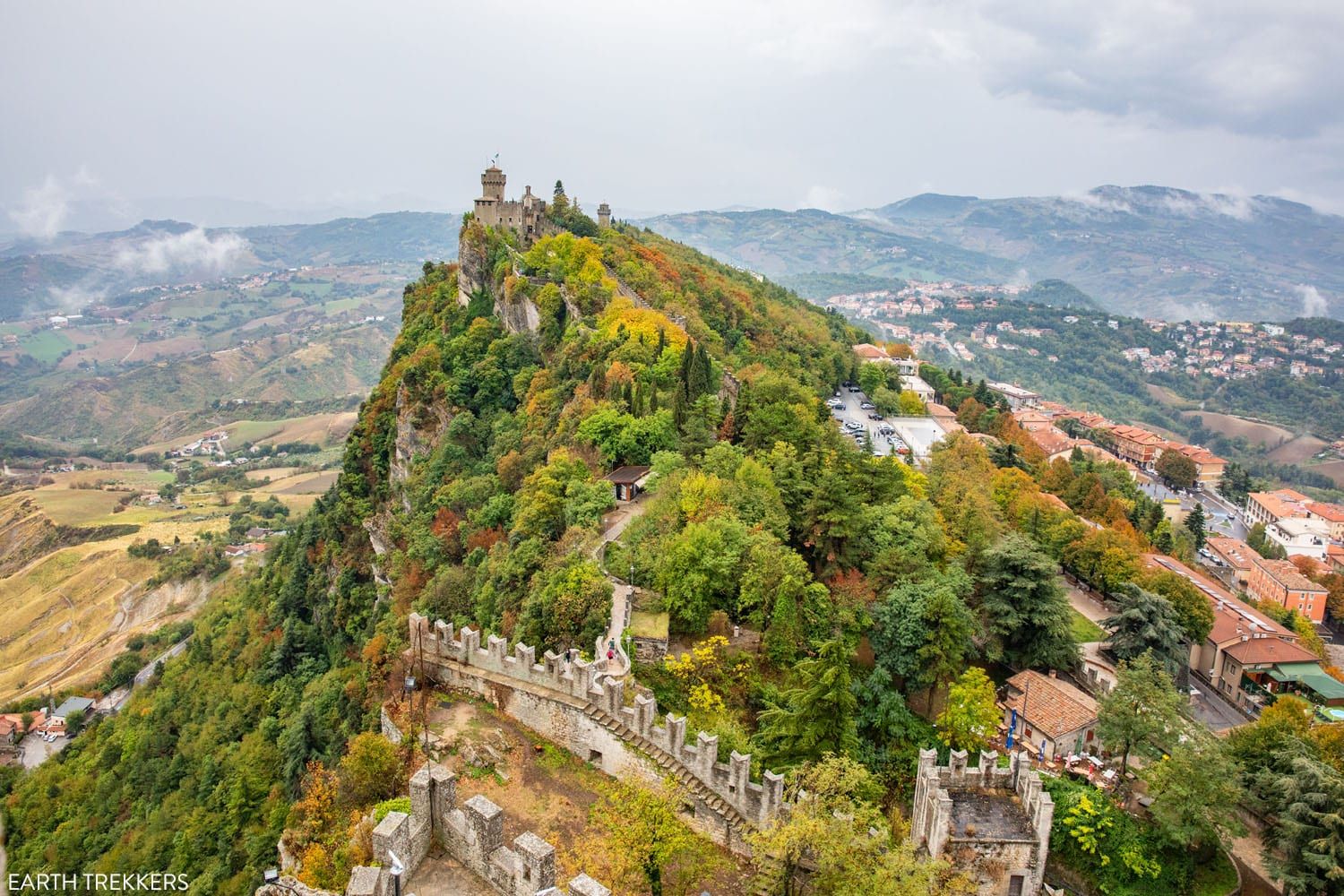
San Marino is one of Europe’s most underrated destinations. This tiny country is completely surrounded by Italy and to get here it is a relatively short drive from Tuscany.
Verona
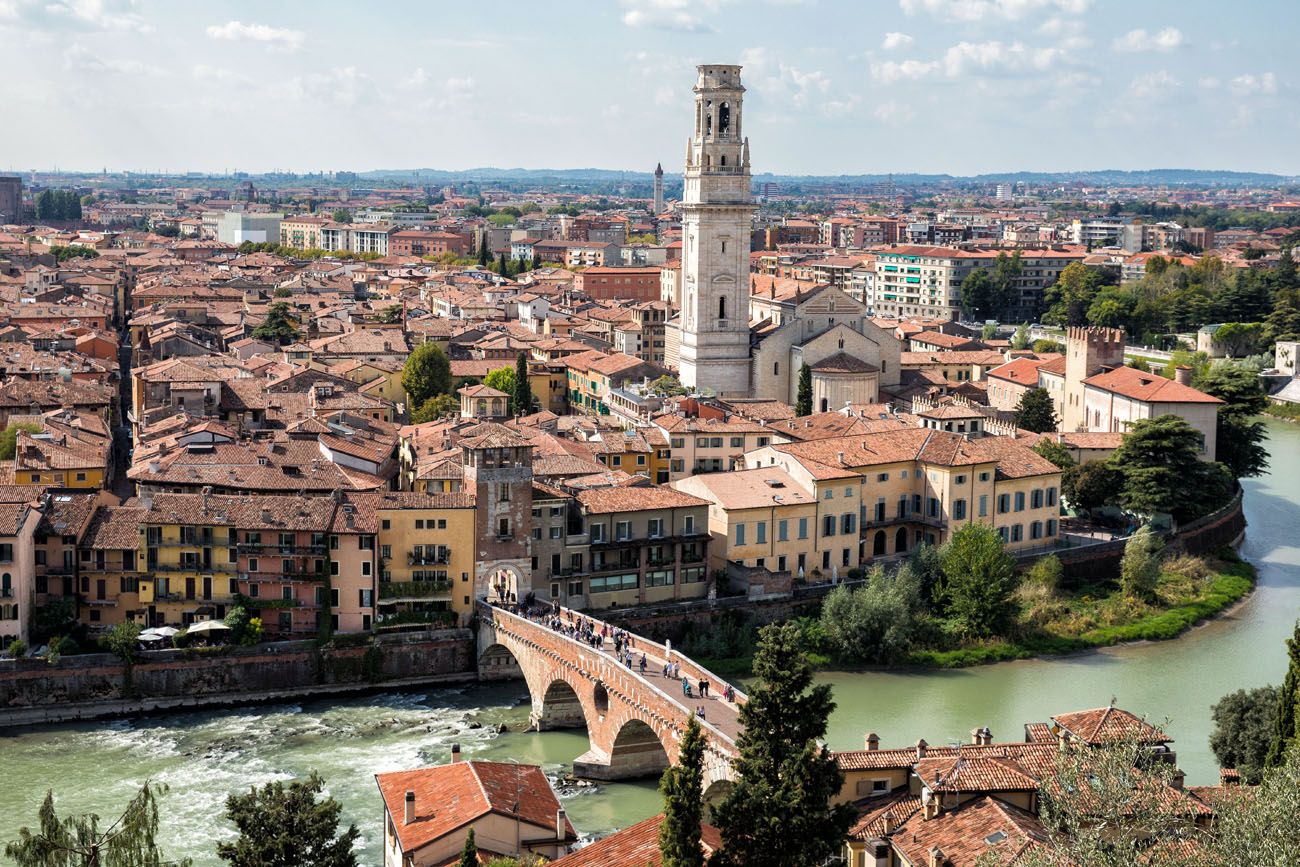
Verona
Verona is another underrated destination in Italy. One day and one night is all you need to experience the best of Verona. Add it before Venice…from the Cinque Terre, take the train to Verona (skipping Milan), spend the rest of the day exploring the town, spend the night, and the following morning continue to Venice.
Lake Como
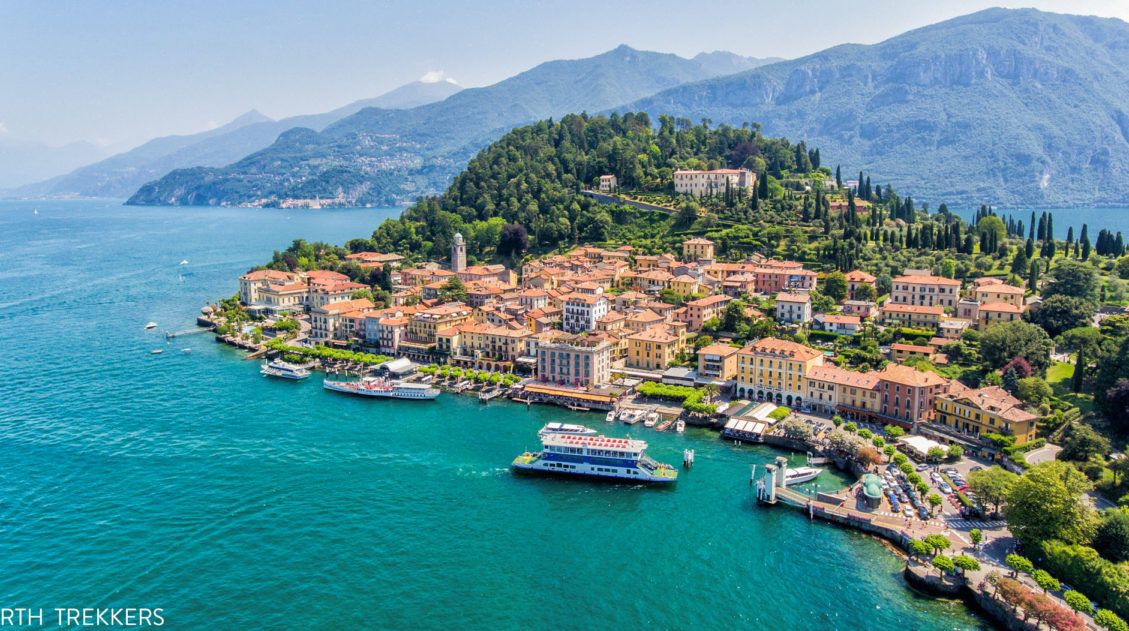
Lake Como is a slice of Italian paradise, and for many people, and a visit to Bellagio is the highlight.
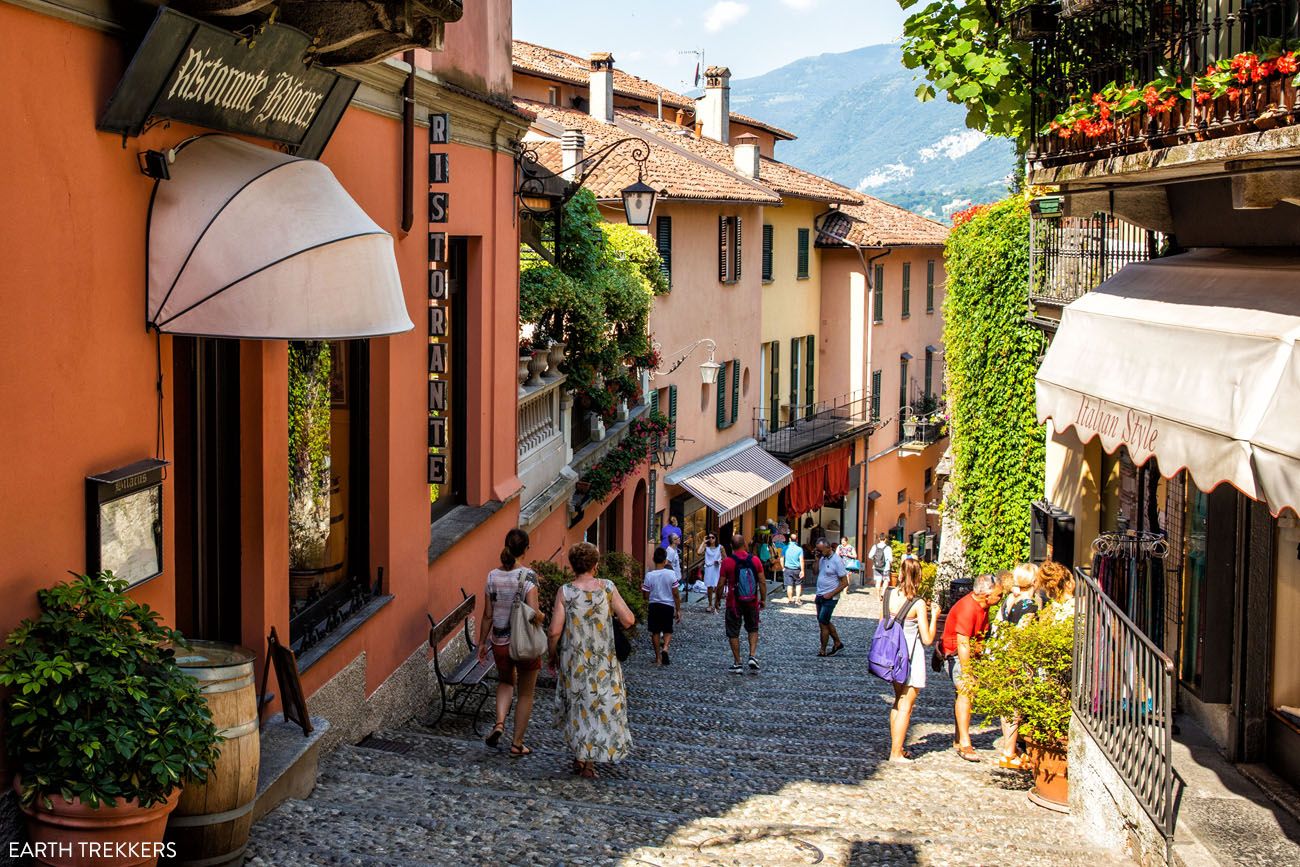
Bellagio
Lake Como makes a great day trip destination from Milan. To add Lake Como to this Italy itinerary, you need 2 extra days. From the Cinque Terre, travel to Milan and spend the afternoon exploring Milan. On day 2, day trip to Lake Como. The following day, take the train from Milan to Venice.
How to Plan a Day Trip to Lake Como
Everything you need to know to plan a day trip to Lake Como from Milan, Italy.Go Hiking in the Dolomites
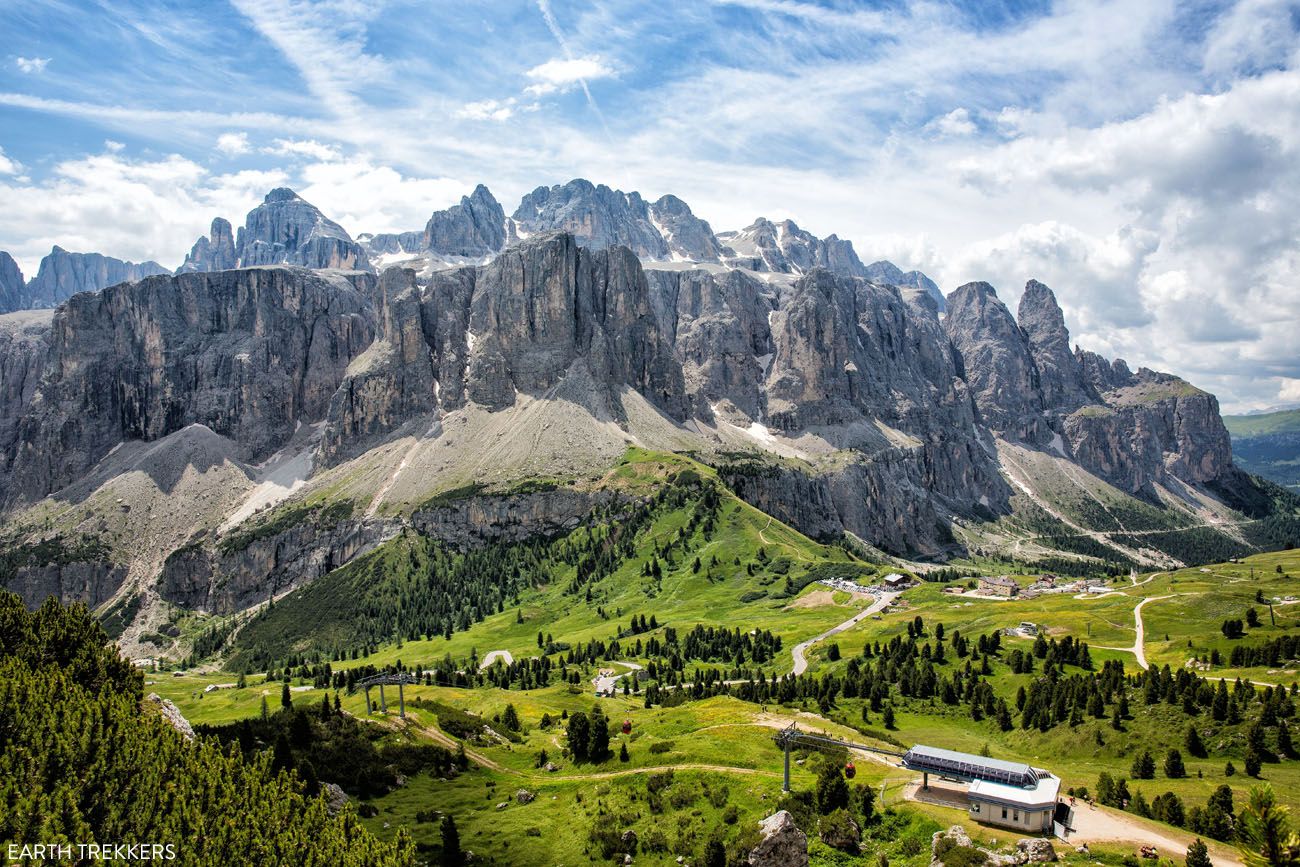
Dolomites
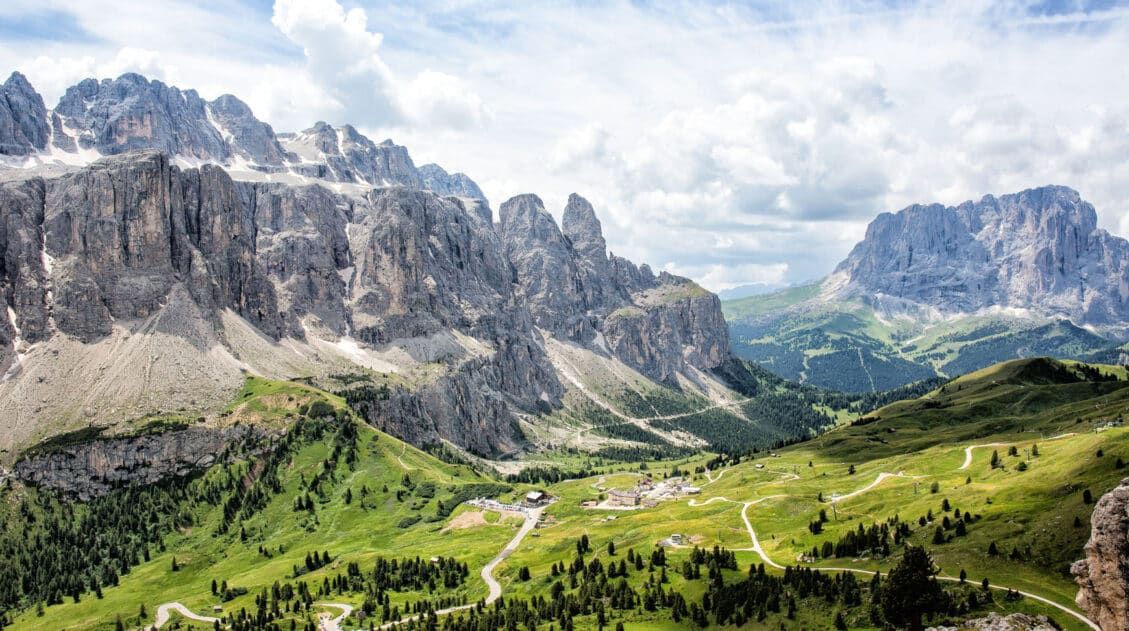
The Dolomites are one of our favorite regions in the world to go hiking. Adding one day to this Italy itinerary gives you enough time to hike one trail and take a scenic car ride through the mountains. If you have two or three extra days, base yourself in a small, alpine town, go hiking, and enjoy this beautiful place. You can go hiking in the Dolomites from June through mid-October.
How to Get Around Italy
Italy’s high-speed rail network is fast, affordable, and connects every major city on this itinerary. For most legs — Rome to Naples, Naples to Florence, Florence to the Cinque Terre, and the Cinque Terre to Venice — the train is your best option, and booking directly through Trenitalia is straightforward.
The two exceptions are the Amalfi Coast, where ferries and private drivers are a better choice than self-driving or the bus, and the Tuscany day trip from Florence, where a guided tour or rental car will serve you far better than public transit.
In our experience, we have found it to be cheaper to book our tickets individually rather than purchasing a Eurail Pass.
Best Time to Visit Italy
We’ve done this itineraryacross multiple seasons, and the timing makes a real difference, particularly on the coasts.
In July, the lines at the Colosseum and Vatican are at their longest, and the midday heat makes sightseeing in Rome genuinely exhausting. We’ve also visited in September, which felt noticeably more manageable: still warm, still busy, but the worst of the summer crowds had thinned.
The Amalfi Coast in July is spectacular and absolutely packed. The ferries are full, the towns are wall-to-wall tourists, and Positano can feel more like a theme park than a coastal village. We went back in October, and it was a completely different experience: far fewer crowds, the water still warm enough to swim, and a quieter, more local version of the coast that we much preferred. We’ve written a full guide to visiting the Amalfi Coast in October if that timing appeals to you.
Our personal favorite time for this itinerary is late September into October. The crowds drop, the weather is still excellent, and the Amalfi Coast in particular becomes a genuinely relaxed place to spend a few days. The trade-off is an increased chance of rain, especially as October progresses, so come prepared.
Late April through May would be a wonderful time to do this itinerary, when Tuscany is lush and green, and crowds are manageable.
If you’re visiting in winter, know that both the Amalfi Coast and the Cinque Terre become very quiet. Some hotels and restaurants close entirely, ferry schedules are reduced, and the towns have a sleepy, off-season feel that some travelers love and others find limiting.
- Spring (April–June): Excellent conditions across the board; Tuscany is at its most photogenic; crowds build toward June
- Summer (July–August): Peak season with peak crowds and heat; book everything well in advance
- Fall (September–October): Our top pick; warm, fewer crowds, small chance of rain in October
- Winter (November–March): Great for Rome and Florence; the Amalfi Coast and Cinque Terre are very quiet with limited options
Frequently Asked Questions
What are the best months to visit Italy with fewer crowds?
If I had to pick a window with good weather and manageable crowds, it would be late April through May. The weather is warm, Tuscany is green (it turns brown in mid to late summer once the fields are plowed), and you’ll have noticeably fewer crowds than in June, July, and August. Late April is quieter than late May. We’ve also spent time in Italy from September through early November, and fall is a strong alternative. Crowds drop after mid-September, though the chance of rain increases as the season progresses. Our experience on the Amalfi Coast in October was one of our favorites. Far fewer crowds and still warm enough to swim. If you’re visiting in fall, go in with that trade-off in mind.
Should I stay in Naples or Sorrento?
Sorrento, without hesitation. Sorrento has far more hotels and restaurants to choose from, it’s significantly easier to get around from, and it gives you straightforward access to the ferry to Capri, the Campania Express train, and the buses and ferries along the Amalfi Coast. Naples is a wonderful city worth visiting in its own right, but as a base for this part of the itinerary, Sorrento is the better choice.
For a family of four, would you recommend a rental car or the train?
We recommend the train as your first option. It’s more convenient, more environmentally friendly, and once you factor in gas, parking fees, and the drop fee for a point-to-point rental, it can actually be cheaper than a car for a family of four. On our first trip to Italy, we traveled as a family of four with kids who were 9 and 11 at the time, doing an almost identical itinerary to this one. We traveled by train throughout and found it both cheaper and far more convenient than a rental car would have been. The one thing to keep in mind: parking in Italian city centers is a genuine headache, and the historic centers of Rome, Florence, and Venice all have restricted driving zones (ZTLs) that can result in steep fines if you enter unknowingly.
Does it matter whether I start in Rome or Venice?
For this itinerary, the route as written — Rome to Venice — is the most logical direction geographically. That said, it works perfectly well in reverse if your flight options or pricing make Venice the better entry point. Flight availability and cost are the most practical factors in deciding direction, so we’d encourage you to check both options before booking. The day-by-day experience is equally good either way.
Designing Your Own Italy Itinerary?
Looking for a different route through Italy? Here are a few more options to help you find the right fit:
- 10 Days in Italy: 5 Amazing Route Ideas — Five different itineraries for every travel style, from the classic Rome, Florence, and Venice route to the Amalfi Coast, the Dolomites, and beyond.
- 10 Day Italy Itinerary: Rome, Florence, Cinque Terre & Venice — The classic first-timer route without the Amalfi Coast, ideal if you have 10 days.
- 10 Day Northern Italy Itinerary — Venice, the Dolomites, Verona, Milan, and Lake Como for travelers who want a mix of world-class hiking and iconic cities.
- Two Week Sicily Itinerary — A road trip around Sicily covering ancient temples, coastal towns, Mount Etna, and more.
- 10 Day Southern Italy Itinerary — The Amalfi Coast, Matera, Alberobello, and Puglia for travelers who want to go beyond the classic route.
For more detailed city guides, regional itineraries, and planning resources, visit our Italy Travel Guide, where all of our Italy content is organized in one place.
Planning your first trip to Europe? Here is everything you need to know for your first visit to Europe.
Comment below if you have any questions about this 14 Day Italy itinerary or how to spend two weeks in Italy.
More Information for Your Trip to Italy
30 Things to Do in Rome | The Ultimate Rome Bucket List
Rome is the capital city of Italy and one of the largest cities in Europe. With its long, rich history, famous landmarks, museums and archaeological sites, the to-do list for visitors is enormous. 30 things to do in Rome sounds like a lot, and it is, but there are many more places we could have […]
Exactly How to Visit the Vatican Museums & St. Peter’s Basilica in 2026
If you are planning your first trip to Rome, then most likely a visit to Vatican City is on your to-do list. In this guide, we cover what you need to know about how to visit the Vatican Museums, the Sistine Chapel, and St. Peter’s Basilica, including what to do when you are here, the […]
Europe Travel Itineraries: Find Your Perfect Trip to Europe
Europe Itineraries We’ve spent years exploring Europe, hiking the fjords of Norway, road tripping through Italy, island-hopping in Greece, and wandering the Christmas markets of Bavaria. Along the way, we’ve turned every trip into a detailed itinerary so you don’t have to start from scratch. Browse the guides below and find the one that fits […]
17 Beautiful Towns on the Amalfi Coast (+Map & Photos)
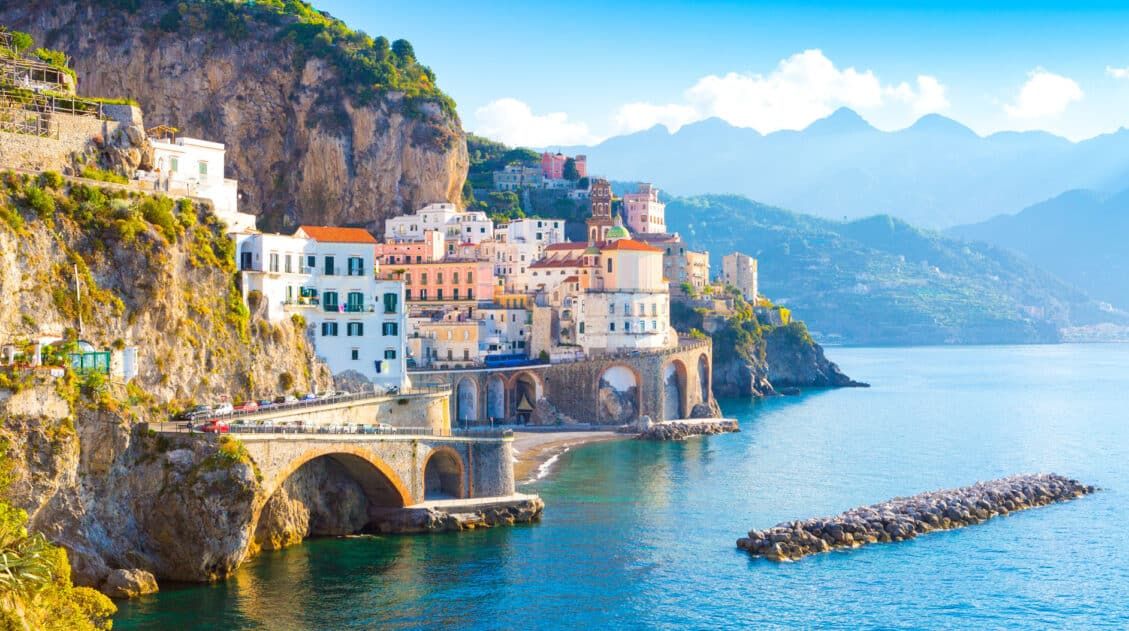
Dotting the dramatic coastal cliffs of the Amalfi Coast are small, colorful towns that are a delight to explore. Positano, Amalfi, and Ravello are some of the most famous, but some of the smaller, less known towns, such as Tramonti and Nerano, are well worth some of your precious time. In this guide, we list […]
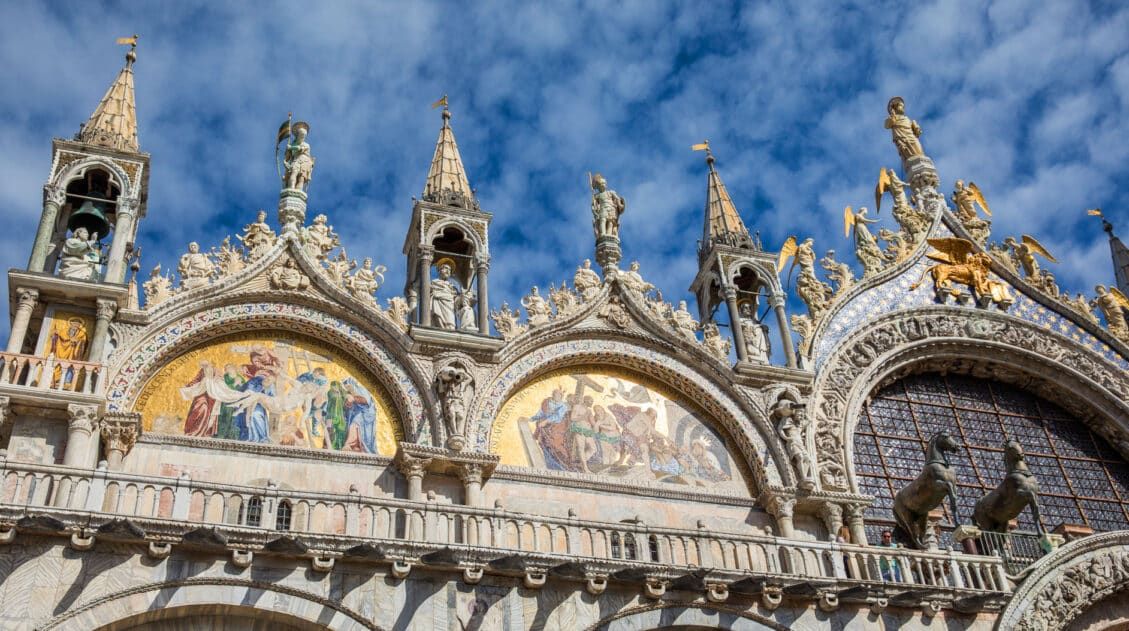
How to Visit St. Mark’s Basilica in 2026 & Skip the Line
St. Mark’s Basilica is one of Venice’s top attractions. With its glittering golden mosaics, majestic domes, and blend of Byzantine, Gothic, and Renaissance architecture, this iconic landmark is a must-see on a visit to Venice. Lines can be legendary to visit this ornately beautiful cathedral. With several different tours and tickets to choose from, […]
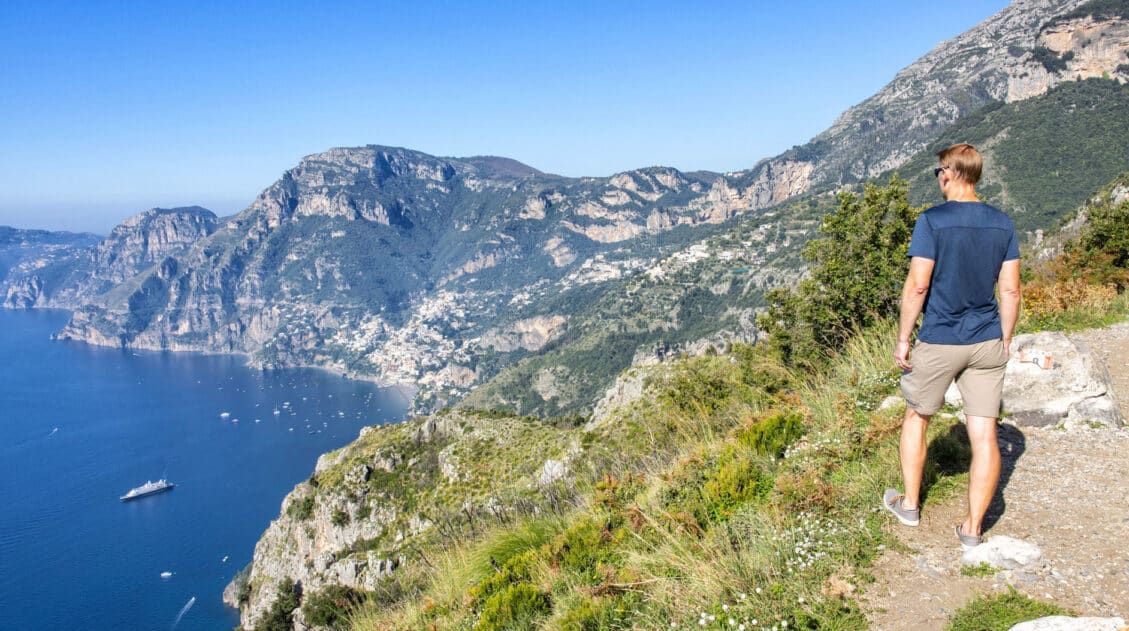
Path of the Gods: The Most Beautiful Hike on the Amalfi Coast
Located high above the coastal towns of Positano and Praiano, the Path of the Gods, known in Italian as the Sentiero degli Dei, is one of the most beautiful walks in Italy. This is the most popular hike on the Amalfi Coast, and it’s famous for its jaw-dropping views over Positano and the Sorrento Peninsula. […]
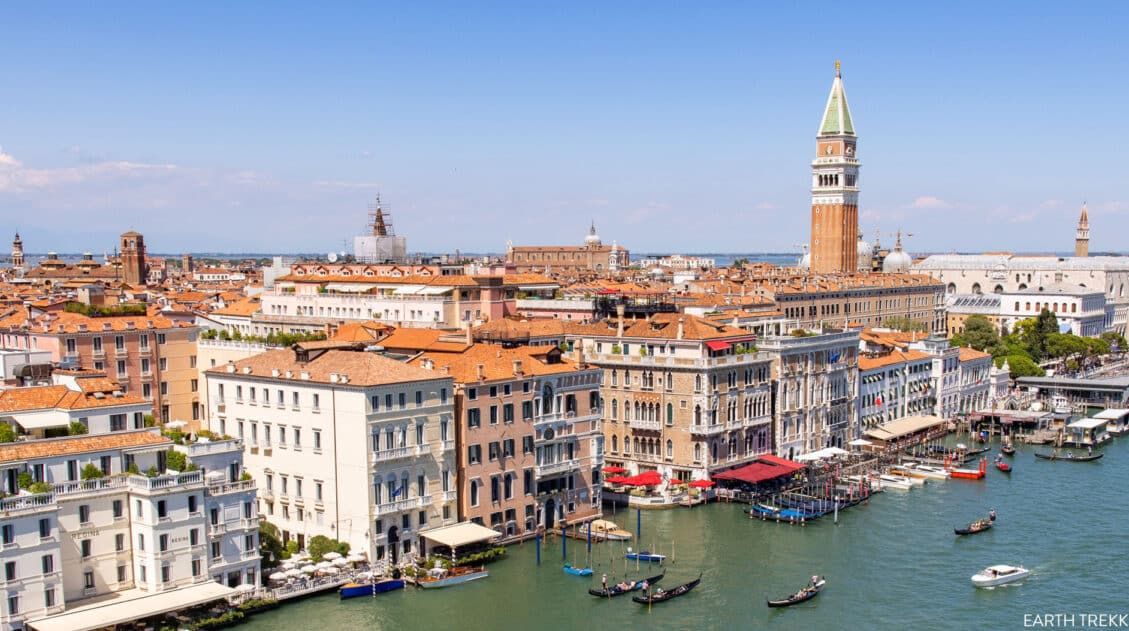
Venice Bucket List: 20 Amazing Things to Do in Venice, Italy
Venice is one of our favorite spots in Italy. With its winding canals, stunning architecture, and rich history, Venice is one of the most enchanting cities in the world. It is also small and compact, perfect to be explored with just a few days’ time. In this guide, we’ll take you through the absolute best things […]
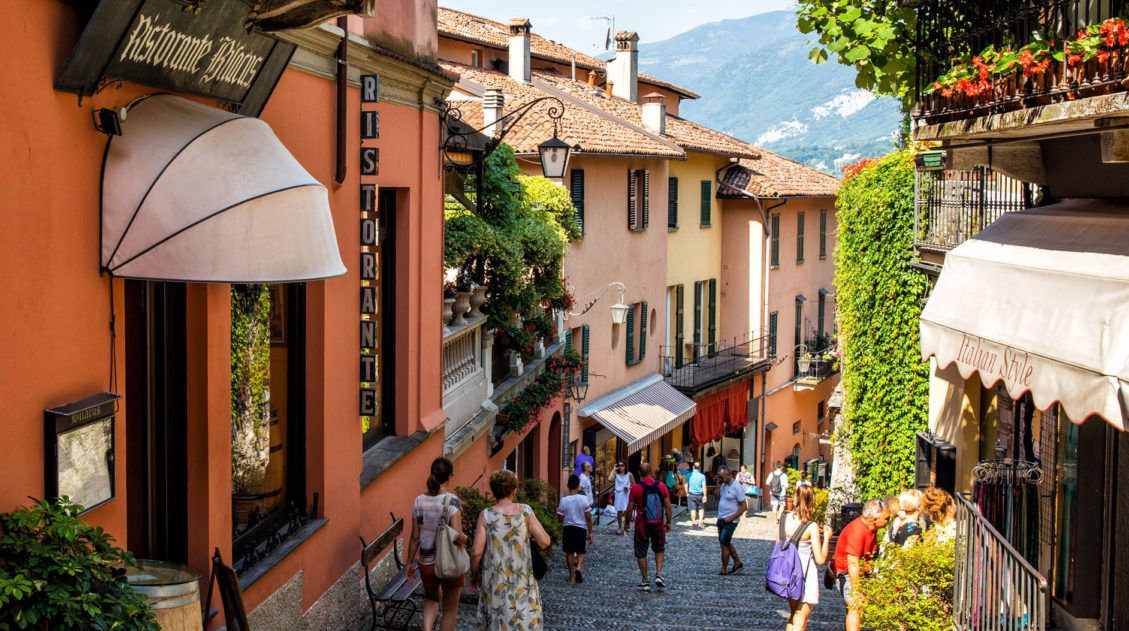
10 Best Things to Do in Bellagio, Italy (+ Map & Video)
Bellagio is the most famous town on Lake Como, a postcard-perfect mix of colorful streets, scenic lakeside vistas, and historic villas. If you’re planning a visit, here are the best things to do in Bellagio, plus tips to make the most of your time. Bellagio is often called the Pearl of Lake Como, and after […]
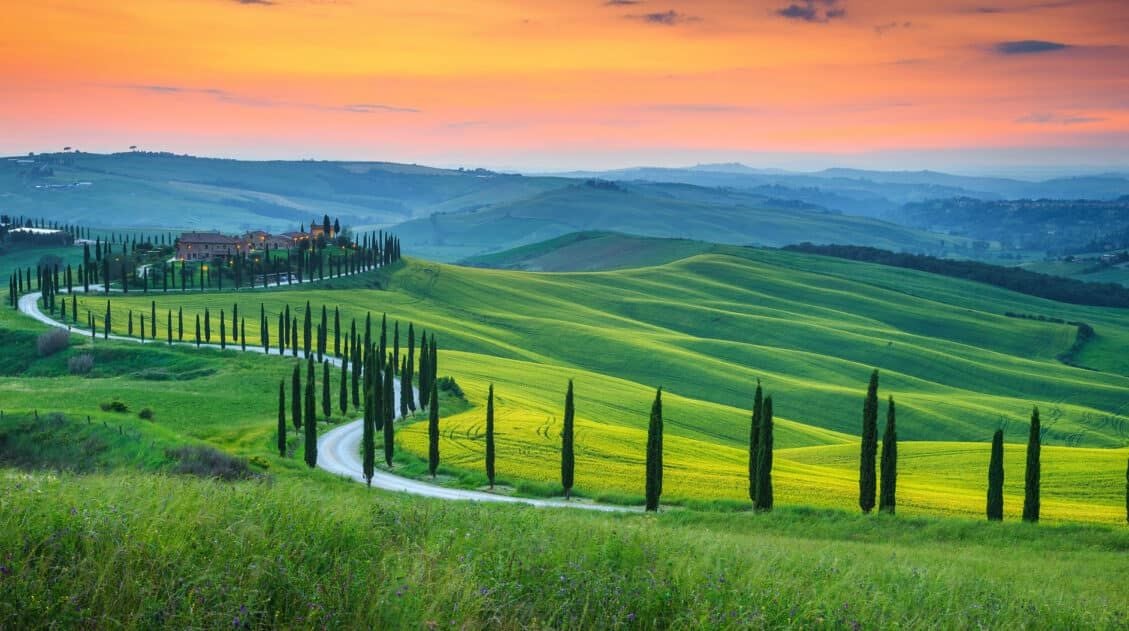
24 Best Things to Do in Tuscany, Italy: Cities, Hill Towns & Hidden Gems
From world-famous cities like Florence and Siena to quiet hill towns and scenic drives through vineyard-covered hills, Tuscany offers a wide range of experiences, but deciding what to do (and what to skip) can be overwhelming. We’ve explored Tuscany on two very different trips: a one-week highlights tour with our kids and a longer 10-day […]
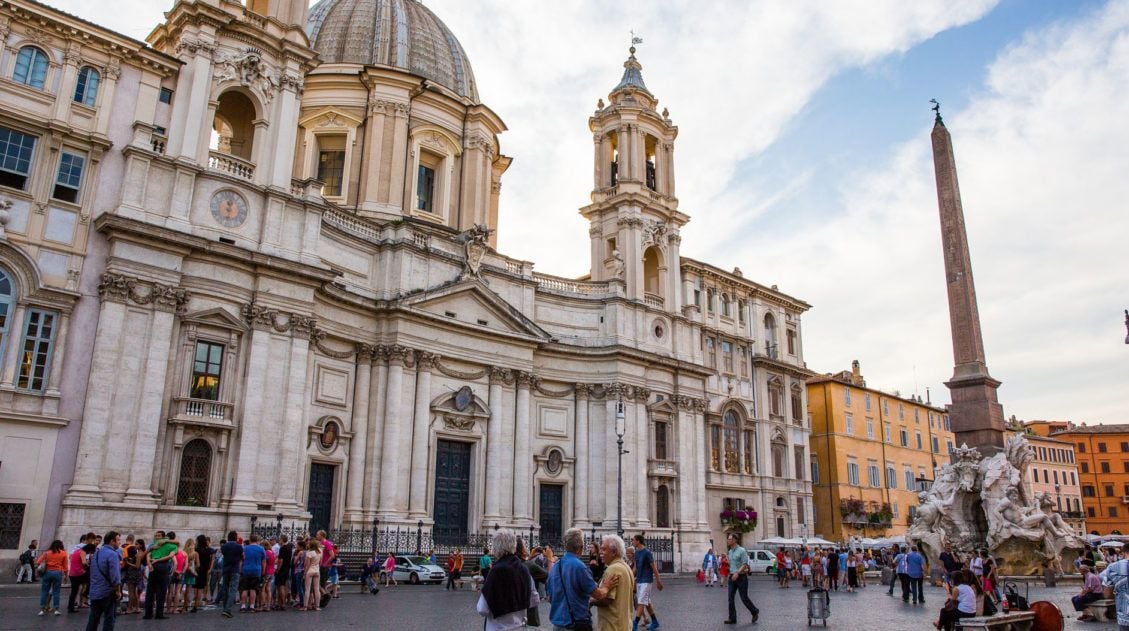
2 Days in Rome: The Perfect Rome Itinerary for Your First Visit
If you are planning your first visit to Rome and have limited time, this Rome itinerary is perfect for you. With 2 days in Rome, you have just enough time to visit the highlights. Tour the Vatican Museums, enjoy the amazing view from St. Peter’s Basilica, marvel at the Colosseum, get a history lesson at […]
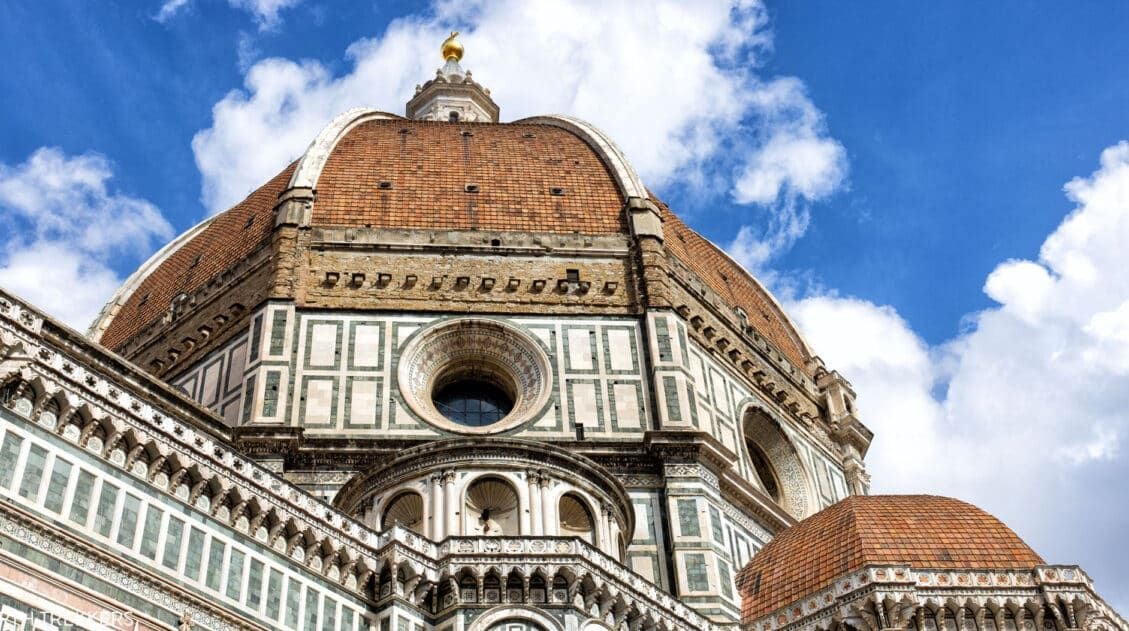
Florence Bucket List: 30 Best Things to Do in Florence
Home to the amazing Uffizi Gallery and Michelangelo’s David, famous piazzas and historic bridges, towers to climb, and of course, the Duomo, there are many wonderful things to do in Florence. Florence is a relatively small, compact city but there is a lot to do here. To get to everything on this list, it would […]
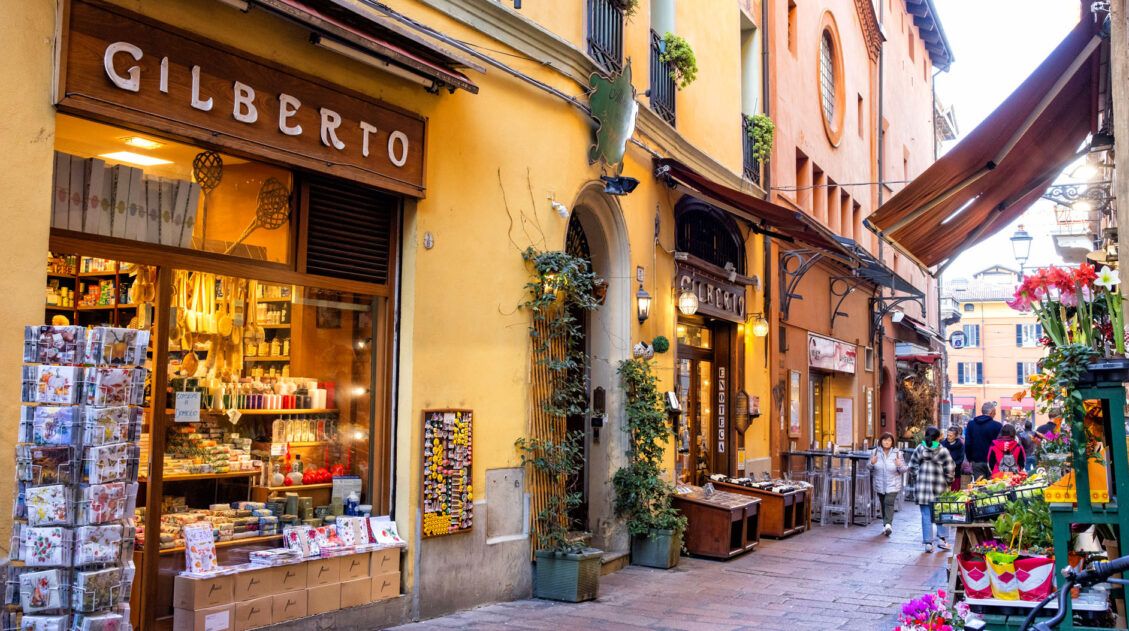
1 to 2 Days in Bologna: The Best Itinerary for First Timers
Bologna didn’t make it onto our Italy itinerary until our sixth trip. We’d visited Rome, Florence, Venice, the Amalfi Coast, Tuscany, and the Dolomites, and somehow kept skipping over this city in northern Italy. Once we finally arrived, Tim and I were instantly captivated: the busy, bustling Quadrilatero with its wine bars and shops overflowing […]
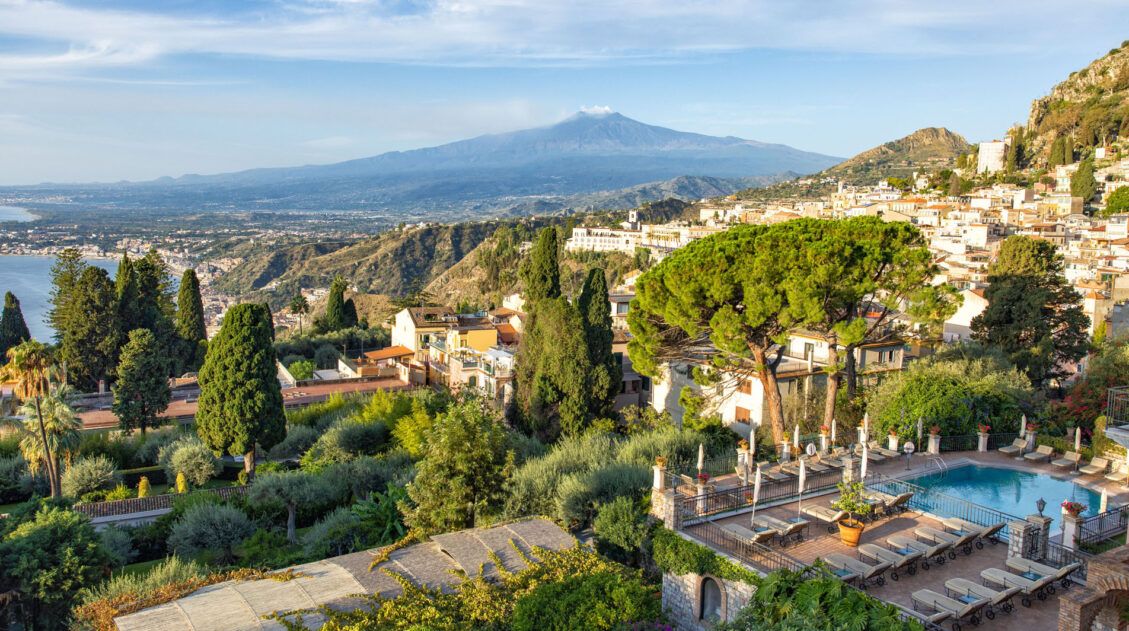
12 Wonderful Things to Do in Taormina, Sicily
Taormina, with its cliffside setting, rocky beaches, ancient Greek theater, picturesque streets, and panoramic views of Mount Etna, is one of the most beautiful cities in Sicily. Strolling its streets, exploring the public garden, visiting lovely Isola Bella, and climbing the steps up to Castello di Taormina are all top things to do in Taormina, […]

Header photo credit: shutterstock.com/Vladimir Sazonov

Comments 360